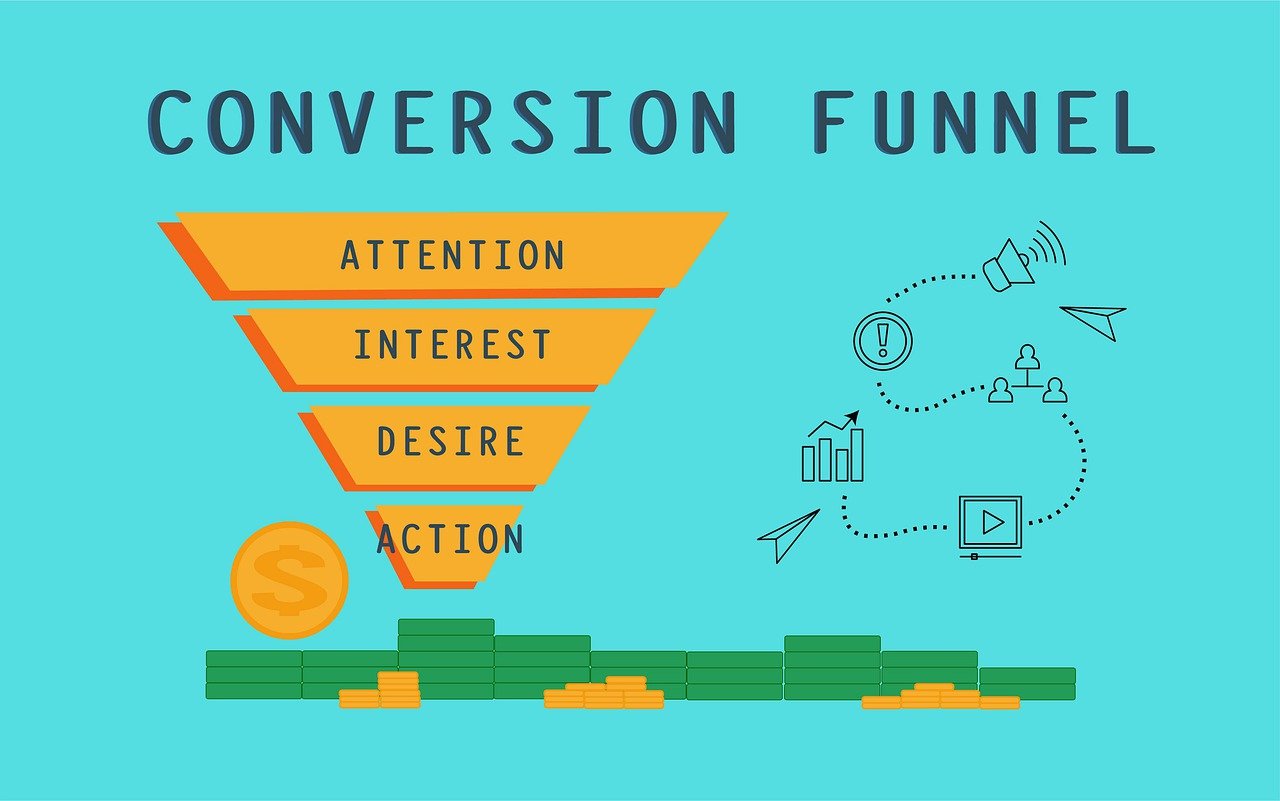

Segmenting Audiences for Enhanced Funnel Performance Using Analytics
Data-driven marketing utilizes analytics to refine how businesses engage their audiences, enhancing the performance of marketing funnels. Segmenting audiences effectively is crucial, enabling marketers to personalize communications and offers at various stages, which strengthens customer relationships. By leveraging data analytics, marketers can identify distinct audience segments based on behaviors, demographics, and interests, thus tailoring marketing strategies to each segment’s needs. To implement audience segmentation successfully, businesses must collect relevant data, ensuring they steer efforts in the right direction. Utilizing tools like Google Analytics and CRM systems allows for informed decisions, guiding marketers on where to focus their strategies. In conjunction with these tools, A/B testing provides real-time insights into what resonates with different segments. The resulting data unveils patterns and preferences, helping refine marketing efforts. Segmenting audiences leads to personalized customer journeys, fostering higher conversion rates. Marketers must continually revisit their segmentation strategies to adapt to shifting consumer behaviors and market conditions. Regularly updating data ensures that audience insights remain relevant, thus maintaining the effectiveness of marketing efforts. This proactive approach is essential in today’s fast-paced digital landscape, ensuring sustained engagement and improved funnel performance.
Another key aspect in understanding audience segments involves analyzing customer journeys across the funnel. By closely monitoring how different segments interact with marketing initiatives, businesses can pinpoint areas that require optimization. For instance, a segment demonstrating a high drop-off rate at a particular funnel stage can indicate the need for improved messaging or offers tailored to that audience’s preferences. Additionally, segment-specific performance metrics help marketers differentiate between high and low-performing segments, allowing emphasis on areas that yield better results. Incorporating advanced analytics tools also aids in gaining deeper insights into customer behaviors that influence overall funnel performance. Surveys and feedback mechanisms are invaluable, granting direct insight from customers on their experiences within the funnel. However, maintaining a blend of qualitative and quantitative data interpretations allows for a more robust understanding of customer needs. Engaging with audience segments creatively, through personalized emails, targeted ads, or social media interactions, enhances engagement levels through tailored experiences. Ultimately, this approach significantly improves overall marketing effectiveness. Brands should further ensure that the marketing messages resonate strongly with each audience segment across varying channels, crafting compelling narratives that enhance engagement and loyalty.
Utilizing Multichannel Strategies
Today’s consumers engage with brands through multiple channels, making it essential for marketers to adopt multichannel strategies. Using a unified approach that considers each segment’s preferred channels can significantly improve funnel performance. By analyzing data, brands can detect which channels segments prefer, facilitating tailored content distribution that enhances the customer experience. For example, younger audiences may favor social media interactions, while older demographics may respond better to email newsletters. Deploying analytic tools to track engagement with different channels enables marketers to adjust their strategies, optimizing campaign effectiveness and reaching audiences where they are most active. Moreover, successfully connecting messages across varied touchpoints increases brand recognition, fostering stronger relationships with customers. Seamless customer experiences, where transitions between channels are fluid, encourage deeper engagement throughout the funnel. A great method for achieving this involves integrating branded communications across all platforms, ensuring consistent messaging that strengthens brand identity. Diving into performance metrics across channels allows businesses to allocate resources efficiently, focusing efforts on high-performing strategies. Continuous monitoring of segment behaviors while utilizing multichannel approaches keeps marketing relevant and impactful, ultimately paving the way for enhanced conversion rates.
Furthermore, understanding audience segments facilitates the development of relevant content that resonates with each unique group. Content marketing plays a critical role in guiding prospects through the funnel, making it imperative to align content types with audience preferences. For instance, while one segment may prefer in-depth articles, another may engage better with short videos or infographics. Data analytics can aid in identifying which content formats perform best among specific segments. By tailoring content accordingly, marketers can ensure maximum engagement, leading to improved brand affinity and loyalty. Moreover, utilizing storytelling techniques can enrich content relevance, drawing emotional connections that motivate prospects to progress through the funnel. Regularly updating content strategies in response to evolving segment behaviors ensures that marketing efforts remain fresh and engaging. Implementing a feedback loop allows continuous optimization of content based on user interactions and feedback. Moreover, fostering a community around brand content encourages loyal engagement whose results can further inform content strategies. This seamless connection between audience insights and content creation is essential for advancing marketing funnel objectives and enhancing overall performance metrics.
Advanced Tools for Enhanced Insights
Modern analytics tools provide comprehensive insights necessary for effective segmenting. Platforms such as Google Analytics, HubSpot, and others are invaluable for tracking user interactions throughout the marketing funnel. Utilizing these tools enables businesses to gather extensive data on how audiences engage with their campaigns, shedding light on demographic information and user behaviors. Advanced analytics features, like predictive modeling, can even forecast future behaviors, enabling marketers to proactively adjust strategies for different segments. These insights allow for effective customization of messaging, ensuring that promotions align with what resonates most. Moreover, by integrating machine learning, businesses can refine their segmentation further, identifying new patterns and trends beyond basic demographics. This level of analysis empowers brands to stay ahead, continually adapting their marketing efforts. As marketers implement insights derived from advanced tools, they can optimize conversion paths, creating smoother transitions from prospects to loyal customers. Furthermore, data visualization aspects help decipher complex data—rendering insights into easily understandable formats for strategic decision-making. Continual evolution driven by analysis is essential for maximizing funnel performance across target segments, ultimately optimizing return on marketing investment.
As segments shift, businesses must remain agile, prepared to adapt strategies quickly to meet changing customer needs. Regularly revisiting data analytics assists in understanding any emerging segments based on recent trends. The ability to pivot and refine marketing efforts promptly ensures continued relevance, maintaining engagement among target audiences. An agile approach involves fostering a culture of testing and learning within marketing teams, where experimentation becomes the norm. Encouraging team members to test various strategies with different segments cultivates innovation, revealing unique insights that enhance performance. This continuous iterative process generates valuable feedback, fostering a robust understanding of audience preferences. Moreover, collaborating with other departments, such as sales and customer support, provides a well-rounded perspective on customer journey challenges. Integrating cross-departmental insights leads to more comprehensive solutions that address audience needs throughout the funnel. Eventually, this aligns the overarching business objectives with audience insights, optimizing campaign development for success. Driving conversion through a clear understanding of evolving segments strengthens overall marketing strategies, maximizing impact within the competitive landscape.
Measuring Success and Impact
Measuring the success of segmented marketing strategies requires establishing relevant KPIs aligned with business goals. Metrics such as conversion rates, engagement levels, and customer retention rates serve as essential indicators of performance across segments. Regularly analyzing these KPIs helps marketers determine how effectively their strategies resonate with audience segments. Utilizing dashboards for real-time tracking provides immediate insights into campaign performance, enabling quicker adjustments as needed. Furthermore, linking data sources provides a comprehensive view of customer interactions, allowing marketers to assess how different segments respond to various approaches. Understanding the interplay between different KPIs and segment behaviors ensures that marketing efforts are not only effective but also sustainable. Additionally, feedback mechanisms, such as customer satisfaction surveys, can reveal deeper insights that quantifiable data alone may not capture. Evaluating qualitative and quantitative data collectively affords a nuanced perspective that drives future marketing enhancements. Ultimately, the successful implementation of segmented strategies hinges on the business’s ability to act on data effectively, ensuring continuous improvement of marketing efforts, and subsequent funnel performance.
The journey toward effective audience segmentation is an ongoing process, requiring businesses to foster a data-driven culture. Everyone within the organization must embrace analytics as a core component of their marketing strategy. Educating teams on the importance of data-driven decisions enhances overall effectiveness, empowering them to harness analytics to influence outcomes positively. Moreover, collaboration among different departments enhances audience insight, leading to innovative strategies that elevate performance across the funnel. Developing a centralized data repository promotes synergy in understanding audience segmentation, amplifying each segment’s unique needs. Training sessions and workshops around data utilization create a proactive environment where marketing professionals can share best practices and insights. This culture of learning propels businesses toward creating highly targeted campaigns that resonate with diverse audiences. Further, it strengthens overall engagement, ultimately translating to improved brand loyalty among segmented customers. Particularly in rapidly changing markets, possessing a deep understanding of audience segments, driven by consistent data analysis, can distinguish brands from the competition. The commitment to ongoing learning and adaptation positions businesses for sustained success in their marketing funnel ventures.