
Emerging Technologies to Improve Mobile Data Security
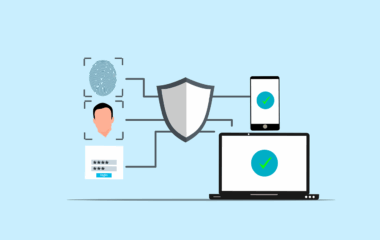
As mobile devices become a primary means of communication and transaction, ensuring data security is crucial. With the rise of cyber threats, emerging technologies like Artificial Intelligence (AI) and machine learning are revolutionizing mobile data security. These technologies enhance systems by analyzing user behavior, detecting anomalies, and predicting potential breaches. By leveraging big data analytics, organizations can identify vulnerabilities that may compromise security, thereby preventing unauthorized access. Blockchain technology also offers innovative solutions, ensuring data integrity and enhancing privacy. Secure transaction records and decentralized data storage improve trust between businesses and users. Additionally, the integration of biometric authentication methods provides a more secure access process, making it harder for unauthorized users to breach devices. Biometric solutions include fingerprint scanners, facial recognition, and voice recognition technology. Collectively, these innovations are helping create a safer environment for mobile users. Future developments promise even more robust security mechanisms that proactively respond to threats and protect sensitive information. Overall, embracing these technologies is imperative for businesses and consumers to maintain confidence and security in an increasingly digital world.
Continuing with innovative solutions, cloud security is a crucial tech influencing mobile data security. By utilizing cloud encryption, businesses secure data storage by making information readable only to those with appropriate keys. This eliminates unauthorized access, ensuring data privacy. Multi-factor authentication (MFA) serves as an additional layer of security, requiring users to provide multiple verification factors to gain access to their accounts. Hence, even if a password is compromised, additional barriers protect sensitive data. Emerging technologies like secure access service edge (SASE) provide integrated security functionality while simplifying network architecture. With SASE, data protection becomes comprehensive, combining various security services into a unified solution. The rise of privacy-oriented applications also showcases how businesses are prioritizing user data protection. By developing features that minimize data storage and enhance encryption, companies cultivate consumer trust. Innovations in end-to-end encryption further strengthen communications, ensuring that only intended parties can access sensitive information. Furthermore, enhancing data visibility is essential; tools that monitor data access can identify and address potential vulnerabilities promptly. Adopting these strategies contributes to a more secure mobile platform amidst increasing cyber threats.
Artificial Intelligence and Machine Learning
Artificial intelligence (AI) plays an essential role in enhancing mobile data security. By automatically identifying patterns in user behavior, AI can flag unusual activities that may indicate a security breach. Machine learning algorithms can adapt over time and become more effective at detecting various threats, ensuring that organizations stay ahead of cybercriminals. Additionally, AI-driven cybersecurity solutions can predict potential threats based on historical data and user interactions, thereby enhancing proactive defense mechanisms. These systems can react swiftly to prevent attacks, minimizing data leaks and potential damages. Furthermore, integrating AI into security solutions enables continuous monitoring and auditing of user activities to flag suspicious behavior reactively. This real-time observation helps avert breaches before they escalate, significantly boosting an organization’s security posture. Coupled with advanced encryption techniques, AI fortifies data protection in mobile environments, ensuring sensitive information remains secure. Investing in AI-enabled security technologies is crucial, as they provide adaptable and robust defenses that traditional systems struggle to offer, and help ensure compliance with evolving regulations regarding data protection. Therefore, it’s crucial for companies to focus on AI-driven strategies that enhance mobile data security.
Advancements in edge computing also contribute to robust mobile data security solutions. By processing data closer to the source, edge computing minimizes latency and reduces risks associated with sending sensitive information over the internet. This means sensitive information remains local on the device, providing greater control over data privacy. Coupled with mobile device management (MDM) solutions, businesses can enforce specific security policies that ensure compliance and secure data across all mobile devices. Additionally, MDM allows for remote monitoring and management of devices, ensuring quick responses to potential security threats. The implementation of zero-trust security frameworks ensures that every user, device, and application accessing the mobile ecosystem is authenticated and verified, minimizing the chances of unauthorized access. By leveraging software-defined perimeter architectures, organizations can create access controls that limit data exposure. Innovative technologies like transparent data encryption enable automatic encryption during data transfer and storage, enhancing overall security. Furthermore, the role of user education and awareness cannot be underestimated; fostering a security-aware culture helps minimize human errors that could lead to security breaches. Encouraging best practices among users is fundamental for comprehensive security.
Blockchain Technology in Mobile Security
Blockchain technology presents unique opportunities for enhancing mobile data security. By providing decentralized environments, blockchain reduces the risk of data manipulation and cyberattacks, as data stored across multiple nodes cannot be easily altered. Moreover, blockchain ensures data integrity and authenticity, which is especially important in sectors like finance and healthcare that handle sensitive information. The introduction of smart contracts facilitates automatic security measures for transactions, ensuring that data is only shared among authorized parties. Furthermore, blockchain’s transparent nature enables traceability of data access and modifications. Organizations can find it easier to fulfill compliance requirements, assuring customers about their data safety. Integrating blockchain with mobile applications encourages user trust significantly. Companies leveraging blockchain for data management show their commitment to privacy and security. This fosters long-term relationships with customers, offering competitive advantages. Adoption of these technologies is notably growing across various sectors, indicating a shift towards prioritizing security. As companies invest in blockchain, the prospects for improved mobile data security become more substantial. Enhanced security through immutable records and decentralized data controls provides confidence for both users and businesses navigating the mobile landscape.
In addition, privacy-focused mobile applications are gaining popularity, pushing innovations in data protection further. These applications prioritize user privacy by minimizing data collection to only what is necessary. Offering features like temporary data storage and self-destructing messages, they help users maintain control over their information. Moreover, employing end-to-end encryption in messaging platforms ensures that only intended recipients can access the content. This approach drastically reduces the risk of data being intercepted by unauthorized parties. Additionally, privacy by design principles enable developers to create applications that inherently prioritize security. Adopting these principles early in the development process helps mitigate vulnerabilities appearing later. Furthermore, ongoing updates and bug fixes ensure that applications remain resilient against new threats. Collaboration between app developers and cybersecurity experts results in enhanced security solutions capable of addressing unforeseen challenges. As consumer demand for privacy-centric applications increases, developers are incentivized to innovate continuously. This competition drives better data protection standards across the industry. Therefore, embracing privacy-enhancing applications is vital for users seeking to safeguard their mobile information amid rising cyber threats.
Future Trends in Mobile Data Security
Looking towards the future, mobile data security will continue evolving, driven by technology advances to combat emerging threats. Trends include the integration of Artificial Intelligence and machine learning, which will enhance security protocols and foster a proactive defense strategy. As threats become more sophisticated, organizations must remain vigilant and adapt to changing variables. Other notable trends encompass increasing adoption of biometric technologies, elevating security defenses in a user-friendly manner. As biometric recognition becomes commonplace, it is essential to ensure systems remain user-friendly without sacrificing security. Additionally, the proliferation of 5G networks offers faster and more responsive communication channels, creating both opportunities and risks for data transmission. A heightened focus on compliance with international data protection laws, like GDPR, will ensure organizations prioritize user privacy. Data minimization practices will gain momentum, allowing users to control precisely what information they share. Furthermore, education will serve as a linchpin in maintaining data security integrity. By combining technological advancements, regulatory compliance, and user awareness, mobile data security will evolve to maintain trust in the digital economy. Ultimately, businesses willing to invest in security solutions today will be better positioned for success tomorrow.
In conclusion, the landscape of mobile data security is advancing rapidly as emerging technologies reshape our understanding of secure communications. By embracing AI, machine learning, blockchain, and biometric technologies, organizations can fortify their defenses against evolving cyber threats. In a time when data breaches are becoming increasingly commonplace, prioritizing security is not only a necessity but a commitment to users and stakeholders alike. As we forge ahead, companies that actively seek to adopt and implement innovative security measures will win consumer confidence and loyalty. Therefore, embedding privacy by design within every step of app development, from concept to deployment, significantly mitigates risks. Moreover, educating users about mobile security practices will help foster a culture of vigilance, reducing the likelihood of breaches resulting from human error. Addressing data security proactively will be vital as cyber threats grow more sophisticated. Moreover, cultivating consents for transparent data use will empower users and build stronger bonds between individuals and brands. Investing in robust mobile data security practices now will help shape a more secure digital landscape in the future. The ongoing race against cyber adversaries demands strategic foresight, necessitating collaboration between industry players.