
Segmenting Your Audience for Effective Event Email Marketing
Event marketing hinges on effective communication with the right audience. Email marketing is an essential tool for this. By segmenting your audience, you can tailor messages that resonate deeply with specific groups. This fosters engagement and enhances the likelihood of responses. Begin by analyzing your current email list. Identify common characteristics among your contacts, such as demographics, interests, and previous interactions. This data aids in creating meaningful segments. For instance, you could categorize attendees by their past event participation or their expressed interests. Each segment will respond differently to various content. Customizing your emails for each audience segment can remarkably increase your open and click-through rates. Utilize tools like email marketing software, which can assist in automating this process. Ensure your messages are designed specifically for the audience’s needs, preferences, and statuses. It’s crucial to craft compelling subject lines and content that speak directly to the recipients. This personalized approach establishes a connection and adds value to the audience experience. Effective segmentation not only improves engagement but also helps in achieving overarching event marketing goals.
After establishing audience segments, it’s time to create targeted content for each group. This involves developing unique messaging that addresses the specific interests and needs of each segment. Start by outlining the objectives for each group. Consider what you want them to learn, feel, or do upon receiving your email. Include relevant information, promotional offers, and event specifics that will appeal to each segment. For example, if you are hosting a tech conference, your emails could include updates on speakers, networking opportunities, and sessions tailored for tech enthusiasts. Utilize visuals such as images or graphics that resonate with the targeted audience. Incorporating engaging material helps capture attention and encourages action. For more effective results, A/B test your emails. This process allows you to determine which content performs better for specific segments. Additionally, pay attention to metrics like open rates, click-through rates, and conversion rates for each campaign. Gather insights from these statistics to refine your future email marketing strategies, ensuring they remain effective and relevant to all audience categories.
Utilizing Data to Enhance Engagement
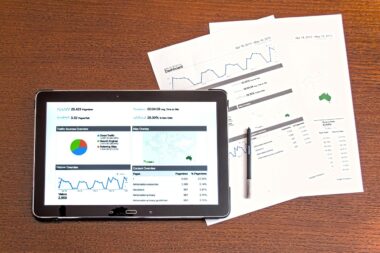
Data plays a pivotal role in refining your event email marketing strategies. Beyond basic demographic information, consider using engagement metrics derived from previous campaigns. This includes tracking how recipients interacted with prior emails, their timelines for opening messages, and which segments exhibited the highest click rates. Analytics provide invaluable insights into audience preferences. Are there specific topics or formats that tend to generate more interest? By examining these patterns, you can enhance future communications to align with audience expectations. Furthermore, analyze factors such as location, as it can influence attendance and engagement. Tailor invitations based on local events or specific interests unique to that region. Recognizing seasonal trends is equally important—timing your emails right can make a significant impact. Sending messages during peak engagement periods increases the likelihood that your audience will take action. When you leverage data wisely, you can refine your targeting criteria, boost your engagement rates, and ultimately improve attendance rates for your events. Continue gathering data post-event as well, leaning into the information gathered for future marketing and event planning.
Another essential aspect to consider in email segmentation for events is the lifecycle stage of each recipient. This means understanding where your contacts currently stand in relation to your events. Are they new leads, past attendees, or engaged customers? Different stages of the customer lifecycle necessitate different messages. New leads may require more introductory content about your event, while past attendees might appreciate reminders, special access, or loyalty rewards. Craft messages that acknowledge their journey with your events thus far, and lead them toward their next steps. Utilize personalized greetings and relevant suggestions based on their previous behaviors. For instance, a past attendee interested in specific session topics should receive tailored updates about tools and knowledge. By focusing on their unique lifecycle stage, you can enhance the experience for every recipient. It creates a sense of value and inclusion that nurtures relationships over time. Building continuous engagement through well-structured emails ultimately comprises the foundation of effective event marketing that transcends beyond individual interactions, fostering deeper connections and retention.
The Importance of Follow-Up Campaigns
Once your event concludes, the email communication shouldn’t just end; rather, it should evolve. Follow-up campaigns serve as a critical aspect of post-event engagement. These emails can be instrumental in expressing gratitude to attendees while gathering feedback on their experiences, which is vital for future improvements. Utilize this opportunity to send personalized thank-you notes that reference specific sessions or interactions. This personal touch goes a long way in fostering a lasting relationship with attendees. Consider also sending out surveys or feedback forms, as their responses can inform your planning for subsequent events. Including a call to action to follow your brand on social media or visit your website can extend the audience’s engagement. Make sure to segment these follow-ups based on the attendees’ previous interactions and interests, thereby ensuring that the content remains relevant. A bonus is sharing recaps or highlight videos from the event; these elements help keep the excitement alive. Ensure the follow-up emails encourage attendees to stay tuned for upcoming events, creating a sense of continuity and anticipation.
Moreover, integrating social proof through testimonials or case studies in your follow-up emails can amplify your marketing efforts significantly. When past attendees share their positive experiences, it builds trust and credibility for future events. Consider showcasing quotes or success stories directly in your post-event communications. This can motivate future attendees and encourage past attendees to return. Images from the event can also make emails more visually appealing and engaging. Remember to include links to more extensive content, like blog posts or video recaps, that detail the overall impact of your event. Highlight any networking opportunities or collaborations sparked during the event, as this can show the value of attendance. Additionally, utilize your email lists to cross-promote upcoming events, particularly those that align with your audience’s interests. In this way, leverage the momentum created by the initial event. This strategy not only nurtures the relationship established with your audience but also works towards creating an engaged community around your events.
Continuously Refining Your Strategy
As with any marketing approach, continuously refining your email segmentation strategy is paramount. Regularly assess the performance of your email campaigns, seeking opportunities for improvements. A/B testing can be an effective method to evaluate varying strategies over time. Changes to elements like subject lines, sender names, and email layouts can yield different results across your audience segments. Gathering feedback from your audience also presents an excellent way to inform your ongoing strategy. Conduct surveys to discover what recipients appreciated in your email communications and what they would like to see improved. Staying responsive to their feedback fosters loyalty and trust. Moreover, incorporate new trends in email marketing, like interactive content or personalization techniques, which can engage your audience differently. Evolving your email strategy as technology advances and recipient expectations change keeps your communications fresh and relevant. Collaboration with your marketing team and regular training on updated tools and techniques may also be beneficial. Ultimately, a commitment to continuous enhancement will lead to improved outcomes with your event email marketing efforts.
In conclusion, effective email marketing for events relies heavily on robust audience segmentation. This process entails understanding your audience deeply and tailoring communications to resonate with diverse segments. Each communication aims to deliver valuable, relevant content that inspires action. Segmentation allows marketers to generate personalized emails that can lead to strong engagement, successful event attendance, and lasting customer relationships. By leveraging data, lifecycle stages, and ongoing refinement, marketers can execute cohesive campaigns that foster a sense of community and expectation around events. Follow-up campaigns are equally crucial in maintaining this engagement, serving as a bridge between past and future events. Every email sent can enhance and strengthen connections, contributing significantly to the realm of event marketing. The result is an informed audience that feels valued; thus, they are more likely to return for future events. Commit to understanding your audience, testing your strategies, and remaining adaptable to their needs. It may take time, but the effort invested in segmentation, strategy refinement, and engagement will yield impressive results in the long run.