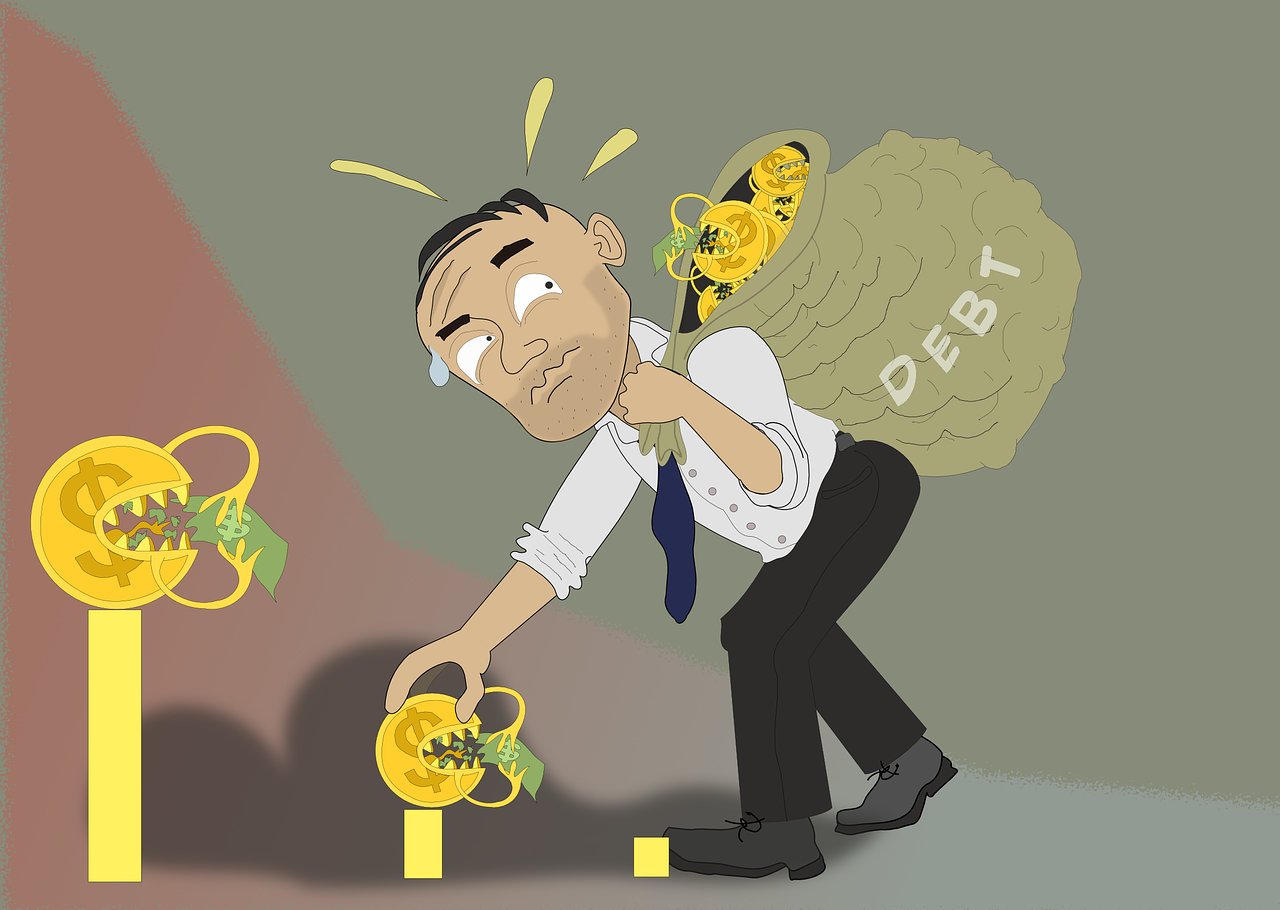

Emergency Debt Payment Tips to Avoid Default
Finding yourself in a financial pickle can be quite distressing, especially when unexpected expenses arise. It is vital to prioritize your expenses and identify which debts require immediate attention. Start by listing your debts and their due dates. This way, you can see which payments are coming up soon and which have some leeway. By understanding your obligations, you can devise a payment plan to manage them efficiently. Always ensure you pay the minimum on loans that may incur penalties if missed, thereby avoiding additional charges that will worsen your situation. Additionally, consider reaching out to your creditors and explaining your situation. Many lenders are willing to offer flexible payment options during emergencies. They understand that unexpected financial challenges can occur, and communication can lead to a reprieve. Remember, it’s better to be proactive and discuss your circumstances with creditors rather than ignoring your debts. Options such as repayment schedules or temporary payment suspensions are often viable paths to explore during these tough times. Staying informed and planning carefully can help you manage your debt more effectively during emergencies.
Another effective strategy to consider is seeking assistance from financial professionals who specialize in debt management. These individuals or organizations can provide invaluable advice tailored to your specific situation. They may offer resources such as budgeting tools or consolidation options that can help you streamline payments. Engaging with advisors can provide peace of mind, ensuring you are making informed decisions. Additionally, consider utilizing community resources such as non-profit organizations that can provide guidance and sometimes assist with negotiations with creditors. Many local community centers offer workshops that teach essential budgeting skills that could be instrumental in managing bills and debts. Investing time in these programs can equip you with better financial habits. If you find yourself overwhelmed, participating in a debt support group can also be beneficial. Learning from others who are facing similar challenges can offer emotional support and valuable insights into overcoming debts. Building a network of understanding can motivate you to stick to your repayment plan while reducing feelings of isolation during this difficult period of your financial life. Don’t hesitate to explore all available resources.
Create a Budget Plan
Creating a detailed budget is one of the strongest tools you possess in managing your finances during emergencies effectively. Start by tracking your income and all your expenses to see a clear picture of your financial situation. Utilizing budgeting apps can streamline this process and allow you to identify areas where you can reduce spending. Once you have an overview, categorize your expenses into needs and wants. Prioritize your essentials, such as food, housing, and utilities, ensuring these areas have sufficient funds. Then, look for discretionary spending that you can temporarily cut or reduce, such as dining out or subscription services. Allocating extra funds towards debt repayment can significantly improve your situation. Allocating a specific amount to your debts within your budget can prevent overspending and help you focus on alleviating your financial burden. Additionally, ensure your budget is flexible enough to accommodate unforeseen expenses, as emergencies often arise unexpectedly. Reviewing and adjusting your budget regularly will keep you aligned with your goals and priorities, enabling you to stay on track during your financial recovery.
Understanding the importance of timing and knowing which debts to address first can make a significant difference in your journey toward becoming debt-free. Prioritize debts with higher interest rates, as they will accumulate quicker and cost you more in the long term. Making minimum payments on lower-interest debts while directing extra funds toward more costly obligations can help minimize your overall financial impact. Research shows that focusing on high-interest debts can often lead to quicker financial recovery. As you pay down these larger debts, consider taking advantage of any temporary income increases or windfalls, such as tax refunds or bonuses, to make extra payments. These lump-sum payments can enable you to pay off your debts faster. Additionally, if you find it challenging to manage multiple payments, consider consolidating your debts. It simplifies the process into a single monthly payment, which can help you stay organized and reduce stress about missing due dates. Consolidation can be an effective strategy if managed well, allowing you to focus on regaining financial stability while keeping track of your debt obligations more manageable.
Negotiate with Creditors
Don’t shy away from negotiating with your creditors when facing financial difficulties. Most creditors understand that automatic payments might not be feasible during tough times. By communicating with them, you might find opportunities to lower your monthly payments, defer them, or even reduce the total amount owed. Many lenders would rather negotiate than risk you defaulting entirely. It’s essential to remain honest and transparent about your situation during this dialogue. Prepare necessary documentation, such as proof of income or unexpected expenses, to validate your requests. Additionally, consider asking for a temporary forbearance, allowing you some time to regain your footing. It can be a temporary solution to help ease financial pressure. Securing a lowered interest rate can also alleviate stress, making payments more manageable over time. Always ensure that you ask about potential impacts on your credit score when negotiating, as certain agreements can affect your future credit. Building rapport and demonstrating your commitment to resolving your debts can lead to favorable outcomes and can ease the burden of repayments while you’re getting back on your feet.
Moreover, consider using your existing assets wisely. This could refer to downsizing or liquidating non-essential items to generate extra cash for debt repayment. Selling items you no longer need can provide you with a quick cash influx, which can be allocated towards those pressing debts. Platforms like online marketplaces make it simple to sell various items, from clothing and electronics to collectibles. Understanding that every little bit helps is vital during this period. Additionally, if you have valuable assets, such as vehicles or properties, consider if they can be leveraged responsibly. You might explore options like taking out a secured loan against them – just be cautious and fully understanding the implications. Opting for short-term loans should be assessed against your repayment capability and potential risks. Creating an emergency fund, even if it’s small, can also provide a buffer in case of unexpected expenses that arise during your repayment period. A focused approach towards managing your assets while concurrently repaying your debt can significantly improve your financial security.
Emotional & Mental Health Awareness
Addressing debt doesn’t only involve financial steps but emotional and mental wellness as well. Financial challenges often lead to stress, anxiety, and other mental health issues. It is vital to acknowledge these feelings and understand the significance of self-care during this challenging time. Stress can lead to poor decision-making, making it harder to stay organized and focused on your financial recovery. Regularly engaging in self-care activities, such as exercise, meditation, or spending time with loved ones, can improve your coping ability. If necessary, consider speaking to a professional for guidance, whether that’s a counselor specializing in financial stress or an overall wellness coach. Sharing your feelings with friends or joining support groups can also alleviate feelings of isolation, providing you with networks of support. Emotional strength during financial hardships can empower you to remain steadfast in your repayment journey. Set small, achievable goals related to both emotional well-being and finances to help keep your progress balanced. Remember, small steps lead to significant changes, and recognizing your achievements is vital for maintaining motivation.
In summary, navigating emergency debt situations requires a combination of structured financial planning and emotional management. Begin by organizing your expenses and creating a prioritized budget that allocates funds appropriately towards essential payments. Utilize available resources, negotiate with creditors, and consider professional help when necessary. Developing strategies to address both your finances and emotional health will empower you to tackle your debts effectively. Engage in community resources and workshops, as these are avenues for learning how to manage debt wisely. Establishing an open line of communication with creditors can lead to more manageable payment plans that work for your situation. Furthermore, understanding the importance of timing regarding debt payments can significantly ease your career trajectory towards a healthier financial future. Lastly, remember the importance of self-care in this journey; maintaining emotional well-being supports your financial decisions. A balanced approach addressing both financial clarity and emotional resilience will set you up for long-term success and help you emerge from your financial challenges stronger than before.