
Understanding Customer Journey Mapping in Direct Marketing
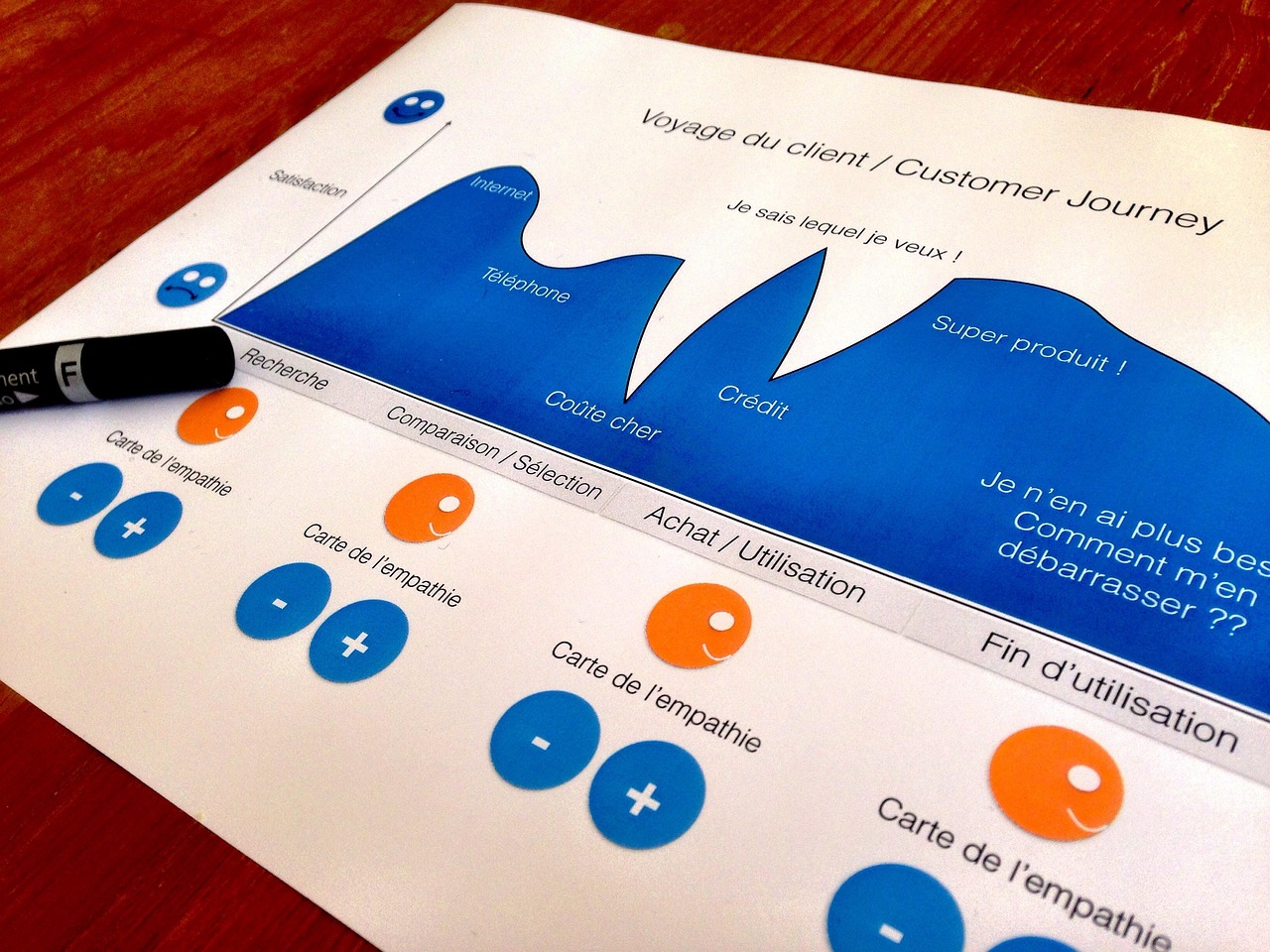
Customer journey mapping is a crucial technique in direct marketing that illustrates the path consumers take toward making a purchase. This visual representation captures each step customers experience, starting from initial awareness through to post-purchase evaluation. Not only does it facilitate a better understanding of customer behavior, but it also identifies specific touchpoints at which brands can engage effectively. Each stage of the journey provides insights into customer motivations and challenges, which can be pivotal in crafting successful marketing strategies. Businesses can tailor their communications and services to meet customer needs at every point. Additionally, journey maps can pinpoint areas of friction, allowing companies to address pain points. With a well-structured map, marketers can drive personalized experiences that enhance customer satisfaction. In a competitive landscape, leveraging customer journey mapping can significantly boost conversion rates and customer retention. To implement effective journey mapping, brands need to analyze data from various sources, including customer feedback. This approach fosters a holistic understanding of the customer experience, ultimately helping brands to deliver better value.
Understanding the stages of the customer journey is essential for direct marketing success. The first stage is the awareness phase, where potential customers become conscious of a problem or need. They might seek out information through social media, websites, or advertising. Following awareness, the consideration stage involves evaluating potential solutions. Here, customers compare offerings, read reviews, and seek recommendations. Direct marketing efforts play a critical role in influencing decisions during this stage. Next comes the decision stage, where customers choose a specific product or service. This might involve promotions, personalized emails, and compelling calls-to-action to encourage final purchase actions. Post-purchase evaluation is the final stage, where customers assess their satisfaction with the purchase. This feedback loop is vital for informing future marketing strategies. Ensuring customers feel valued post-purchase can lead to repeat business and referrals. To succeed in each of these stages, businesses must tailor their marketing tactics accordingly. By utilizing insights from their journey mapping, marketers can allocate resources effectively to optimize customer experiences.
Key Elements of Customer Journey Mapping
The elements of customer journey mapping can significantly influence how effectively you engage with your audience. One key element is customer personas, which represent different segments of your target market. Defining personas helps businesses understand the unique motivations and challenges faced by various customer groups. Another essential element is touchpoints, which are the interactions customers have with your brand across multiple channels. These touchpoints can occur through email, social media, advertisements, websites, or customer support. Next, emotional mapping depicts customers’ feelings throughout their journey. Understanding emotional responses can improve customer satisfaction and brand loyalty. Additionally, journey maps should include potential pain points, identifying where customers may encounter frustrations on their journey. Addressing these challenges is crucial for enhancing the overall experience. Lastly, incorporating metrics and goals into your journey mapping allows for tracking effectiveness and adjusting strategies as needed. KPIs such as conversion rates, customer satisfaction scores, and retention rates provide valuable insights to refine marketing approaches and engage customers more effectively.
Another crucial aspect of customer journey mapping is the application of technology to facilitate data collection and analysis. There are several tools available that can help marketers create interactive journey maps. These technologies enable real-time updates based on customer interactions, adapting to changes in preferences or behavior seamlessly. Moreover, using analytics can help brands identify trends and patterns within consumer data. This analysis can reveal opportunities for improving engagement and communication. Additionally, leveraging social media listening tools can offer insights into customer sentiments, allowing brands to tailor their messaging accurately. Customer feedback is also vital; using surveys or reviews can enrich the journey map with authentic data. With an adaptive approach supported by technology, marketers can anticipate future customer needs based on collected data. Not only does this foster a more responsive marketing strategy, but it also builds stronger relationships with customers over time. In an increasingly dynamic market, staying ahead of customer expectations through effective journey mapping can be a key differentiator for success.
Challenges in Customer Journey Mapping
While customer journey mapping has numerous benefits, it also presents challenges thus demanding careful attention. One primary challenge is the sheer volume of data involved in tracking customer interactions across various platforms. Marketers must sort through and analyze extensive data, ensuring accuracy in their findings. This data complexity can sometimes lead to overwhelm, confusing marketers about which insights to prioritize. Additionally, maintaining cross-departmental collaboration can be demanding. Departments such as sales, customer support, and marketing must integrate their data and insights to create a comprehensive journey map. Lack of communication can lead to gaps in understanding the entire customer experience. Another challenge appears when mapping emotional responses accurately. Not all customer emotions can be quantified, making it difficult to gauge overall customer satisfaction effectively. Also, as market conditions change rapidly, keeping journey mapping relevant is essential yet challenging. Continuous updates and adaptability are necessary to reflect changing customer behaviors and preferences. Additionally, ensuring that the mapping aligns with overall business goals and objectives is crucial for its success.
Customer journey mapping is vital in enhancing direct marketing strategies but requires a commitment to continuous refinement. One effective practice is to hold regular strategy sessions within teams to discuss insights gleaned from journey maps. This collaboration fosters an environment where teams can brainstorm solutions to enhance the customer experience. Additionally, including customers in the mapping process through surveys can offer fresh perspectives. Customer input aids in identifying overlooked pain points and enriches the mapping process with authenticity. Furthermore, marketers should focus on A/B testing different marketing strategies based on journey mapping insights to determine their effectiveness. Testing allows brands to differentiate which communications resonate best with customers. It creates opportunities for improvement, guiding future campaigns. Investing in ongoing education for marketing teams can better equip them to utilize customer insights effectively. Keeping the team updated on the latest trends in customer behavior can enhance journey mapping. This proactive approach ensures brands remain agile in their strategies. Ultimately, effective customer journey mapping can lead to increased customer engagement and brand loyalty.
The Future of Customer Journey Mapping in Direct Marketing
Looking ahead, the future of customer journey mapping is tightly intertwined with advancements in technology and data analytics. As artificial intelligence gains prominence, marketers will leverage AI-driven tools to predict customer movements and preferences more accurately. AI can analyze vast amounts of data quickly, enabling brands to create more targeted and effective marketing campaigns. Additionally, the trend towards hyper-personalization will continue influencing customer journey mapping. Brands that master this concept can offer tailored experiences across multiple touchpoints that consider individual customer preferences and behaviors. Moreover, customer journey mapping is likely to become more dynamic. Real-time data will empower marketers to adapt immediately to shifting customer needs. Virtual and augmented reality technologies could also enhance the customer experience by providing immersive interactions along the journey. As customers increasingly demand seamless experiences, brands will need to ensure consistency across all channels. The integration of online and offline experiences will be essential for success. Thus, embracing innovation and remaining adaptable will be key for marketers looking to thrive through effective customer journey mapping.
In conclusion, customer journey mapping plays a fundamental role in shaping effective direct marketing strategies. Through a thorough understanding of customer needs and behaviors, businesses can enhance engagement. Marketers must consider the complete customer experience to make informed decisions throughout each journey stage. By leveraging technology, integrating data, and overcoming challenges, brands can stay ahead of shifts in consumer preferences. This process requires collaboration between departments to gather insights and improve overall customer satisfaction. Continuous adaptation to new trends will be essential for maintaining relevance in a competitive market. As businesses invest in robust journey mapping practices, they will reap the benefits of improved conversion and retention. Ultimately, creating authentic connections with customers leads to lasting loyalty. Understanding the customer journey equips marketers with the tools necessary to foster better relationships and ensure sustainable growth. It is imperative to prioritize customer-centric strategies that meet the diverse needs of the target audience. As the landscape evolves, so too must the methods for reaching and engaging customers effectively. Therefore, investing time and effort into customer journey mapping will yield significant rewards for businesses in the long run.