
Training Your Marketing Team on Data-Driven Journey Mapping
In today’s competitive landscape, data-driven journey mapping is essential for businesses striving to enhance their customer experience. To train your marketing team effectively, start by introducing the fundamentals of customer journey mapping. Focus on understanding the objectives and outcomes that the team should pursue. Emphasize the importance of consumer insight and how it underpins the mapping process. This knowledge will enable your marketing team to identify critical touchpoints and optimize customer interactions with your brand. Ensuring familiarity with tools such as analytics software can also improve your team’s efficiency. Utilize platforms that gather customer data, helping map various stages in the journey. Encourage the team to leverage these tools to gain insights into behaviors and preferences, which will ultimately guide marketing decisions. Set clear goals for the training program, ensuring alignment with business objectives. Establish KPIs to measure success, fostering a culture of accountability. Additionally, discuss common pitfalls in mapping and how to avoid them. Encourage open communication within the team to share observations, experiences, and best practices. Engaging in regular feedback sessions will also create a more collaborative learning environment.
The Importance of Data Analysis in Journey Mapping
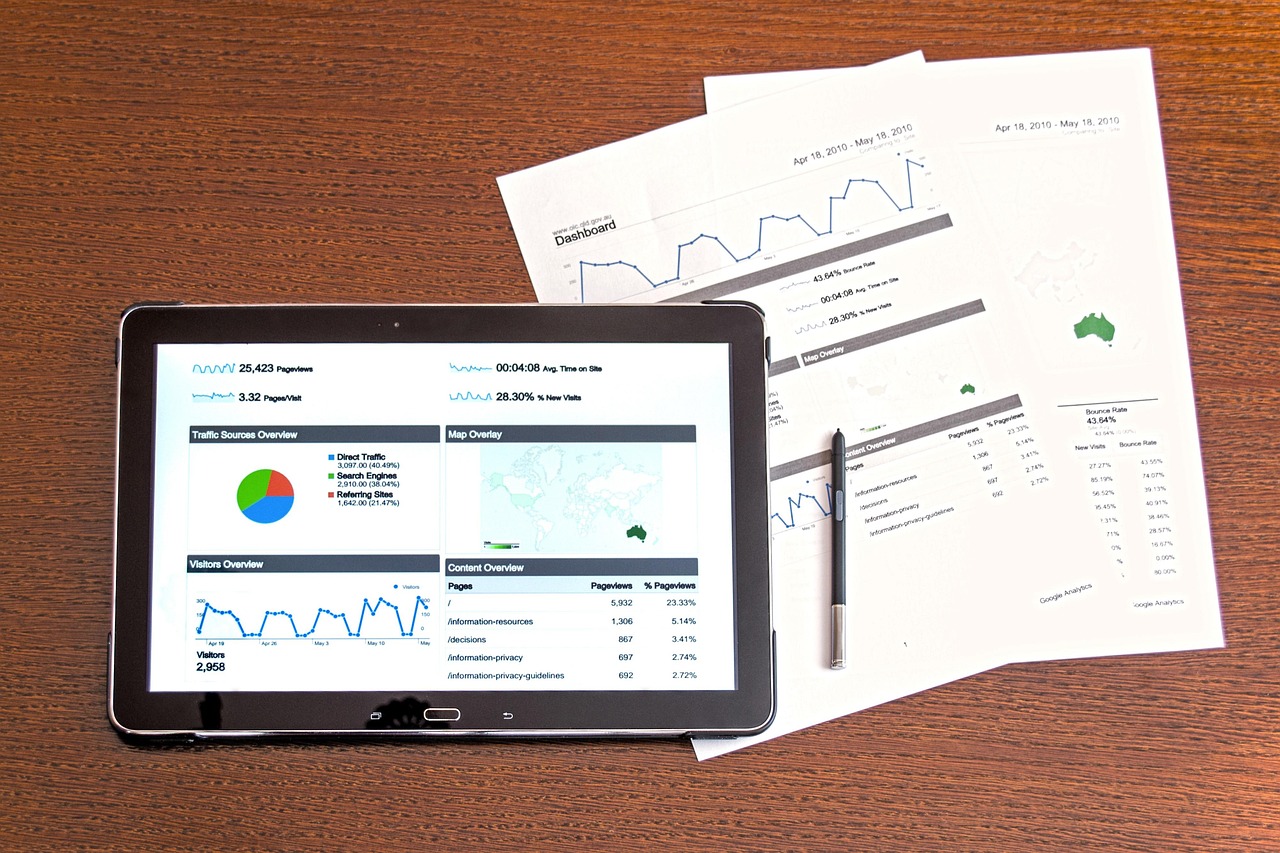
Data analysis is integral to effective journey mapping. When marketers focus on analyzing customer data, they gain profound insights into user behavior that inform strategic decisions. Start with teaching your team about the different types of data they can analyze, including qualitative and quantitative data. Show them how to leverage this data effectively to understand customer needs and preferences. Familiarize the team with analytics tools like Google Analytics, and how to derive actionable insights from them. In addition, discuss the significance of segmenting customers based on their journey stages. By segmenting, the marketing team can create tailored messages that resonate with each customer segment effectively. Additionally, highlight the importance of A/B testing along with other testing methods to validate assumptions. This practice enables marketers to optimize their strategies continuously. Encourage your team to make data visualizations that make sense of complex data, facilitating better understanding and decision-making. Furthermore, remind them that data analysis is not a one-time task but an ongoing process that assists in keeping the customer journey relevant. Ultimately, by refining data analytics skills, the marketing team becomes more agile and better equipped to meet evolving customer expectations.
Creating customer personas is a crucial aspect of the data-driven journey mapping process. These personas help your team understand various customer motivations, challenges, and behaviors. Begin by training your marketing team on how to collect relevant data that builds these personas. This could include demographic information, psychographics, and behavioral insights. Teach the importance of interviewing customers to gather qualitative data that can enrich persona development. Provide templates and examples of effective customer personas to guide the team. Ensure they understand how various personas interact with the brand and experience the customer journey differently. This focused insight allows for the tailoring of messages that resonate more with target audiences. Demonstrating how to align marketing strategies with these personas can significantly enhance campaign success. Encourage the team to revisit and adjust personas regularly as market conditions and consumer behaviors evolve. By creating a culture of continual updates and revisions, your marketing team will maintain relevance in their outreach methods. Lastly, invite your team to present their personas and what they signify. This collaborative effort can lead to richer discussions and insights, improving overall marketing strategies.
Utilizing Journey Mapping Tools Effectively
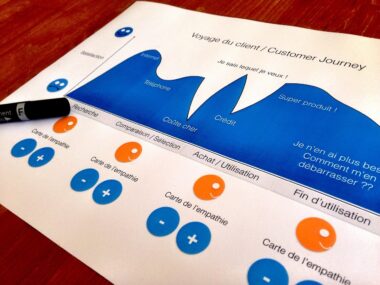
In your training sessions, stress the importance of utilizing journey mapping tools effectively. Familiarize your marketing team with a range of software tools designed specifically for journey mapping. Highlight tools that integrate seamlessly with customer relationship management (CRM) systems. This integration ensures that data remains current and relevant during mapping exercises. Encourage your team to explore various platforms such as Lucidchart, Smaply, or Miro that allow real-time collaboration. Demonstrating the use of templates can fast-track the mapping process; these templates help to visualize the consumer journey efficiently. Explain how to identify the primary stages in the customer journey while utilizing these tools. Encourage the team to collaborate using these platform functionalities, creating a dynamic and fluid mapping experience. Reinforce the significance of continuous updates to the map, as consumer behavior is rarely static. Explore storytelling methods within journey mapping to depict consumer experiences accurately. Encouraging your marketing team to incorporate real stories will make their maps relatable and impactful. Ultimately, a well-crafted journey map allows better alignment between customer needs and the business’s marketing strategies, leading to enhanced customer satisfaction.
Another vital component of training is emphasizing the seamless integration of channels in the customer journey. Your team should understand that consumers today engage with brands through various channels, including social media, websites, email, and physical stores. Hence, recognizing the omnichannel nature of customer experiences is fundamental. Encourage team discussions regarding how each channel contributes uniquely to the overall journey. Engage them in exercises that illustrate how customers interact with multiple touchpoints before making a purchasing decision. Extensive research has shown that inconsistent messaging across channels can deter potential customers. Hence, it’s essential to establish a unified brand voice. Show your marketing team the value of leveraging cross-channel insights to optimize the customer journey. Highlight successful examples of brands that effectively manage their omnichannel strategies to achieve business objectives. Encourage your team to utilize surveys and customer feedback mechanisms to gather data reflecting their experiences across various channels. Finally, train your team to focus on ensuring a seamless and coherent customer experience as they navigate between these channels, as it ultimately fosters customer loyalty and strengthens overall brand perception.
Measuring Success in Data-Driven Journey Mapping
Measuring the success of your data-driven journey mapping efforts is crucial for continuous improvement. Start by establishing clear KPIs and metrics that align with your marketing goals. Discuss both quantitative and qualitative measures that will provide a comprehensive understanding of customer engagement and satisfaction. Metrics might include customer lifetime value (CLV), Net Promoter Score (NPS), or conversion rates on targeted campaigns. Provide your marketing team with practical examples illustrating how to collect and analyze data concerning these metrics effectively. Encourage them to utilize dashboards for continuous tracking of these KPIs over time. This creates visibility around performance and offers insights into areas that need adjustment. Additionally, foster a culture of experimentation within your team. Emphasize the importance of pilot testing and analyzing outcomes before making large-scale campaign changes. Gather regular reports on journey mapping effectiveness, enabling teams to refine their strategies as necessary. Prompt your team to regularly review the effectiveness of customer touchpoints, utilizing analytics to interpret behaviors. Ultimately, by focusing on measurable outcomes, your marketing team becomes equipped to enhance their journey mapping efforts, contributing to a stronger customer focus.
Finally, instilling a culture of continuous learning within your marketing team will bolster the effectiveness of training on data-driven journey mapping. Encourage attendance at relevant workshops and webinars to keep abreast of industry trends and changes. Additionally, promote internal sharing sessions where team members can present findings and creative strategies. Highlight the benefits of networking with peer professionals within the marketing community; learning from neighboring professionals can provide invaluable insights. Advocate for utilizing online courses to refresh their skills and knowledge on tools and processes. Continuous professional development not only motivates team members but also enhances their capabilities in journey mapping dramatically. Encourage a mindset of curiosity wherein team members actively seek out innovative approaches regarding customer interactions. By fostering this growth-oriented environment, training efforts are solidified. Highlight that journey mapping is an iterative process, which encourages the team to be adaptable and responsive to changing customer needs. Lastly, concluding your training on a motivational note can inspire your team to apply the skills learned while diving into real-world applications confidently.