
Content Marketing Frameworks and Customer Journey Mapping
A clear understanding of content marketing frameworks and customer journey mapping is essential for modern marketing strategies. Content marketing frameworks serve as systematic approaches that help businesses create, distribute, and manage valuable content aimed at their target audience. These frameworks can guide marketers through the process of aligning their content with customers’ needs at various stages of the buying journey. A well-defined framework organizes content types, channels, and user engagement tactics. It enables marketers to ensure that their audience receives the right message at the right time. The customer journey mapping process visualizes this journey, detailing touchpoints that customers encounter with a brand – whether online or offline. By combining both elements, marketers can design a seamless interaction experience that enhances customer satisfaction and loyalty. Awareness, consideration, decision, and post-purchase are key stages that need specific content strategies. Customizing approaches for each stage leads to improved engagement. Strengthening alignment among your content marketing efforts and mapping enhances customer experience efficiency. This ultimately drives conversions, increases sales, and builds long-term relationships with customers.
In-depth exploration of effective content marketing frameworks can set a solid foundation for any marketing initiative. Several models exist to assist marketers in structuring their content strategy. The most popular include the Content Marketing Matrix, Customer Value Journey, and HubSpot’s Flywheel. The Content Marketing Matrix categorizes various content types based on user engagement and informational value. It promotes awareness and guides prospects through their journeys. The Customer Value Journey helps more effectively connect with potential customers by identifying and demonstrating key value propositions at each customer touchpoint. HubSpot’s Flywheel emphasizes the need to provide exceptional customer experiences that result in referrals. Social media, blogs, videos, and email campaigns are vital channels in these frameworks. Each element plays a specific role in expanding reach and generating qualified leads. Marketers should also analyze and measure their results closely to adjust strategies based on performance data. Learning from past campaigns enlightens future decisions and enhances overall strategy effectiveness. Continually adapting your approach will ensure that content marketing remains relevant and impactful in rapidly changing environments.
Importance of Customer Journey Mapping
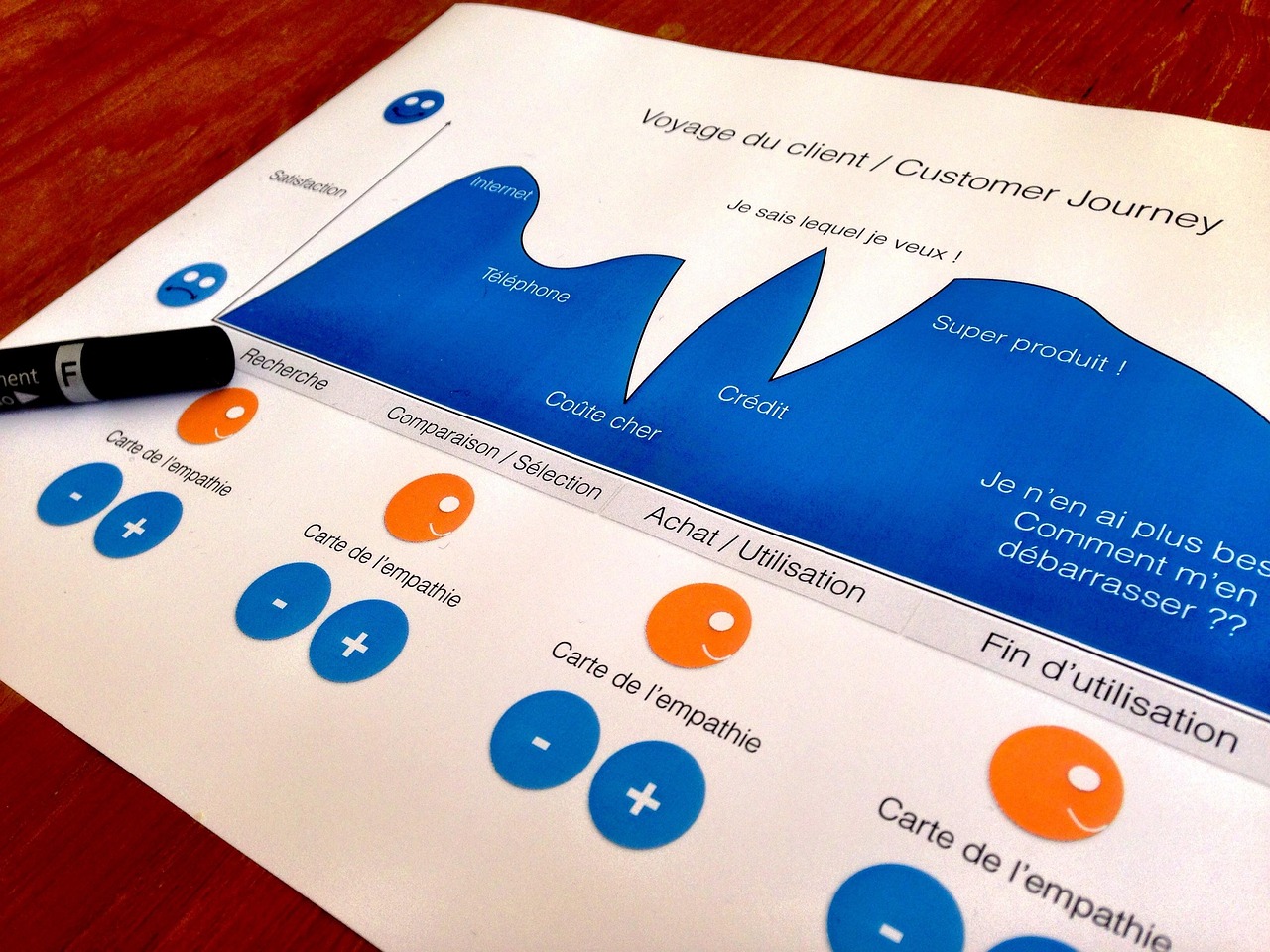
Customer journey mapping is a pivotal aspect of content marketing frameworks that cannot be overemphasized. Understanding the customer’s perspective enables marketers to tailor content effectively throughout the buying journey. By mapping each customer interaction, businesses identify gaps in their messaging and opportunities that enhance engagement. This thorough examination yields insights that contribute to crafting personalized content experiences that resonate deeply with users. Various tools are available to facilitate customer journey mapping, from digital software to simple visual aids. Marketers can segment audiences based on demographics, preferences, and behaviors, providing even more context for their strategies. Recognizing these nuances equips businesses to deliver the right content, at the right moment, across preferred channels. Furthermore, customer journey maps reveal the emotions, motivations, and pain points that influence purchasing decisions. Addressing these elements within your content strategy fosters a stronger connection with the audience and encourages higher retention levels. Using customer feedback to influence these maps will also add valuable insights into what changes might enhance the overall experience. By aligning content with real customer needs, marketers significantly improve conversion rates and overall engagement.
In creating content marketing frameworks that effectively utilize customer journey mapping, establishing key performance indicators is crucial. KPIs help to measure the success of content strategies and align them with business objectives. Understanding customer engagement metrics, such as clicks, conversions, and time spent on content, will inform necessary adjustments for future campaigns. Tracking specific KPIs can help businesses pinpoint what resonates with their audiences and what fails to engage effectively. Regularly reviewing these performance indicators can enhance operational efficiency. Companies should also consider factors like content promotion and distribution channels. Ensuring content reaches its intended audience is as essential as the content itself. Documenting success stories, testimonials, and case studies can highlight the effectiveness of content approaches. Besides, sharing these insights can foster credibility and act as persuasive content for prospects. Additionally, ongoing training and education for marketing teams enhance skills and knowledge about evolving content strategies and customer preferences. Leveraging available tools and technologies to track content performance can foster consistent improvement. Establishing a culture of continuous monitoring and learning can drive superior customer experiences through data-driven decisions and tailored content.
Integrating Content Strategies
Integration of content marketing strategies with overall business goals is vital, as it harmonizes efforts across departments and fosters collaboration. Content must align with sales, customer service, and product development departments to ensure consistent messaging and engagement across all platforms. Cross-department collaboration enriches the content pool by pooling diverse perspectives and expertise. When everyone shares the same goals, it becomes easier to craft a unified narrative that speaks to customers. The more pertinent and relatable the content becomes, the stronger the connection with the intended audience. Using consistent themes and messaging promotes brand recognition and trust, driving meaningful engagement. Marketers should regularly communicate the intended impact of their content with other departments. Workshops, meetings, or collaborative platforms can help reinforce this shared responsibility. This way, content becomes a collaborative effort, increasing the likelihood of reaching potential customers through an engaging and seamless interaction experience. Marketing strategies should always include feedback loops to refine methods and adjust messages according to real-time performance data. By working with other departments and encouraging open communication, it becomes much easier to enhance customer experiences effectively.
Another vital component of successful content marketing frameworks is understanding the power of analytics in shaping effective strategies. Analytics provide marketers with invaluable insights into audience behavior, preferences, and interaction patterns. Employing tools like Google Analytics enables extensive analysis of content performance, including page views, dwell time, and bounce rates. This data enhances decision-making, guiding future content creation efforts. Analyzing the performance of different content formats allows marketers to explore which types resonate best with their target audiences. Additionally, assessing the effectiveness of multiple distribution channels points out where efforts should be focused. Identifying successful content types aids in refining budget allocations. Furthermore, monitoring social media engagement metrics expands insights on audience reactions in real time. Social listening tools help marketers understand sentiment and trends around their content, which can be critical for future campaigns. Data-driven decisions based on factual analytics create a stronger foundation for ongoing marketing efforts and help in optimizing ROI. Regularly surveying customers to gather qualitative feedback further complements this data approach. Engaging with your audience not only increases loyalty but aids in determining effective future strategies.
Conclusion and Future Considerations
In conclusion, combining content marketing frameworks with customer journey mapping is essential for developing impactful marketing strategies. By understanding customers’ needs throughout their decision-making process, businesses can create tailored content experiences that resonate and engage effectively. As the marketing landscape continues to evolve, embracing new technologies such as AI, machine learning, and data analytics will further enhance the ability to create relevant content. Continuous adaptation and learning will be crucial for staying competitive in this dynamic environment. Keeping an eye on industry trends will inform future strategies, paving the way for innovation in content marketing practices. Emphasizing an integrated approach enables a consistent and unified customer experience. Looking forward, consider personalizing content based on user behavior and preferences. This fosters deeper connections between brands and customers. Moreover, prioritizing seamless transitions across touchpoints enhances the overall effectiveness of content strategies. Ultimately, investing time and resources in both frameworks and mapping will pay off in creating lasting relationships with customers. A well-planned strategy ensures that content efforts translate into measurable results and increased customer satisfaction while aligning with broader business goals.
Achieving lasting results requires dedication and commitment to excellence in content marketing methods. Continuously testing and refining content strategies, along with updating customer journey maps, will help ensure ongoing success. By keeping customer perspectives at the forefront, businesses can craft truly remarkable experiences that inspire loyalty and drive revenue growth. Building a responsive feedback mechanism to assess the efficacy of implemented changes will allow organizations to pivot their approaches quickly as necessary. Investing in skilled talent and modern tools is also critical for optimizing the efficiency of content marketing efforts. As new platforms and techniques emerge, keeping teams current on industry advancements is a necessity for success. Fostering a culture of innovation encourages experimentation, leading to discovering novel ways to engage audiences meaningfully. Regular benchmarking against competitors can identify additional areas where improvement is needed or demonstrate best practices. Striving for ongoing refinement becomes a part of the brand’s overall ethos over time. When organizations commit to a long-term perspective on content marketing frameworks and customer journey mapping, the rewards can truly be transformative.