
Strategies for Effective Message Sequencing in Integrated Marketing Communications
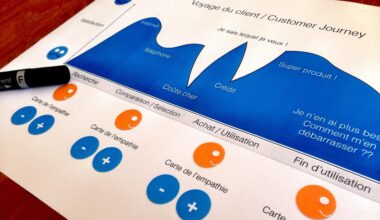
Effective message sequencing plays a critical role in Integrated Marketing Communications (IMC). This involves planning the order and timing of communication to enhance impact. The primary aim is to create a cohesive narrative that resonates with the audience. The strategic alignment between different marketing channels ensures that messages amplify each other instead of competing. This is crucial for building brand awareness and fostering consumer engagement. Consequently, marketers must identify key points in customer journeys where specific messages will resonate more. Consistency across all mediums, whether social media, email, or traditional advertising, is vital. Enhanced audience targeting, via segmentation and personalization, allows for more relevant and timely communications. Overall, a well-structured message sequencing strategy not only captures attention but also encourages desired consumer behavior. In this dynamic landscape, understanding the audience’s perception and adapting messages accordingly forms the bedrock of successful campaigns. Marketers must remain agile, incorporating feedback and data into their strategies. This ongoing optimization helps ensure the messaging remains relevant and effective in meeting campaign objectives.
One of the key strategies for effective message sequencing is storytelling. Storytelling creates emotional connections and allows brands to communicate their values creatively. By structuring messages within a narrative framework, marketers can ensure that their audience remains engaged. This technique allows for conveying complex information in an easily digestible format. Developing a story arc involves balancing various elements, such as character development and conflict resolution. Additionally, integrating elements like timeframes and thematic elements can further enhance message retention. Social proof, testimonials, and client success stories serve to bolster credibility within these stories. As consumers increasingly seek authenticity, brands that utilize storytelling can expect higher levels of trust and loyalty. This approach encourages consumers to share their experiences, further amplifying the message through user-generated content. Each sequential message in the storyline should build on the previous one, reinforcing key points while maintaining interest. Ultimately, storytelling in sequenced messaging not only captures attention but also fosters a deeper bond between the brand and its audience, paving the way for improved marketing outcomes.
The Importance of Timing in Message Sequencing
Another essential consideration in effective message sequencing is timing. Marketers must understand the importance of when to deliver specific messages, as timing can significantly influence the reception and effectiveness of communications. An analysis of customer behavior patterns helps identify critical moments when messages will have the greatest impact. For instance, targeting consumers just before a purchase decision or during key awareness periods can enhance the likelihood of engagement. Seasonal campaigns require careful timing, ensuring that the messaging aligns with audience expectations. Additionally, monitoring current trends and events allows marketers to timely react with relevant communications. This proactive approach may require adjustments to existing plans based on real-time data. Integrating technologies and tools for data analytics facilitates better timing decisions and refined targeting strategies. Brands that effectively leverage timing in their message sequencing have a distinct advantage in capturing attention and driving action. Therefore, the importance of a well-timed message cannot be overstated in enhancing customer experience and ensuring the success of marketing efforts.
Incorporating a mix of communication channels is vital for effective message sequencing. A multi-channel strategy ensures that messages reach the audience through their preferred media. Various channels, including social media, email, online content, events, and traditional advertising, should be carefully selected based on target demographics. Each channel offers unique opportunities for interaction and engagement. For instance, social media allows for real-time conversations, while email marketing is ideal for detailed information sharing. An integrated approach takes advantage of the strengths of each channel while ensuring cohesion in messaging. Marketers must maintain a consistent tone and style across all channels to uphold brand integrity. Cross-channel promotions can also enhance visibility and encourage consumers to engage with the brand on multiple platforms. This interconnected experience increases the chances of message retention and boosts brand recall. The challenge lies in formulating a unified strategy that accommodates the varying characteristics of each channel. A seamless integration of messaging across diverse platforms ultimately enhances the overall consumer experience, leading to better outcomes.
Utilizing Consumer Feedback in Message Sequencing
Utilizing consumer feedback plays a pivotal role in shaping effective message sequencing. Marketers should actively solicit input and monitor audience reactions to optimize communications continuously. Feedback mechanisms, including surveys, social media engagement, and focus groups, provide valuable insights into consumer sentiment. This data enables marketers to fine-tune messaging and alter the sequencing when necessary. Understanding pain points, preferences, and perceptions allows for the development of more personalized content. A responsive approach fosters deeper relationships with consumers, as they feel valued and heard. Analyzing customer interactions with previous campaigns provides essential understanding regarding the types of messages that resonate the most. This analysis can guide future message sequencing strategies, effectively addressing audience needs. Furthermore, leveraging data analytics tools augments the process of gathering and interpreting feedback. Continuous optimization based on real-time insights leads to improved messaging and potential sales growth. As competition increases, brands that prioritize consumer feedback will likely outperform their competitors in developing impactful and relevant marketing communications.
Another critical element in message sequencing is the alignment of marketing objectives. Each message in the sequence should support overarching marketing goals and key performance indicators. Establishing clear objectives at the outset ensures a coherent approach throughout the campaign. Whether aiming for brand awareness, customer loyalty, or lead generation, each communication should move the audience closer to achieving those goals. Regularly assessing and aligning messages with objectives helps maintain focus and direction. Additionally, incorporating metrics for measuring success provides insight into the effectiveness of sequenced messaging. Metrics such as click-through rates, engagement scores, and conversion rates can inform strategies. Continuous evaluation allows for agile adaptations, ensuring the marketing efforts remain effective. By aligning all aspects of messaging, including design, tone, and substance, marketers can create a unified brand presence. This strategic coherence fosters recognition and strengthens the brand image. As a result, an integrated approach to message sequencing ultimately helps businesses achieve their marketing objectives while positively engaging with their target audience.
Conclusion: Navigating Message Sequencing Challenges
In conclusion, navigating message sequencing challenges is vital for successful Integrated Marketing Communications. This process involves careful planning, consumer engagement, and strategic consistency across channels. Brands that integrate storytelling, timing, multi-channel strategies, feedback, and alignment with objectives stand to gain significant advantages. The evolving landscape of consumer behavior necessitates ongoing refinement of messaging strategies. Moreover, investing in data-driven practices empowers marketers to tailor their messages effectively, leading to improved outcomes. Understanding the intricacies of each strategy ensures that brands resonate with their target audience while achieving their communication goals. Additionally, it is crucial to remain adaptable and open to change within marketing initiatives. With the right strategies, businesses can effectively communicate their message, build lasting relationships, and succeed in today’s competitive environment. Marketers must embrace a holistic view of IMC, recognizing the interconnectedness of messages and their cumulative impact. Fostering a culture of innovation and responsiveness will enable organizations to thrive in their marketing efforts. Subscribing to these principles will undoubtedly lead to enhanced engagement, loyalty, and profitability.
In this final segment, we emphasize the importance of consistently reinforcing messaging in Integrated Marketing Communications. Each message contributes to cumulative awareness, helping reinforce brand identity. When consumers encounter consistent and cohesive messaging, they are more likely to remember the brand and its values. Effective communication can also ease decision-making for consumers by providing them with clear information. This clarity creates trust and encourages them to choose your brand over competitors. Regular assessment of messaging ensures that it aligns with both changing market trends and consumer expectations. Continuous improvement should remain at the forefront of IMC strategies, as it allows brands to cultivate relevance and adaptability. Ultimately, consistency, creativity, and an in-depth understanding of target audiences play an essential role in successful message sequencing. As brands embrace the changing dynamics of consumer preferences, they must not lose focus on their core messaging. To achieve remarkable results, organizations should incorporate the best practices discussed throughout this article. A thoughtful approach to sequencing will establish a robust framework that delivers measurable success within Integrated Marketing Communications. Marketers should strive for ongoing learning and adaptation in their quest for effective messaging.