
How to Analyze Conversion Funnels to Identify Improvement Areas
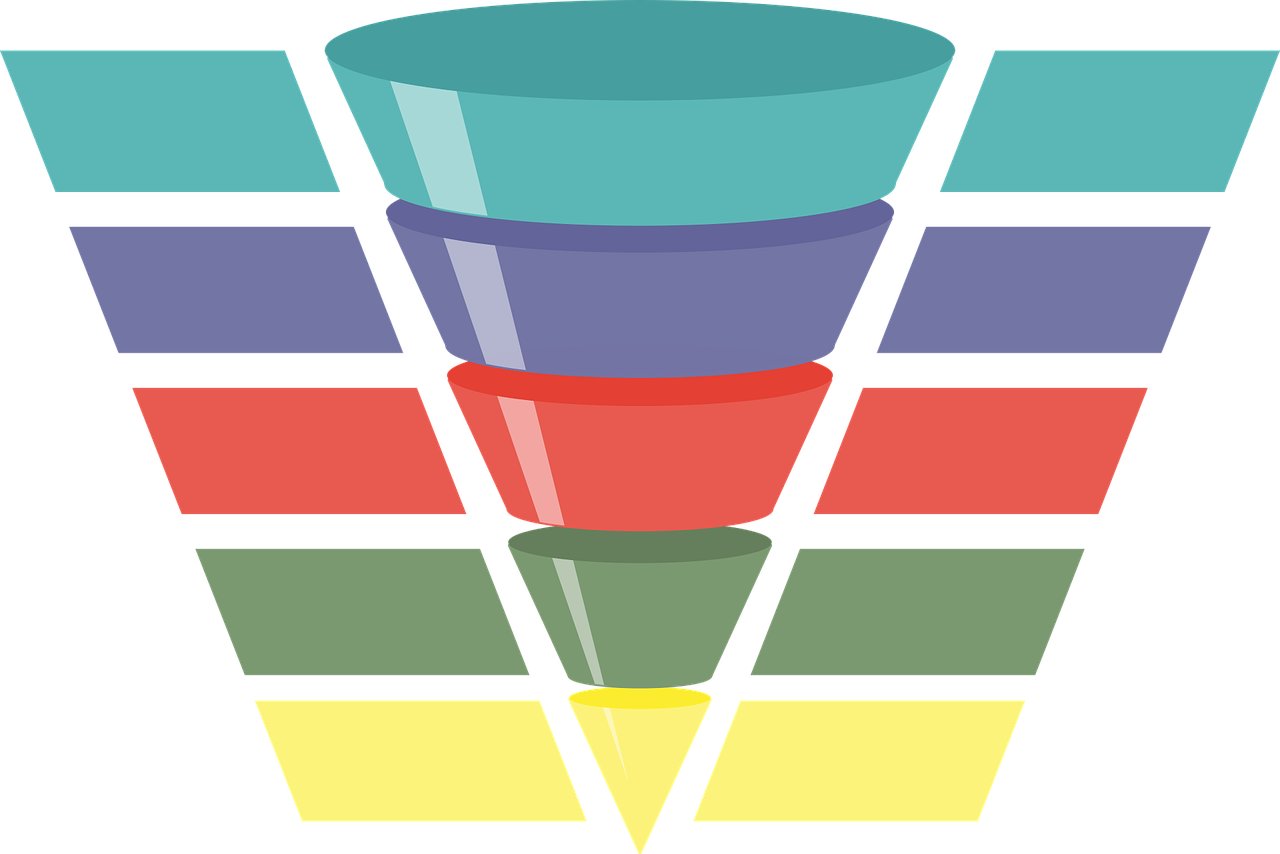
In the realm of E-commerce Marketing, understanding how customers interact with your site is crucial. A conversion funnel illustrates the path customers take from discovering your brand to making a purchase. By analyzing this funnel, businesses can identify where potential customers drop off, allowing you to target specific areas for improvement. The most effective way to begin is by visualizing the entire conversion process. This involves mapping out stages such as awareness, interest, decision, and action. Once this is established, tracking analytics at each stage will provide insights into customer behavior. Metrics like click-through rates, bounce rates, and time spent on pages are essential. Implementing tracking tools like Google Analytics or dedicated funnel analysis platforms can provide valuable data. By interpreting this data effectively, businesses can detect trends. Understanding where your audience disengages can inform strategic adjustments. Ultimately, analyzing these funnels opens the opportunity for enhanced conversion strategies, which may include optimizing your website’s user interface or improving your product descriptions. Recognizing and addressing these areas could significantly increase conversion rates.
After mapping your conversion funnel, the next step is deepening your analysis. Segment your traffic to better understand how different channels affect the conversion process. For instance, organic traffic might exhibit different behavior than social media users. Understanding these variances enables targeted optimizations. Utilizing A/B testing can further enhance this analysis. For example, you can compare two versions of a landing page to see which leads to higher conversions. Evaluating which headlines, images, or call-to-action buttons perform best can reveal valuable insights. It’s crucial to maintain a research-driven mindset during this process. Customer feedback is another valuable resource in identifying bottlenecks in your funnel. Surveys and reviews can provide the voice of the customer, revealing pain points and clarifying their experience. Webinars and focus groups are additional methods to gain qualitative insights into customer behavior. Statistically analyzing this data and translating it into actionable strategies will help mitigate drop-off points. A well-rounded approach that combines quantitative and qualitative data will empower you to make informed adjustments. Leveraging this insight can effectively boost your conversion rates.
Once you have a clear sense of where your conversion funnel is experiencing challenges, you should prioritize those pain points. Focus on the areas with the most significant impact first. For instance, landing pages with very high bounce rates indicate a critical area needing improvement. Analyze why customers leave these pages quickly. Is the content not engaging? Are there issues with load speed? Addressing these problem areas quickly can turn potential losses into conversions. Implementing user experience design principles is essential. Consider the hierarchy of information on your pages, ensuring it is intuitive for users to navigate. Additionally, simplify the checkout process. Research shows that complicated checkout processes lead to high cart abandonment rates. Streamlining this process—by reducing the number of fields or offering guest checkout options—can greatly improve conversion rates. Don’t underestimate the value of mobile optimization as well. Today, consumers make a significant portion of purchases through mobile devices. Therefore, ensuring a seamless mobile experience is vital. Make sure your site’s design is responsive and that all functionalities are easily accessible on mobile devices.
Use Analytics Tools for Continuous Improvement
Analytics tools are vital for observing customer interactions within your conversion funnel. Tools such as Google Analytics provide invaluable data on visitor behavior, demographics, and traffic sources. Setting up goal tracking allows you to monitor key performance indicators closely. These indicators might include goals such as page views, downloads, or product purchases. Using heat maps can also be advantageous. They visually represent where customers click the most on your site, revealing which parts of your content capture attention and which do not. Furthermore, employing session recording tools can give insights into how users navigate your site. Observing recordings of actual user sessions can highlight usability issues or confusing navigation elements. This data helps create a more intuitive experience for your customers. Oftentimes, small details make a significant difference in conversion rates. Regularly review these analytical findings to fine-tune your approach continually. A/B testing should also be ongoing and not just a one-time effort. Continuous testing will lead to incremental improvements over time, enhancing customer interaction and ultimately increasing conversions.
Another essential tactic for optimizing your conversion funnel involves employing persuasive copy. Copywriting plays a crucial role in guiding potential customers along the buying journey. Create compelling headlines that grab attention and succinctly convey the value of your offerings. Moreover, employing emotional triggers within your content can enhance engagement. Utilizing testimonials and social proof can further persuade hesitant customers. Customers are more inclined to trust a brand when they see positive reviews or success stories from others. Consider using case studies to elaborate on your products’ benefits. Additionally, employing clear and actionable call-to-action buttons (CTAs) is fundamental. CTAs should stand out and articulate the next step you want your customers to take, whether that’s signing up for a newsletter, completing a purchase, or exploring more about your products. Experiment with the wording and design of CTAs through A/B testing. Make sure they reflect urgency and exclusivity. Elements such as limited-time offers can encourage quicker decisions. Strategically placing CTAs throughout your site can nudge users towards conversion without being intrusive.
Gather Customer Feedback
Gathering customer feedback is essential to understanding the effectiveness of your conversion funnel. Analyzing customer feedback allows brands to hear directly from the source—your audience. Start by implementing post-purchase surveys to gauge customer satisfaction and discover what aspects of the buying process they found frictionless or frustrating. These insights can clear up ambiguities in your data analysis. In addition to surveys, engage with customers on social media platforms. Monitor comments and messages for common concerns or questions. Webinars and live chats are also advantageous. They offer a space for customers to voice their opinion directly, fostering a sense of community. Offering incentives for feedback can improve your response rates. Consider providing discounts or freebies as a gratitude for their input. However, ensure that the feedback is anonymous to promote honesty. Analyzing this feedback can reveal underlying issues with your conversion funnel that metrics alone might not capture. Adjustments based on customer voice can ultimately lead to a more converted customer experience. Always be prepared to act upon this feedback to foster trust and loyalty.
Lastly, establishing a culture of iteration within your organization will support the ongoing optimization of your conversion funnel. Encourage your team to experiment with new strategies and technologies that enhance user experience. Staying updated on industry trends and technology will keep your conversion strategies relevant and competitive. Regular meetings focused on funnel analysis and brainstorming sessions can foster collaboration, generating innovative ideas for improvement. Make use of key performance indicators (KPIs) to evaluate your success over time and adapt your strategies accordingly. Tracking metrics like Customer Lifetime Value (CLV) or Return on Advertising Spend (ROAS) will offer insights into the effectiveness of your marketing spend as it relates to conversions. Furthermore, connecting with industry professionals through networking can provide fresh ideas and practices. Consider attending seminars or webinars focused on E-commerce conversion strategies. It’s essential to remain flexible and open to change, as customer preferences evolve rapidly. Optimizing your conversion funnel should be viewed as an ongoing project rather than a one-time effort, ensuring your strategy progresses with the changing marketplace.
In summary, analyzing conversion funnels requires a comprehensive approach that incorporates various strategies. From mapping the journey of your customers to utilizing analytics tools, each step plays a vital role in increasing your conversion rates. Testing and refining your website’s design and content can reveal the gaps that allow potential customers to slip away. Gathering customer feedback and acting upon it will further inform your decisions and enhance user satisfaction. A culture of continuous improvement will help identify and implement effective strategies consistently. The effort invested into understanding and optimizing your conversion funnel pays dividends in the long run, as a well-optimized site draws in users, engenders trust, and ultimately leads to increased sales. Therefore, approach conversion optimization as not only a crucial aspect of marketing but an ongoing commitment to excellence in customer experience and business growth. Focused attention on the finer points of customer interaction will ensure that your E-commerce site performs optimally, capturing every opportunity to convert potential customers into loyal patrons.