
How to Prioritize Energy Efficiency Projects for Maximum Savings
To achieve maximum savings through energy-efficient home improvements, it is crucial to prioritize projects effectively. Start by assessing your home’s energy consumption to identify areas that need enhancement. A professional home energy audit can pinpoint insulation deficiencies, air leaks, and outdated appliances that consume excess energy. Focus first on projects that yield immediate comfort improvements and high return on investment, such as upgrading insulation or sealing ductwork. Consider also the local climate when selecting improvements, as some projects may show better results in specific conditions. Evaluate the overall cost, including potential savings on utility bills and the time required to complete the project. Additionally, explore grants or incentives available in your area to offset initial costs. For example, many local governments offer rebates for energy-efficient appliances and systems. Lastly, remember to factor in any ongoing maintenance costs associated with the upgrades. Prioritizing these projects will not only improve your home’s energy efficiency significantly but will also lead to substantial savings on monthly bills, resulting in a quicker return on your investment.
Assessing Home Energy Efficiency
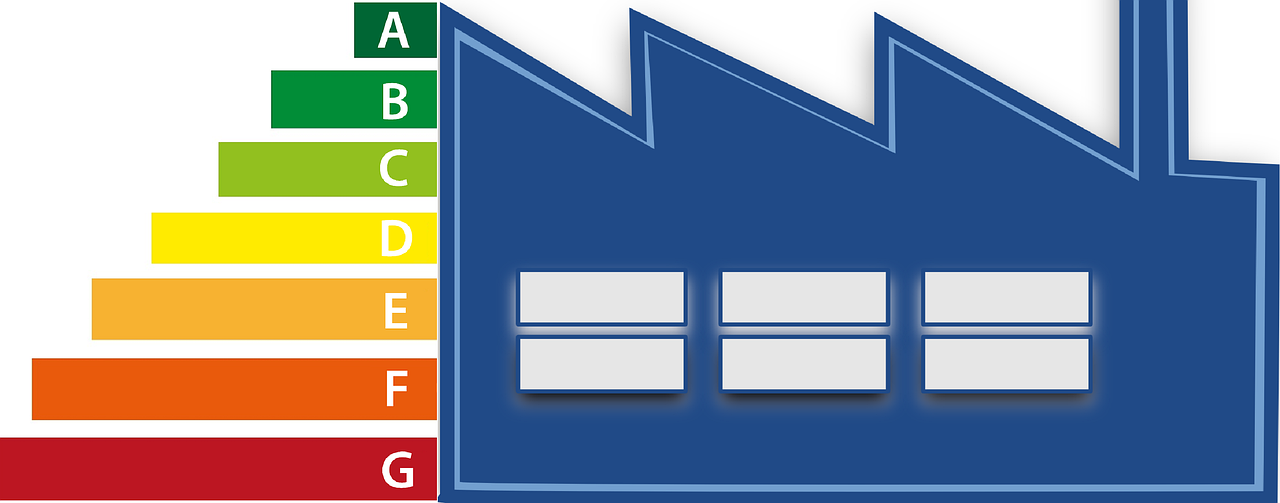
When determining which energy efficiency projects to tackle first, understanding your home’s current energy performance is essential. Examine your existing heating and cooling systems, insulation levels, and windows. It’s beneficial to use online energy calculators or consult with energy professionals. Look for the most comprehensive upgrades, starting with aspects that will impact your monthly expenses immediately. For instance, installing programmable thermostats can lead to significant savings without overspending. Simultaneously, consider replacements for older appliances with ENERGY STAR-rated models, which use less electricity and water. After considering appliances, windows also deserve attention; double-pane or low-e glass windows can greatly affect energy loss. Use tools such as thermal cameras to visualize insulation issues, allowing you to make informed decisions. Maintain an organized checklist, categorizing projects into quick wins, moderate investments, and long-term projects. This overview will help you decide which projects to fund first, maximizing your investment potential. Keeping a balanced approach will ensure that both immediate comfort and long-term efficiency goals are met, contributing to overall home improvement success.
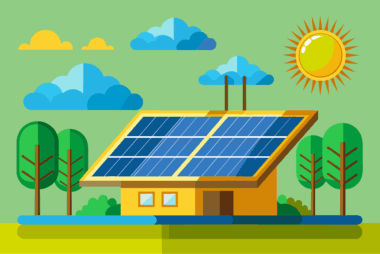
In addition to addressing appliances and insulation, you should consider integrating renewable energy sources as part of your energy efficiency strategy. Solar energy installations have become increasingly affordable and provide considerable returns over time. If you have adequate sunlight exposure on your property, assess whether solar panels are appropriate for your energy needs. Also, examine energy storage systems such as solar batteries, which allow you to maximize the use of generated energy. Remember that the integration of these systems may require an upfront investment, but can lead to substantial future savings on energy bills. Evaluate local regulations and permits required for the installations as well, as these factors can impact your project timeline. Further, consider supplementing your renewable energy initiatives with energy-efficient landscaping, such as planting trees for shade or using native plants that require less water. Combining these elements not only enhances overall savings but also contributes positively to the environment. By adopting a multifaceted approach that considers renewables alongside traditional upgrades, your home can become a model of energy efficiency while maximizing savings.
Timing Is Key
Timing plays a vital role when planning energy-efficient home improvements. Certain upgrades, like insulation or window replacements, may be best undertaken during specific seasons. Conducting these projects in autumn or spring can minimize energy loss during temperature fluctuations. Furthermore, contractors may offer incentives or lower rates during off-peak seasons. Plan ahead and be proactive about scheduling, especially if significant upgrades are needed. For example, furnace replacements should ideally occur before winter, ensuring that your home is adequately heated at minimal operational costs. Additionally, taking advantage of rebates and timely energy audits can enhance your savings. Monitor your local utility’s announcements for deadlines on available incentive programs, which may fluctuate annually. Whenever possible, align energy efficiency upgrades with regular home maintenance tasks. By consolidating similar projects—for instance, scheduling roof repairs alongside solar panel installations— you can save on labor costs and minimize disruption. Energy efficiency projects not only lower bills but can increase home resale value. Thus, prioritizing upgrades with timing in mind is an effective strategy to maximize savings and improve your living space.
Funding energy-efficient home improvements can be overwhelming, yet several financing options are available to help alleviate upfront costs. Research local, state, and federal incentives designed to incentivize energy-efficient upgrades, such as tax credits, rebates, and low-interest loans. Many utility companies and local governments also offer programs that provide grants or discounts for specific energy upgrades. It’s essential to research these programs thoroughly to understand eligibility requirements and application dates. Additionally, consider financing options like home equity loans or lines of credit to fund larger renovations. These options often come with lower interest rates and can help to spread payments over a more extended period. Explore community programs that assist homeowners in financing energy upgrades, as they may offer tailored solutions based on local needs. Always remember to calculate your overall return on investment to ensure that expenses align with potential energy savings. Balancing financing with project costs will position you for successful project implementation while easing financial strain. This strategic approach ensures that energy efficiency upgrades are both impactful and achievable, ultimately contributing to lasting savings.
Monitoring and Evaluating Improvements
Implementing energy-efficient upgrades is just the beginning; ongoing monitoring and evaluation are essential to ensure continued effectiveness. After completing improvements, it’s crucial to track energy consumption over the coming months, comparing it to previous usage patterns. Utilizing smart home technology can simplify this process, allowing for real-time monitoring and adjustments as needed. Many smart meters provide users with detailed insights into energy use, presenting opportunities to optimize consumption further. Make sure to review your utility bills closely; look for any fluctuations that occur after upgrades are made. Don’t hesitate to reassess the efficiency of installations periodically—this includes checking seals on windows or the performance of heating and cooling systems. If anomalies arise, corrective measures can be taken quickly, preventing wasted energy and expenses. Introducing trends or seasonal adjustments into your energy management routines can also lead to significant long-term savings. Regular evaluation helps you recognize which upgrades yield the best results, allowing you to become an informed consumer. Knowledge gained through monitoring helps in prioritizing future energy projects, ensuring your home remains efficient and cost-effective.
Lastly, educating yourself about new energy-saving technologies and trends can enhance your energy efficiency journey significantly. As advancements in technology evolve, staying informed enables you to make educated decisions about improvements relevant to your home. Attend local workshops or webinars focused on energy efficiency; these gatherings often share essential information about innovative solutions and funding opportunities. Moreover, connect with community organizations or advocacy groups dedicated to promoting sustainable practices—these networks can offer guidance on best practices. Blogs and online resources also play a role in disseminating the latest energy efficiency information, acting as valuable tools in keeping homeowners informed. Joining social media groups focused on green living can further widen your perspective, connecting you with others who share similar goals. Leverage these communities to exchange experiences, tips, and insights regarding energy-efficient upgrades. By maintaining an inquisitive and proactive approach, you can ensure that your home remains at the forefront of energy efficiency. This dedication ultimately leads to stronger financial savings, a more comfortable lifestyle, and a positive impact on the environment.