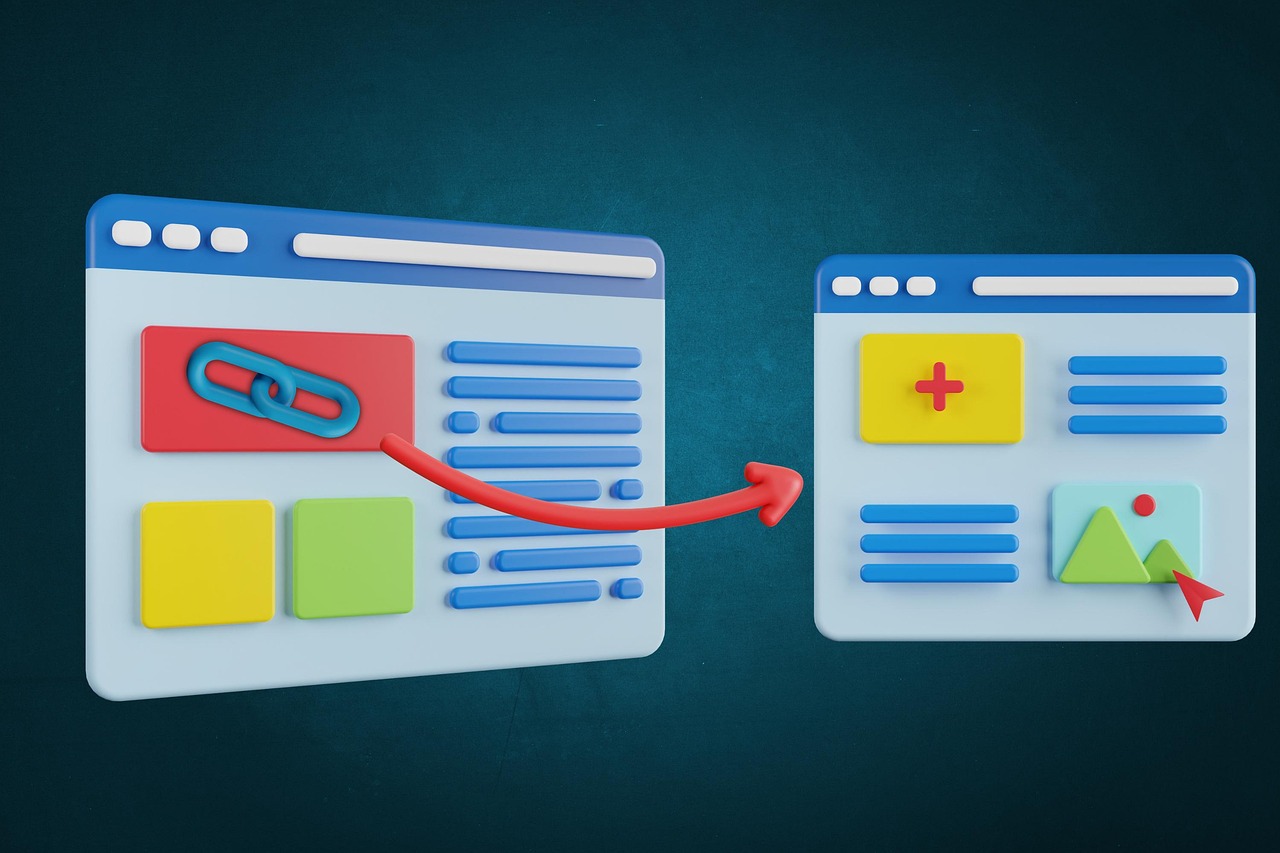

How to Use Internal Linking to Improve UX and SEO
Internal linking is an essential strategy for enhancing both user experience (UX) and search engine optimization (SEO). It connects various pages on your website, guiding users through your content effectively. By utilizing internal links, you help users navigate your site with ease while also directing search engines to important content. When done correctly, internal linking provides visibility to lesser-known pages while keeping the user engaged. A well-structured internal linking strategy can reduce bounce rates and increase the average time spent on site. Additionally, it enhances the overall flow between pages, helping users find related information more seamlessly. Focus on your high-traffic pages and link them to your most relevant content. This will help establish a hierarchy within your site while boosting your SEO efforts. As visitors navigate your site, aim to make their journey as simple and efficient as possible. In doing so, you’re not just benefiting SEO; you’re also cultivating a positive user experience that encourages return visits and shared content.
To implement a successful internal linking strategy, first, analyze your website structure thoroughly. Create a map that outlines all your pages and the relationship between them to identify opportunities for linking. Look for pages that naturally complement each other, such as product descriptions linked to category pages or blog posts. Using relevant anchor text is crucial for making your links more informative. Choose descriptive phrases that give users a clear understanding of what they can expect if they click the link. Using keywords in anchor text also signals relevance to search engines, thereby improving your SEO performance. Furthermore, vary the anchor text to avoid over-optimization, as this can lead to penalties from search engines. Be mindful of including both contextual links within your content and links in navigational elements such as footers and headers. Another tactic is to regularly audit your internal links and update them as your content evolves over time. This way, you maintain the effectiveness of your internal linking strategy across your website.
Prioritizing User Experience
When integrating internal links into your content, always prioritize user experience as your main objective. The primary goal is to assist users in finding valuable content without overwhelming them. To achieve this, consider incorporating links sparingly and strategically within your content. Too many links can confuse readers and lead them to feel lost. It’s best to use a reasonable number of links that genuinely add value to the reader’s experience. Clear call-to-action phrases can also enhance the effectiveness of your internal linking by directing users towards content that meets their needs specifically. In this context, consider the natural flow of your writing; your links should feel like a seamless addition rather than an interruption. Mobile optimization is equally important as a significant portion of users access websites via mobile devices, making a smooth user experience essential. Ensure that internal links are easily clickable on all screen sizes and that the navigational elements do not hinder accessibility. Ultimately, balancing internal links and maintaining a user-centric approach is vital for accomplishing both better UX and improved SEO.
Internal linking not only serves the purpose of improving navigation but also plays a vital role in distributing page authority across your site. When authoritative pages link to other pages within your site, they effectively distribute some of that authority, helping other pages rank better in search engine results. This is particularly important for newer or underperforming pages that may not yet have gained significant authority. By linking to these pages from higher-authority pages, you provide a pathway for search engines to crawl and index additional content, which can positively impact their visibility. Monitor your internal links regularly to ensure that they are active and relevant. A broken link can harm your site’s credibility and degrade the user experience, leading visitors to exit your site prematurely. Therefore, tools like Google Search Console can be beneficial for identifying and rectifying broken links as part of your quality assurance process. It’s worthwhile to invest time and effort into maintaining your internal link structure to keep your website’s health intact while maximizing SEO potential.
Analytics and Performance Measurement
The effectiveness of your internal linking strategy can be measured through various analytics metrics. Utilize tools like Google Analytics to track the performance of pages with heavy internal linking. Analyze metrics, including page views, bounce rates, and average time spent on pages to gauge how users are interacting with your content. If you notice that users tend to spend more time on pages with robust internal links, that’s a good indication that your strategy is working well. Conversely, if certain pages with links have high bounce rates, it might be worth revisiting your internal linking approach on those specific pages. Use A/B testing to explore different internal linking strategies and find out what resonates best with your audience. Additionally, look at how individual links perform, particularly to understand user behavior regarding which links drive more traffic. By constantly measuring and optimizing your internal linking strategies, you can create a more refined user experience while enhancing your SEO outcomes.
Collaboration among teams can greatly enhance the implementation of an internal linking strategy. Involve content creators, SEO specialists, and web developers to ensure that everyone is aligned toward the common goal of improving UX and SEO through internal linking. Regular collaborative meetings can facilitate brainstorming sessions, addressing roadblocks, and sharing success stories as well as failures. This collaboration allows you to tap into different skill sets and insights that can lead to innovative internal linking solutions that you might not achieve working in isolation. Sharing performance data with the content team can help them understand the impact of their contributions to internal linking efforts. This way, your entire team is invested in the success of these strategies. Furthermore, creating a standard guide outlining best practices for internal linking can help keep everyone on the same page regarding the strategy. Ongoing training sessions and workshops can also keep the relevance and applicability of the linking practices updated with the latest trends and search engine algorithms. Such a unified approach can lead to successfully implemented internal linking strategies.
Future Trends in Internal Linking
As the digital landscape evolves, so too will the best practices around internal linking. With advancements in AI technology and machine learning, there will be new insights into user behavior and preferences that can impact how we approach internal linking. Conversational search and the growing significance of voice-activated assistants such as Siri and Alexa mean websites may need to adapt their internal linking strategies to answer user queries more effectively. Emphasizing natural language processing will allow you to optimize your internal links for more conversational queries, making the user experience smoother. Moreover, as automated SEO tools become more prevalent, machine-generated internal linking suggestions can improve efficiencies while ensuring relevance. Embracing these trends can position your website at the forefront of SEO optimization strategies, fostering better user experiences. Keeping up with these changes is imperative to maintain not just relevance in search results but also to enhance the overall quality of content delivery and user satisfaction.
In conclusion, integrating a well-thought-out internal linking strategy is essential for improving both user experience and search engine optimization. By analyzing your website structure, prioritizing user navigation, distributing authority, and measuring performance through analytics, you can leverage internal links effectively. Collaboration among teams enhances the strategy further, allowing insights and data to shape the approach to internal linking. As the digital landscape evolves, staying ahead of the latest trends will ensure that your strategies remain relevant and impactful over time. Ultimately, by investing in a comprehensive internal linking framework, you will foster a more engaging user experience while elevating your site’s visibility on search engines. This interconnected approach not only improves usability but also matches the evolving criteria of modern search engines. Therefore, enhance your content with internal links, focusing on both the user and SEO to create a holistic online experience.