
Using Data Analytics to Improve Global Marketing Budget Decisions
Data analytics has revolutionized how companies manage their global marketing budgets. By leveraging big data, brands can identify trends and forecast future expenditures. This approach enables decision-makers to allocate resources wisely and tap into lucrative markets. Understanding consumer behavior through analytics is critical. Every dollar invested must generate high returns, which is why data-driven decisions are essential. Tools like machine learning and predictive analytics can offer insights into customer interactions, aiding marketers in refining strategies. Companies should analyze competitors’ allocations to enhance their own spending strategies. Further, segmentation analysis provides an overview to tailor messages effectively. By categorizing customers based on demographics or behavior, marketers can allocate funds to the most promising segments. Regular audits of budgets compared to results help adjust tactics promptly. Budget adjustments based on analytics ensure marketing activities remain aligned with goals. Companies that implement these systems will find themselves better positioned to navigate the global marketplace. Thus, adopting data analytics not only streamlines budget management but also enhances overall marketing effectiveness in an ever-evolving landscape. Harnessing the power of data is a necessity in today’s marketing world.
Setting the right global marketing budgets necessitates a solid understanding of various metrics derived from data analytics. Marketers can gain insights into the effectiveness of past campaigns by analyzing reach, engagement, conversion rates, and return on investment (ROI). These metrics inform future budget decisions, helping businesses determine which channels offer the best performance for their investments. For instance, if data shows that a particular social media platform yields high engagement rates, allocating proportionate funds becomes essential. Moreover, the competitive landscape should also inform these budgetary allocations; understanding where competitors are investing can shed light on potential gaps or opportunities. Using scenario analysis helps in simulating different marketing approaches under various budget scenarios, facilitating informed decisions. Additionally, one must continuously track the performance of ongoing campaigns and adjust allocations accordingly. Budgeting is not merely a static process but rather a fluid one that benefits from a dynamic approach. Staying updated on industry trends ensures that the marketing budget remains robust and relevant. These informed investments can contribute significantly to brand visibility and revenue growth, securing a competitive edge in the market. A proactive budgeting strategy promotes a more agile response to global market conditions.
Role of Technology in Marketing Budgeting
Technological advancements play a pivotal role in optimizing marketing budget decisions. Tools such as marketing automation platforms streamline the entire budgeting process. These systems facilitate tracking expenses meticulously while providing real-time insights into campaign performance. Moreover, analytics software can help marketers identify high-performing channels quickly, enabling prompt reallocation of funds to drive better results. Integrating Customer Relationship Management (CRM) systems ensures that marketers have access to valuable customer insights, further refining budgetary allocations. For instance, sophisticated algorithms analyze customer responses to different marketing strategies, helping in formulating data-backed decisions. Companies can visualize trends and patterns through data dashboards that present key performance metrics in real time. Cloud-based data storage also ensures that data is accessible and secure, promoting collaboration among global marketing teams. Additionally, businesses can leverage artificial intelligence to predict future marketing outcomes based on historical data. Implementing these technological tools enhances efficiency not just in budgeting but also in overall marketing strategy. Ultimately, the merging of technology with data analytics provides insights that facilitate better resource allocation across various global markets.
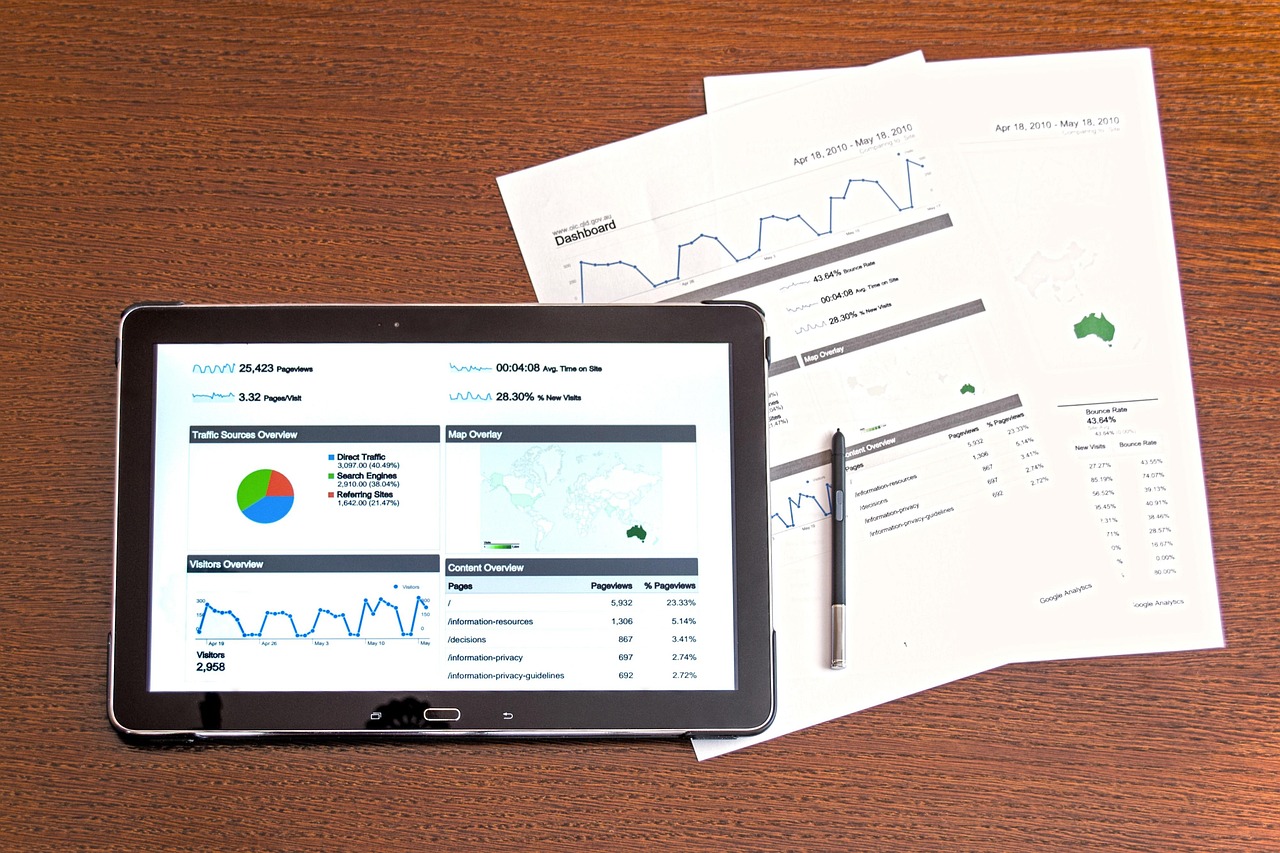
The role of data visualization cannot be understated when discussing global marketing budgets. Effective visualization tools can turn complex data into comprehensible insights. Marketers can utilize charts, graphs, and infographics to present budget information clearly, enabling teams to make quick decisions backed by data. Visually appealing representations of performance metrics enhance understanding during team discussions. Furthermore, these tools highlight key data points that inform strategic shifts in budget allocations. Stakeholders are more likely to engage with visual data, making it an essential tool for reporting and presentation. Techniques such as heat maps can unearth areas needing increased investment or those ripe for cost-cutting. Implementing data visualization not only aids in internal discussions but also improves presentations with stakeholders and investors. Clarity in presentations fosters confidence among decision-makers and aligns the team towards shared objectives. As competition intensifies globally, clarity in communication and analytics becomes crucial for success. Marketers who invest in data visualization capabilities can foster a culture of data-driven decision-making, which ultimately leads to smarter budgeting strategies and proposals. This advantage in presenting data effectively will lead to a better understanding of the global marketing budget allocation.
Importance of Continual Learning
The landscape of global marketing evolves rapidly, emphasizing the need for continual learning and adaptation. Marketers must stay updated on both industry developments and emerging trends influenced by data analytics. Regular training sessions and workshops can equip teams with the latest tools and methodologies for effective budgeting. Being well-versed in data analytics helps marketers identify new opportunities and potential pitfalls. Moreover, learning more about consumer insights allows brands to craft personalized marketing strategies that resonate with their audience. An organization that prioritizes learning fosters an adaptive culture where budgeting decisions grow smarter over time. These continuous efforts lead to enhanced skills in interpreting data, presented in actionable formats. By encouraging team members to attend industry seminars, participate in webinars, or subscribe to key journals, companies enhance their knowledge base. Such investment in education can pay dividends when it comes to budget decisions and marketing effectiveness. Encouraging a culture of curiosity and knowledge-sharing ensures that teams remain competitive, leading to sustainable growth. Ultimately, a strong emphasis on learning is essential for adapting budgeting strategies to ever-evolving global marketing demands.
In conclusion, efficient management of global marketing budgets is integral to successful international campaigns. Implementing data analytics transforms how companies allocate marketing resources. The insights derived from these analytical practices help organizations remain agile in a dynamic business environment. As demonstrated throughout this article, leveraging technology, visualization tools, and continual learning fosters a comprehensive approach to budget management. Marketers must conduct thorough research, analyzing both external market conditions and internal performance metrics, to make informed decisions. Furthermore, embracing a culture that prioritizes adaptability will enhance overall marketing effectiveness. Companies that utilize data-driven strategies to navigate their spending will likely achieve better returns on their marketing investments. The importance of data analytics is a continuous learning process, pivotal in evolving marketing landscapes. With the integration of data analytics, brands can forecast better and strategize step-by-step to optimize their marketing budgets. Meanwhile, understanding consumer behavior will lead to more informed spending choices. Ultimately, the synergy between data analytics and marketing will fuel growth in the competitive global market. Organizations ready to embrace change and harness the power of data analytics will find success in their global marketing efforts.
To implement these strategies effectively, brands must invest in the right talent and resources. Hiring or training employees skilled in data analytics is essential, as the right expertise can make a considerable difference in managing global budgets. Building a knowledgeable team empowers marketers to assess data critically and make informed decisions accordingly. Companies should foster collaboration between marketing teams and data specialists. Together, they can interpret complex data more intuitively and utilize insights effectively. Establishing clear objectives will also streamline budget discussions, ensuring everyone is aligned in their goals. Utilizing advanced analytics tools will provide marketers with robust insights to allocate resources effectively. Therefore, an integrated approach where data analytics meets marketing strategy ensures companies can adapt to changing market conditions while optimizing their budgets. Brands should also remain flexible, as responding quickly to market fluctuations is key to maintaining relevance. Employing a responsive adjustment strategy will ensure organizations are equipped for changes in consumer preferences and global economic factors. Over time, this adaptability will strengthen relationships with consumers, ultimately providing a competitive edge. Embracing such a comprehensive, data-informed approach to budgeting paves the way for sustainability and growth.
Considering the importance of integrating customer feedback into budget decisions is essential. Brands must actively engage with their audiences to understand their needs and preferences better. This engagement can be achieved through surveys, social media interactions, or feedback forms following campaigns. By analyzing this qualitative data in conjunction with quantitative analytics, marketers gain a more holistic view of performance and customer sentiment. This dual approach facilitates better resource allocation tied directly to customer expectations and market demands, ultimately guiding budget adjustments. Additionally, brands should strive to develop customer-centric marketing strategies based on this feedback. Focusing on customer experiences will lead to improved brand loyalty and long-term growth. Understanding the nuances of how marketing activities are perceived will directly influence future budget decisions. As a result, organizations must remain attuned to their customers continually. By incorporating client insights into the budgeting process, companies can pivot accordingly and ensure that marketing materials resonate with their target audience. This insightful approach ultimately strengthens brand positioning and effectiveness in a global marketplace. Thus, utilizing customer feedback becomes fundamental to shaping the future of marketing budgets.