
The Dangers of Phishing Emails and How to Avoid Them
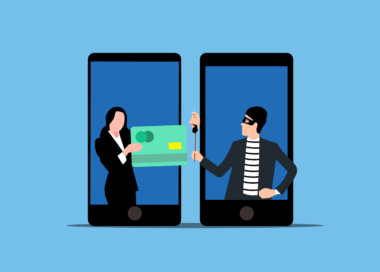
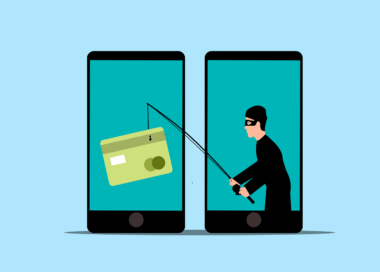
Phishing emails have become an increasingly prevalent issue in today’s digital age, threatening consumers worldwide. Such scams impersonate legit organizations, tricking individuals into revealing private information like passwords or bank details. Cybercriminals often use trusted brand names to lend credibility to these fraudulent messages. This manipulation exploits psychological tactics, creating a sense of urgency or fear. For instance, a common strategy involves alerting recipients of a supposed account breach, prompting them to act quickly without verifying the source. Phishing tactics are continually evolving, making it harder for users to spot red flags. Understanding common characteristics of phishing emails is crucial for damage prevention. Typically, these messages contain generic greetings instead of personalized approaches, poor grammar, and suspicious links that might direct victims to fraudulent websites. Therefore, learning what to look out for is vital. Always scrutinize email addresses carefully, even if they appear valid at first glance. If you’re ever in doubt about an email’s authenticity, don’t click on any links or respond directly to the message, as doing so may put your personal information at risk.
Cybersecurity experts recommend proactive measures to combat phishing emails effectively. First and foremost, users should equip their email accounts with spam filters to identify potentially harmful messages. Additionally, regularly updating your passwords and ensuring they are strong can provide a higher level of security. It’s advisable to use unique passwords for different accounts and to consider employing a password manager to maintain complexity and variation in your credentials. Moreover, educate yourself and others about the tactics employed in phishing schemes. Awareness is a powerful tool; the more people are informed, the less likely they will fall victim to these scams. Businesses can further enhance safety by conducting phishing simulations to assess employee awareness and preparedness. These simulations help identify vulnerable areas needing additional training. Furthermore, enable two-factor authentication wherever possible. This extra layer of protection requires a second verification step and significantly reduces the risk of unauthorized access. Finally, always back up important data regularly, ensuring you can recover lost information if something goes wrong. Regardless of age or tech-savviness, everyone can benefit from these practices in a continuously evolving digital landscape.
Recognizing Phishing Signals
The ability to recognize phishing signals is crucial for maintaining online safety. Look for common indicators typical of phishing attempts, such as urgent or threatening language. Emails that create a false sense of urgency, like claiming your account will be suspended unless you confirm your details, should raise suspicion. Additionally, be wary of emails demanding that you take immediate action. Legitimate organizations often ask for verification more discreetly. Another common sign of phishing includes the presence of generic greetings. Instead of addressing you by name, many phishing emails use phrases like “Dear Customer,” indicating that the sender has not tailored the communication. Furthermore, pay attention to spelling and grammatical errors in the content. Professional companies typically proofread their messages carefully, and mistakes can indicate malicious intent. Links within suspicious emails may lead you to fraudulent websites designed to steal your information. Instead of clicking, hover your mouse over the link to preview the URL. If it appears strange or untrustworthy, do not engage with it. These fundamental tips will help protect your sensitive information while navigating your email inbox.
In addition to recognizing phishing signs, it’s essential to employ best practices while handling emails. Always verify the sender’s email address before taking any action. Phishers often change one letter or use alternative domains to impersonate legitimate sources. If you receive a suspicious email claiming to be from your bank, contact them using official communication channels to validate its authenticity. Relying on the information provided in the email itself can lead to allowing cybercriminals access to your sensitive data. Moreover, do not share personal or financial information through email, even if the request appears legitimate. Legitimate companies typically never ask for such details through email, especially sensitive facts like your Social Security number or full credit card details. Be cautious of attachments, as they may contain malware designed to infect your device. Even if the email seems harmless, it’s best to avoid opening any attachments from unknown senders. Regularly update your antivirus software to protect against potential threats. By incorporating a combination of awareness and strict protocols, your chances of falling victim to phishing scams will diminish significantly.
Reporting Phishing Attempts
Reporting phishing attempts is a collective responsibility and is essential in combating this menace effectively. If you suspect an email to be a phishing attempt, report it immediately to your email provider. Most email platforms have user-friendly systems in place to assist with reporting such incidents. For instance, Gmail users can easily report phishing emails by clicking the three dots on the right corner of the email. Additionally, consider forwarding suspicious emails to organizations that specialize in digital security or fraud prevention. In the United States, for example, forwarding the emails to the Federal Trade Commission (FTC) at [email protected] helps authorities address these scams. Don’t forget to report phishing attempts to the legitimate company that was impersonated in the email. This action can help them improve their security measures and inform their customers about ongoing threats. If you’re ever threatened with personal security leaks or fraudulent activity, promptly contact your bank or relevant financial institution. They can provide guidance on protecting your accounts and what steps to take next. In doing so, you contribute to a safer online community.
While the digital landscape can be treacherous, especially regarding phishing, staying vigilant and informed is key. This article has outlined critical steps for recognizing, avoiding, and reporting phishing attempts effectively. As technology advances, so do the methods employed by cybercriminals, making it essential to adapt and enhance security protocols continually. Everyone, from individual users to corporate entities, must prioritize their cybersecurity education. Engaging in regular training about identifying phishing tactics can arm you with the knowledge to protect yourself effectively. Encourage your friends, family, and colleagues to adopt similar practices. By fostering an environment of awareness, we create a community less susceptible to scams. Remember that vigilance plays a crucial role in your digital life; regularly scrutinizing your communications will empower you to spot potential threats. Furthermore, gamifying the learning process about phishing can enhance engagement and retention. Finally, subscribe to newsletters or forums focusing on online safety—staying current on trends in phishing can provide insight into emerging threats. Ultimately, embracing these strategies can help you navigate the online space safely and protect your sensitive information long-term.
Conclusion
In conclusion, understanding and combating phishing scams is vital in today’s online world. Phishing scams can happen to anyone, regardless of background or technical expertise. By enhancing your knowledge of these scams, you are taking proactive measures to protect yourself and your data. This involves recognizing common phishing signs, implementing best practices, reporting attempts, and fostering an informed community. As these threats continue evolving, staying up-to-date on potential risks and strategies is essential. Cybersecurity is a shared responsibility; taking steps to improve your security can help build a safer internet for everyone. Understanding the dangers posed by phishing emails, we can mitigate risks by creating a culture of vigilance and education. Encourage discussions about online safety in your circles and collaborate to develop effective strategies for recognizing scams. By remaining actively engaged with ongoing security training and awareness, you not only protect yourself but also play a role in safeguarding the broader community. The digital world is undoubtedly fraught with peril, but by taking these proactive steps, we can successfully navigate these challenges head-on.