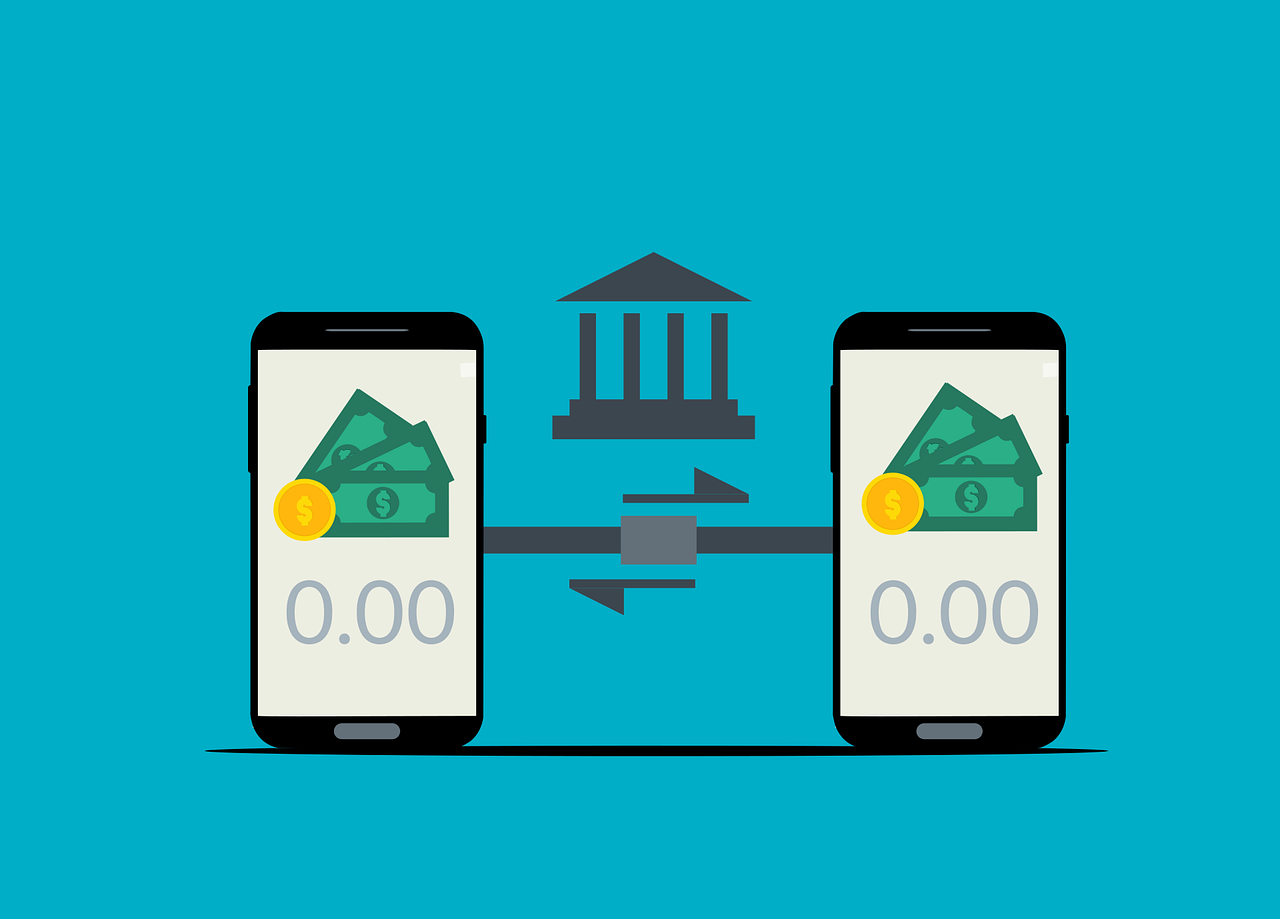

Personalized Financial Services Through Mobile Banking Apps
In today’s digital age, personalized financial services offered through mobile banking apps have revolutionized how individuals manage their finances. Mobile banking apps provide users with a platform to perform various banking operations conveniently. Features such as checking account balances, transferring funds, and paying bills have become simplified through intuitive app interfaces. Additionally, the integration of advanced technologies like artificial intelligence and machine learning empowers these apps to offer tailored recommendations. For financial institutions, providing a personalized experience fosters customer loyalty and increases user engagement. Personalization involves analyzing individual spending habits to propose better financial products and services. Security is paramount in mobile banking applications, ensuring users’ information is safeguarded through advanced encryption methods. Furthermore, personalized communication through push notifications keeps users informed about their account activities and any promotions. The approach of creating a custom banking experience is gaining momentum, largely based on customer feedback and preferences. Overall, mobile banking apps continue to innovate and streamline personal finance management, making financial services more accessible to users across various demographics. This evolution is reshaping how people interact with their money, leading to greater financial literacy and control.
As mobile banking apps evolve, the focus on user experience becomes even more crucial. Intuitive design plays a significant role in attracting new users and ensuring existing ones remain engaged. App developers are continually refining interfaces through user feedback and usability testing. A user-friendly experience combined with robust functionalities creates a win-win scenario for both consumers and banks. Gone are the days of users being overwhelmed by cluttered menus; banks are now prioritizing a clean design that guides users seamlessly through the app. Moreover, offering features like bill reminders, budgeting tools, and detailed transaction histories enables users to make informed financial decisions. Integration with third-party services such as investment platforms enhances the overall value of these apps. This allows users to monitor investments alongside their bank accounts without switching applications. Additionally, mobile banking enables financial institutions to collect valuable data on user behavior. This data can improve service offerings and tailor marketing strategies, resulting in better customer satisfaction. Hence, the race for a superior user experience is shaping the future of mobile banking technologies, driving advancements that cater to diverse financial needs of today’s consumers.
Security remains a top concern for consumers using mobile banking technologies. As the demand for personalization grows, financial institutions must balance this with stringent security measures. Moreover, biometric authentication, such as fingerprint and facial recognition, enhances security while simplifying the login process. Users appreciate the layers of security that protect their sensitive financial information. The integration of secure technologies like blockchain could further enhance transaction safety. Customers are increasingly looking for apps that offer real-time fraud detection and alerts about suspicious activities on their accounts. Trust is a key component of the banking relationship, and by prioritizing security, banks can cultivate confidence among users. Additionally, educating consumers on best practices, such as recognizing phishing attempts or safeguarding passwords is essential. Financial institutions should consider implementing content aimed at educating users about security features and risks. Regular security updates and transparent communication regarding any potential data breaches are also critical. An informed customer base mitigates risks for financial institutions, creating an ecosystem where security and user experience coexist. Thus, addressing security proactively is vital for retaining loyal customers in a competitive landscape.
The Role of AI in Enhancing Personalization
Artificial Intelligence (AI) is at the forefront of enhancing personalization in mobile banking apps. Through data analysis, AI algorithms can identify user behavior patterns, predicting needs and preferences effectively. By leveraging AI, banks can customize services ranging from product suggestions to personalized financial advice, tailored to individual users. For instance, if a user frequently spends a significant amount on groceries, the app might alert them of budgeting techniques or special offers related to their purchases. Furthermore, AI-powered chatbots provide instant support to users, addressing queries efficiently and improving customer satisfaction. These chatbots are available 24/7, making assistance accessible at any time. Additionally, machine learning assists in assessing loan eligibility by analyzing a user’s financial history, enabling faster loan approval processes. The evolution of predictive analysis is pivotal for banks seeking to maintain relevance in a competitive marketplace. As financial institutions adopt AI for personalized services, they find that user retention rates improve significantly. Embracing technological advancements will continue to play a fundamental role in shaping the future of mobile banking and overall customer experience in financial technology.
Integrating mobile banking apps with financial education tools is becoming more common. Personalized financial services extend beyond just banking transactions; providing educational content adds substantial value. Features such as budgeting workshops, articles on managing personal finances, and tutorials about investment options allow users to enhance their financial literacy. By incorporating gamification elements, such as challenges and rewards for completing educational modules, these apps make learning enjoyable. Users are more inclined to engage with content that rewards them and integrates seamlessly into their banking experience. Furthermore, financial literacy programs can be tailored to specific demographics, ensuring they are relevant and accessible to various user groups. Mobile apps now serve as platforms not just for transactions but also for empowerment through education. The partnership between financial institutions and educational entities can amplify these initiatives, creating programs that resonate with the users’ financial journey. This innovative approach reinforces the financial wellness of users by helping them develop sound financial habits. Additionally, educated customers lead to healthier financial decisions, which in turn benefits financial institutions. Thus, combining education with banking services represents a forward-thinking strategy for future mobile banking technologies.
Another vital aspect of personalized financial services is user feedback. Mobile banking apps need to harness user feedback effectively to improve functionalities continuously. By actively seeking reviews and suggestions, banks demonstrate a commitment to fulfilling customer needs. This feedback loop can enhance user satisfaction and retention significantly. Users appreciate when their voices are heard, leading to a sense of ownership over the banking service they utilize. Incorporating optional surveys post-use can give valuable insights into user experiences. Data from these reviews can highlight weaknesses in app features that need enhancement or showcase successful areas that can be expanded. Regular updates based on user suggestions keep the app feeling fresh and aligned with customer expectations. Furthermore, engaging customers in beta testing for new features encourages participation and allows users to contribute directly to the app’s development. Ultimately, leveraging user feedback not only improves functionalities but also strengthens the relationship between banks and their customers. This practice fosters loyalty by creating trust, showing that banks prioritize customer needs and are committed to providing an exceptional personalized banking experience.
Future Trends in Mobile Banking
The landscape of mobile banking is ever-evolving, with future trends pointing towards greater advancements in technology. One prominent trend is the increased adoption of open banking. Open banking offers consumers the ability to share financial data securely with third-party providers, creating a competitive environment that drives innovation. This means that users can access a broader range of financial products seamlessly integrated into their banking apps. Additionally, as digital currencies become more prevalent, many banking apps will likely incorporate cryptocurrency transaction capabilities, reflecting changing consumer preferences. Enhanced personalization through predictive analytics will continue to be a key area of focus. Financial institutions must keep refining their algorithms to understand user behavior better, leading to more meaningful and insightful recommendations. Embracing emerging technologies such as augmented reality could also reshape the way users interact with their financial data. Moreover, as cybersecurity threats remain a concern, ongoing investment in security enhancements will be essential to maintain customer trust and ensure safe transactions. In this competitive arena, staying ahead of technological trends is crucial for banks to attract and retain customers in the dynamic world of mobile banking.
In conclusion, mobile banking apps play a vital role in providing personalized financial services. As technology continues to advance, users can expect increasingly tailored experiences that meet their unique financial needs. By leveraging tools such as AI, educational content, and user feedback, financial institutions can create banking environments that are both intuitive and secure. Engaging customers through personalized services strengthens relationships between banks and users, fostering loyalty and satisfaction. Furthermore, addressing concerns about security is critical for maintaining trust in mobile banking. As financial technologies develop, users will benefit from enhanced banking experiences that empower them to manage their finances confidently. The combination of user-centric designs and robust functionalities will pave the way for a new era in the financial services industry. Banks that prioritize personalization, education, and security will be the leaders in the mobile banking sector. Now, users have access to powerful tools that provide insights and recommendations, enhancing their financial literacy. Thus, the future of mobile banking holds great promise, making banking services more accessible and efficient than ever before.