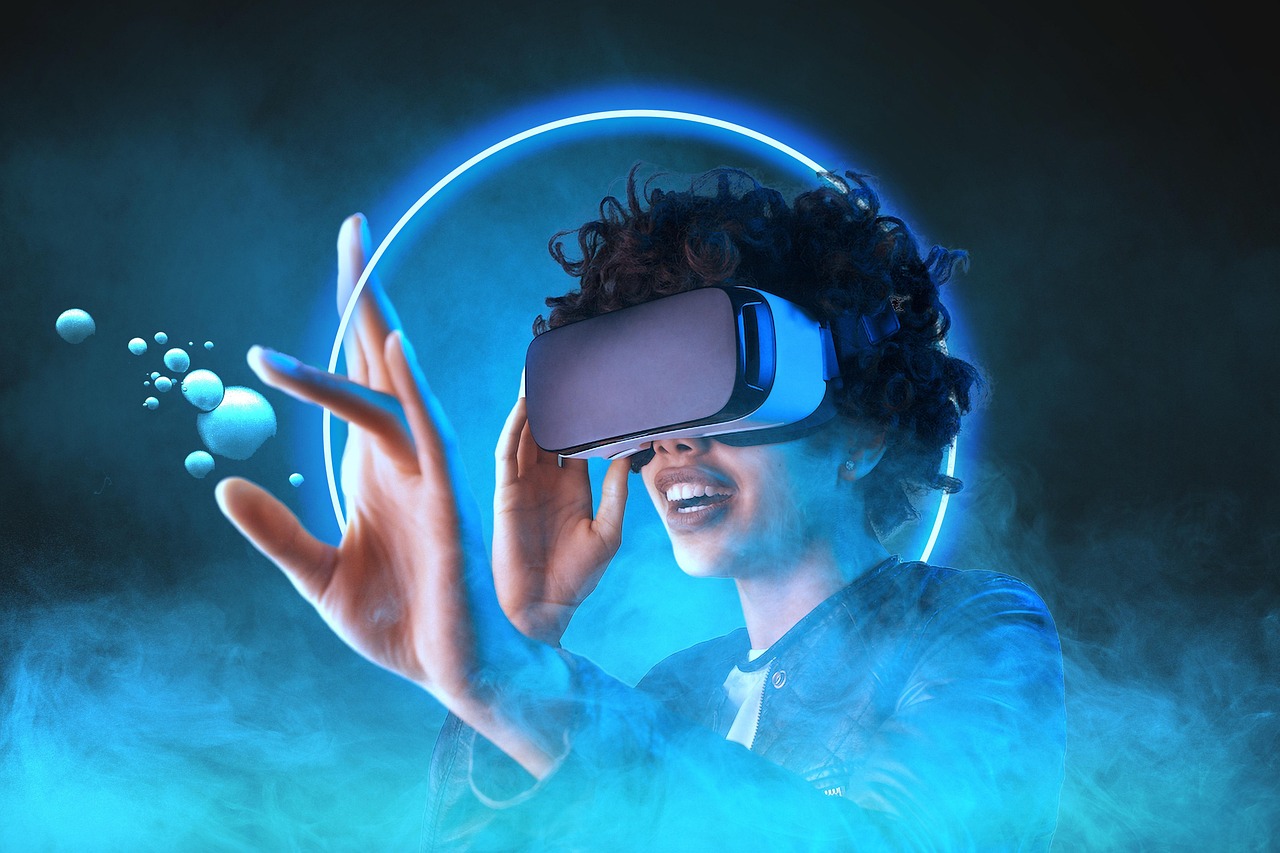

Augmented Reality’s Impact on Guerrilla Advertising
Guerrilla marketing has taken a bold step forward with the rise of augmented reality (AR). This innovative technique captivates consumers by merging the physical and digital worlds. In guerrilla marketing, the goal is to create surprising and memorable experiences with minimal resources. Integrating AR transforms traditional advertisements into interactive experiences, engaging users in their environments. Brands can leverage AR to stimulate curiosity and discussion. Consider how AR can enhance urban spaces; unique digital content superimposed onto real-world locations creates captivating experiences. Through AR, brands can create immersive storytelling opportunities. This approach can reinforce brand loyalty by creating stronger emotional connections. Spotify’s promotion of hidden concerts through AR exemplifies this; users discovered locations that hosted exclusive shows, blending music and exploration. By using location-based AR content, brands can connect deeply with their audience. Guerrilla marketing like this lends itself to social sharing, which amplifies reach. The result? Effective guerrilla marketing campaigns are not just advertisements; they become experiences that customers want to share, discussing and promoting them on social media platforms. The integration of AR in guerrilla marketing truly revolutionizes how brands connect with their audiences, positioning them at the forefront of innovative advertising.
In addition to enhancing engagement, augmented reality positively impacts measurement and analytics. With traditional guerrilla marketing, gauging a campaign’s effectiveness often proves challenging. However, AR technology allows brands to track user interactions seamlessly. For example, businesses can monitor how many individuals accessed AR experiences via their mobile devices. Metrics such as dwell time and user movements offer insights into campaign effectiveness. Analysis tools linked to AR applications empower marketers to refine their strategies ultimately. When evaluating the performance of guerrilla marketing tactics, the combination of creativity and data analytics enables continuous improvement. Imagine potential customers walking past interactive installations and receiving instant feedback through augmented experiences. This responsive technology shifts the focus from passive to active participation, encouraging users to engage more profoundly with the brand. Such data-driven insights lead to targeted follow-ups, fostering a sense of personalization. Highly personalized messages resonate more with the consumer. Further, by analyzing engagement patterns, businesses can uncover untapped opportunities to refine guerrilla marketing tactics. Therefore, AR technology not only transforms the consumer experience but also equips brands with valuable information that drives future decisions in guerrilla marketing campaigns.
The future of guerrilla marketing continually evolves as digital technology progresses. Emerging technologies like 5G are expected to exponentially enhance augmented reality experiences. With higher data transmission speeds, users can access AR content in real-time, making the experiences seamless and immersive. Additionally, as AR-capable devices become increasingly pervasive, more consumers can participate in guerrilla advertising campaigns. Adoption rates for smartphones are shooting up, leading to greater potential user engagement. Consider companies implementing AR in live events or public spaces; they can create interactive experiences that audiences never forget. These events can significantly elevate brand visibility. Brands that adopt this technology can also foster a unique identity. For instance, as AR technology improves, companies can create bespoke experiences targeting specific demographics, generating excitement. Future guerrilla marketing campaigns will likely incorporate virtual reality elements, pushing boundaries and creating multi-sensory experiences. In conclusion, the intersection between guerrilla marketing and emerging technologies creates immense potential for brands willing to innovate. All the while, marketers must stay adaptable to changes in consumer preferences and technological advancements for effective implementation.
In today’s digital age, consumer behavior continually shifts, driven by the prevalence of social media. Augmented reality offers guerrilla marketers a fresh strategy to harness this dynamic environment. Social media platforms facilitate sharing and engagement; effective guerrilla marketing campaigns leverage these channels for wider reach. Interactive AR experiences can encourage users to share content across social media, effectively promoting guerrilla campaigns. Businesses that prioritize social engagement create a sense of community, allowing word-of-mouth marketing to thrive. When users discover AR promotions, they are likely to document and share their experiences, thus driving organic growth. Brands like IKEA already embrace AR, letting consumers visualize furniture in their homes before purchase. This interactive display generates buzz and encourages potential customers to share the experience digitally. As AR technology incorporates social features, further interactions emerge; users can engage by locating hidden elements or unlocking rewards tied to specific locations. This combination enhances loyalty and advocacy within brands. Additionally, they should explore influencer collaborations to amplify this strategy; influencer marketing can instigate viral campaigns, allowing AR experiences to reach broader audiences organically.
Sustainability is another crucial consideration for brands seeking to implement guerrilla marketing tactics. Augmented reality aligns seamlessly with eco-friendly practices, reducing the need for physical materials and promoting sustainability. By focusing on digital engagement rather than traditional advertising formats, brands minimize waste. AR technologies create experiences without extensive physical installations, which lowers carbon footprints. Furthermore, brands adopting AR showcase their commitment to sustainable innovations, resonating with environmentally conscious consumers. As trends shift, consumers increasingly prefer brands that contribute positively to society. Guerrilla marketing campaigns championing sustainability can yield both engagement and brand loyalty. Businesses can create educational experiences focusing on significant environmental issues, raising awareness while promoting their products. Successful AR-driven campaigns can inspire consumers to rethink their habits. For example, brands promoting sustainable products can use AR to demonstrate their positive environmental impact dynamically. By harnessing technology in a responsible and engaging manner, brands not only reach their target audiences but also foster values that resonate. Embracing sustainability through innovative guerrilla marketing tactics propels brands toward a brighter, eco-conscious future.
While engagement and awareness rank high among marketing goals, boosting conversions remains a prime objective. Augmented reality in guerrilla marketing can lead to increased sales and conversions by delivering memorable experiences. AR technology immerses users in interactive campaigns. This deep level of engagement often leads to strong emotional responses. Consequently, customers become more inclined to make purchases. For example, brands implementing AR experiences can allow customers to visualize products in their environments. Enhanced product visualization helps consumers feel more confident in their purchasing decisions. Further, by creating compelling narratives around products, brands can boost consumer interest, ultimately leading to sales conversions. News outlets frequently highlight innovative marketing campaigns using AR, showcasing case studies of successful implementations that drove results. Understanding the nuances of consumers’ needs is essential when crafting these experiences. As more brands tap into this technology, the competitive landscape intensifies; staying ahead demands forward-thinking and a willingness to adapt. Brands prioritizing intuitive designs and seamless interactions will appeal to the increasingly discerning consumer. Ultimately, merging augmented reality with guerrilla marketing has the potential to elevate brand experiences and conversions in exciting ways.
As the landscapes of both augmented reality and guerrilla marketing continue to evolve, future innovations are on the horizon. Brands must stay informed about technological advancements to reap maximal benefits from AR applications. Emerging trends hint at significant developments, including machine learning and artificial intelligence combined with AR. Such technologies can create personalized experiences tailored to individual users based on their preferences and behaviors. Additionally, as AR platforms become more mobile-friendly, guerrilla marketing campaigns will experience the long-awaited boost in accessibility across diverse demographics. Moreover, collaboration between brands can also create unique AR experiences. Partnerships can lead to shared innovation, expanding market exposure while minimizing costs. Industry leaders must remain adaptable, allowing them to pivot based on consumer trends and behaviors. Since technological capabilities are constantly advancing, brands can continuously refine their approach to guerrilla marketing using AR. As brands create new possibilities for engagement, they can build lasting relationships with their audiences. Engaging consumers meaningfully fosters loyalty and authenticity. Overall, the future of guerrilla marketing infused with augmented reality presents exciting avenues for innovation, setting the stage for remarkable experiences that capture attention.
In summary, augmented reality is redefining guerrilla marketing. Innovative strategies enhance consumer engagement, provide valuable insights into campaign performance, and promote sustainable practices. The intersection of technology and creativity allows brands to create memorable experiences that resonate with audiences. As we look ahead, brands embracing AR within guerrilla marketing will thrive in a dynamic landscape. Understanding emerging trends and adapting strategies will prove crucial for success. Collaborative endeavors, focusing on consumer experiences, and sustainability can foster a bright future in marketing. The potential remains vast as new technologies continue to emerge, providing more opportunities for innovation.