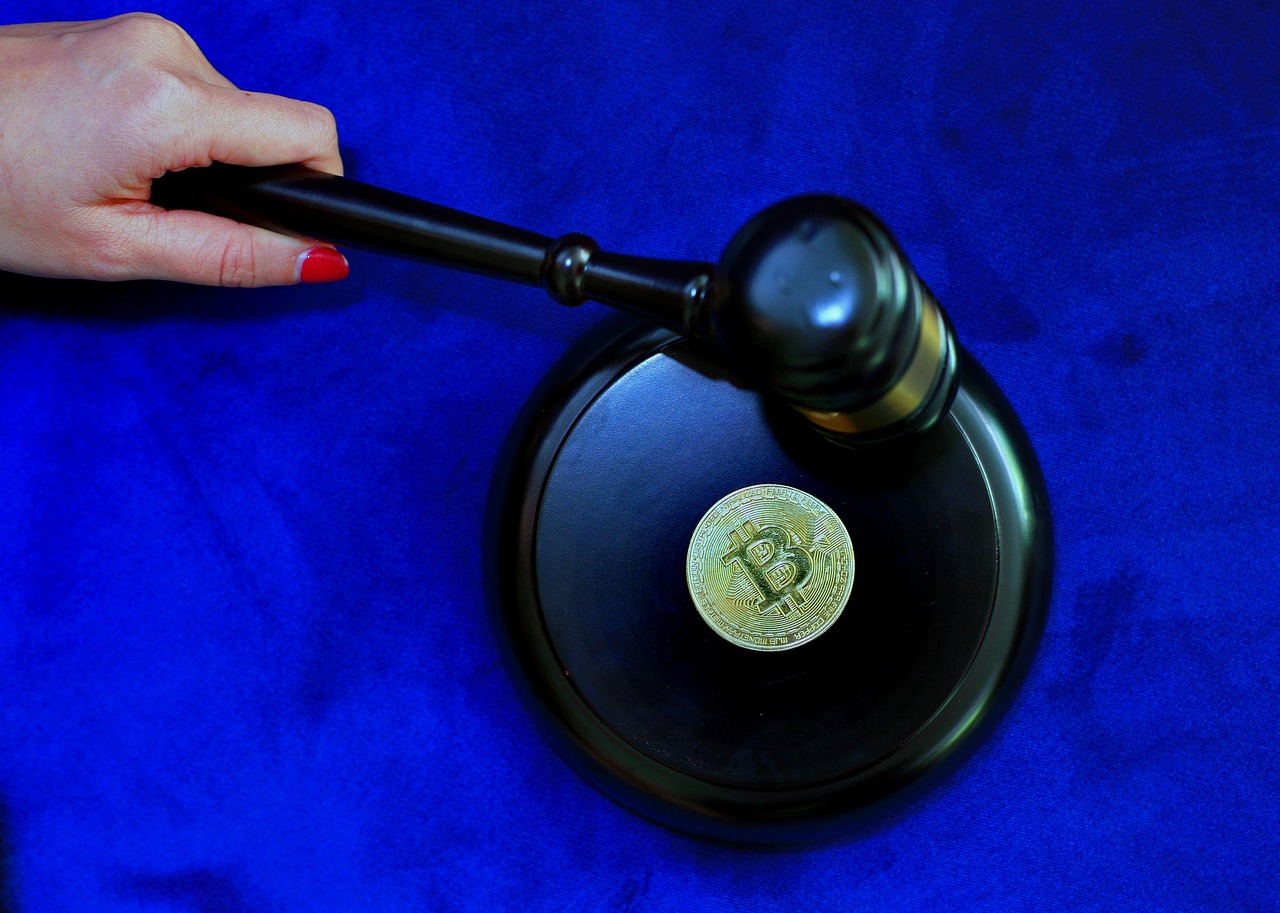

The Future of Cryptocurrency Regulations: Global Trends to Watch
The landscape of cryptocurrency is rapidly evolving, and with it comes a pressing need for regulation. Various countries are approaching cryptocurrency governance differently, reflecting their unique economic structures and cultural attitudes. Many jurisdictions are striving for a balance between fostering innovation and ensuring consumer protection. For instance, Europe has proposed a comprehensive regulatory framework that aims to safeguard users while enabling cryptocurrency businesses to flourish. In contrast, countries like China have opted for strict bans on financial activities involving cryptocurrencies, citing concerns over financial stability and fraud. Moreover, regulatory bodies worldwide are recognizing the importance of developing a coherent approach to digital currencies. This trend suggests a shift towards more uniform regulations as nations come to understand the global implications of cryptocurrency. As such, monitoring these regulatory developments across different regions is essential for stakeholders in the digital currency ecosystem. A clear understanding of these trends can facilitate better decision-making for investors and businesses alike, allowing them to navigate this complex landscape more effectively.
One notable region shaping the future of cryptocurrency regulation is North America. The United States is seeing a wave of regulatory guidance emerge from various federal agencies. The Securities and Exchange Commission (SEC) is actively engaging with cryptocurrency firms to clarify which digital assets qualify as securities and which fall under a different regulatory framework. This uncertainty has led many companies to adopt a wait-and-see approach while seeking legal counsel on compliance matters. Meanwhile, Canada has developed a relatively progressive regulatory framework by implementing a licensing regime for cryptocurrency exchanges. This provides a clear pathway for compliance, fostering confidence among consumers. Cryptocurrency users benefit from increased protection without stifling innovation. In Mexico, regulators are also grappling with how to incorporate cryptocurrencies into existing financial laws. The challenge lies in balancing the need for oversight with the inherent decentralized nature of these digital assets. This evolving stance on cryptocurrency in North America illustrates the myriad ways regions address regulation while emblematic of the global discourse on digital currencies.
In Asia, there exists a diverse tapestry of regulatory approaches to cryptocurrency that significantly affect the market. Countries such as Singapore have embraced a forward-thinking regulatory model, keen on attracting blockchain innovation by creating a comprehensive legal framework. The Monetary Authority of Singapore (MAS) aims to support the growth of cryptocurrency businesses while ensuring consumer protection. This has contributed to Singapore’s status as a leading hub for crypto and blockchain development in Southeast Asia. Conversely, neighboring regions like India and Pakistan face more stringent regulatory landscapes, reflecting government apprehensions regarding financial risks. India has fluctuated wildly in its stance, transitioning from outright bans to discussions of regulatory frameworks to govern cryptocurrencies. Such uncertainty continues to impact investor sentiment, causing advocates to push for clearer regulations. Meanwhile, countries like Thailand have introduced laws ensuring that digital assets are subject to financial regulations, thus legitimizing the industry while providing safeguards for users. As such, Asia remains a microcosm of global cryptocurrency regulatory trends, ranging from supportive to restrictive measures.
Europe’s Progressive Regulatory Landscape
Europe is at the forefront of cryptocurrency regulation, aiming to balance innovation with consumer and market security. The European Union (EU) has proposed the Markets in Crypto-Assets (MiCA) regulation, which seeks to provide a comprehensive framework for cryptocurrency markets across member states. This initiative aims to create a harmonized approach, offering legal clarity to businesses navigating the regulatory waters. Additionally, by establishing a baseline standard, MiCA intends to safeguard consumers and foster trust in crypto markets. The EU’s proactive steps contrast sharply with regions imposing outright bans on cryptocurrency activities. Countries like Switzerland and Estonia have developed conducive regulatory environments, facilitating blockchain innovation and attracting numerous startups. Such initiatives underscore Europe’s commitment to becoming a global leader in the digital assets space. Enhanced regulatory clarity could pave the way for increased adoption of cryptocurrency by institutional investors, further legitimizing the industry. By providing guidelines that support sustainable growth, Europe is effectively setting precedence for how the rest of the world may adopt or adapt their regulatory frameworks accordingly.
Latin America is also witnessing a surge in cryptocurrency adoption, bringing forth its own regulatory challenges and opportunities. Nations like Brazil are exploring possibilities to regulate cryptocurrencies while promoting financial inclusion. The Brazilian government has proposed legislation that could ensure greater consumer protection and clarity within the crypto sector. Meanwhile, Argentina acknowledges the growing use of digital currencies amidst economic instability. As inflation rises, citizens are increasingly turning to cryptocurrencies as alternative financial instruments. However, this creates a regulatory conundrum, as officials struggle to create effective frameworks that can address the complexities of an increasingly decentralized economy. Furthermore, the volatility of cryptocurrencies raises questions about consumer protection, prompting lawmakers to consider safeguards while not obstructing innovation. In other parts of Latin America, countries like El Salvador have taken bold steps by adopting Bitcoin as legal tender. This demonstrates an innovative regulatory approach aimed at driving economic growth. As governments in this region continue assessing cryptocurrency’s potential benefits, regulators must remain vigilant to emerging trends and consumer needs while crafting effective legislation.
African nations are observing a rapid evolution in their approaches to cryptocurrency regulation, with varying degrees of acceptance and skepticism. Countries like Nigeria have demonstrated significant interest in cryptocurrencies, prompting their central bank to explore digital currency regulations to accommodate the growing user base. Nigeria recently witnessed a surge in blockchain adoption, primarily due to its young and tech-savvy population seeking alternatives to traditional banking systems. However, regulatory clarity remains elusive, as the government grapples with conflicting stances on cryptocurrency activities. In contrast, nations such as South Africa are moving toward formalized frameworks to embrace cryptocurrencies while ensuring compliance with anti-money laundering laws. This evolution showcases Africa’s dynamic landscape of regulatory trends, characterized by innovation balanced with caution. Various organizations emphasize the importance of public education on cryptocurrencies and their implications, empowering consumers to make informed decisions. As cryptocurrencies gain traction, African regulators will continue fine-tuning their approaches to strike an optimal balance between fostering innovation and safeguarding economic stability. This makes monitoring developments in Africa essential for understanding the broader global regulatory narrative.
Global Collaboration and Future Outlook
While regional regulations vary widely, there is a growing recognition of the importance of international collaboration on cryptocurrency regulation. Organizations such as the Financial Action Task Force (FATF) are advocating for harmonized standards to mitigate risks, especially concerning money laundering and terrorist financing. A consistent framework across jurisdictions could facilitate smoother cross-border crypto transactions, benefiting users and businesses alike. Stakeholders in the cryptocurrency ecosystem are increasingly pushing for transparency and regulatory clarity as a pathway towards mainstream adoption. Countries that successfully implement robust regulatory frameworks will likely inspire others to follow suit, creating a ripple effect in developing comprehensive laws governing cryptocurrencies. Furthermore, the potential for global collaboration suggests that best practices may emerge, enhancing regulatory approaches while ensuring adequate risk management. The future of cryptocurrency regulation appears poised for evolution, influenced not only by regional developments but also by the interconnectedness of the global financial landscape. As stakeholders remain engaged in dialogues and strategies, a more cohesive global regulatory framework for cryptocurrencies may become conceivable, fostering sustainable growth and innovation within the space.
The future of cryptocurrency regulations will inevitably shape how users and investors interact with these digital assets. As governments and regulators globally continue to refine their approaches, market participants must remain agile and informed. Staying updated with regulatory developments is essential for navigating the complexities of the evolving cryptocurrency landscape. Entities that adapt to regulatory changes effectively will likely gain competitive advantages, while those that do not risk falling behind. Moreover, as public awareness and acceptance of cryptocurrencies grow, demand for clarity in regulations will intensify. Consumers will desire protections that ensure their investments are safeguarded against fraud and market volatility. In response, regulatory bodies will be tasked with developing frameworks that not only meet these expectations but also encourage innovation and growth in the sector. The concept of digital currencies is here to stay, presenting an opportunity for the creation of effective regulations that promote financial transparency. Ultimately, the interplay between innovation and regulation will define the trajectory of cryptocurrency. As such, ongoing dialogue among regulators, industry stakeholders, and the public will be crucial in shaping a future that balances the need for oversight with the fostering of beneficial advancements.