
Seasonal Strategies to Minimize Heating and Cooling Bills
Minimizing heating and cooling bills is crucial for any household aiming to save on energy costs. One of the best strategies is to focus on seasonal changes. During winter, ensure that windows and doors are sealed to prevent heat loss. Consider using insulation films on windows to enhance thermal protection. Additionally, setting your thermostat to an appropriate temperature can significantly impact your energy consumption. For instance, lowering the thermostat by just a few degrees during colder months can result in substantial savings over time. Use programmable thermostats to manage heating efficiently throughout the day. During the summer, instead of blasting AC, using ceiling fans can help circulate cooler air efficiently. Also, outdoor shading techniques, like planting trees or installing awnings, can prevent direct sunlight from heating your home. Make a habit of regularly maintaining your heating and cooling system to ensure efficiency. Clean filters, ducts, and vents periodically, which contributes to better airflow. Every small adjustment can add up, resulting in a more energy-efficient home and lower utility bills. Utilizing these strategies will not only help your budget but also contribute positively to the environment.
Insulation is key in reducing utility bills, especially during extreme temperatures. Proper home insulation acts as a barrier, minimizing heat transfer. Start by checking your attic, walls, and floors for possible insulation gaps. When enhancing insulation, use materials like fiberglass, cellulose, or spray foam. Ensure that your attic has adequate insulation levels as it is critical for keeping your home warm in winter and cool in summer. In addition to traditional insulation, using thermal blankets for water heaters can also have a positive impact. Another useful method is to insulate ductwork, which can lose significant heat or cool air if unprotected. Installing insulated doors and window sealing is also beneficial. For those seeking advanced solutions, consider using radiant barriers that reflect heat away in summer. For a solid return on investment, choose energy-efficient windows rated for thermal performance. It is also essential to evaluate your home occasionally. Look for energy audits or professional assessments to identify weaknesses. These steps not only help in reducing living expenses but they contribute to ahigher comfort level in your home environment throughout the year.
Smart Usage of Energy
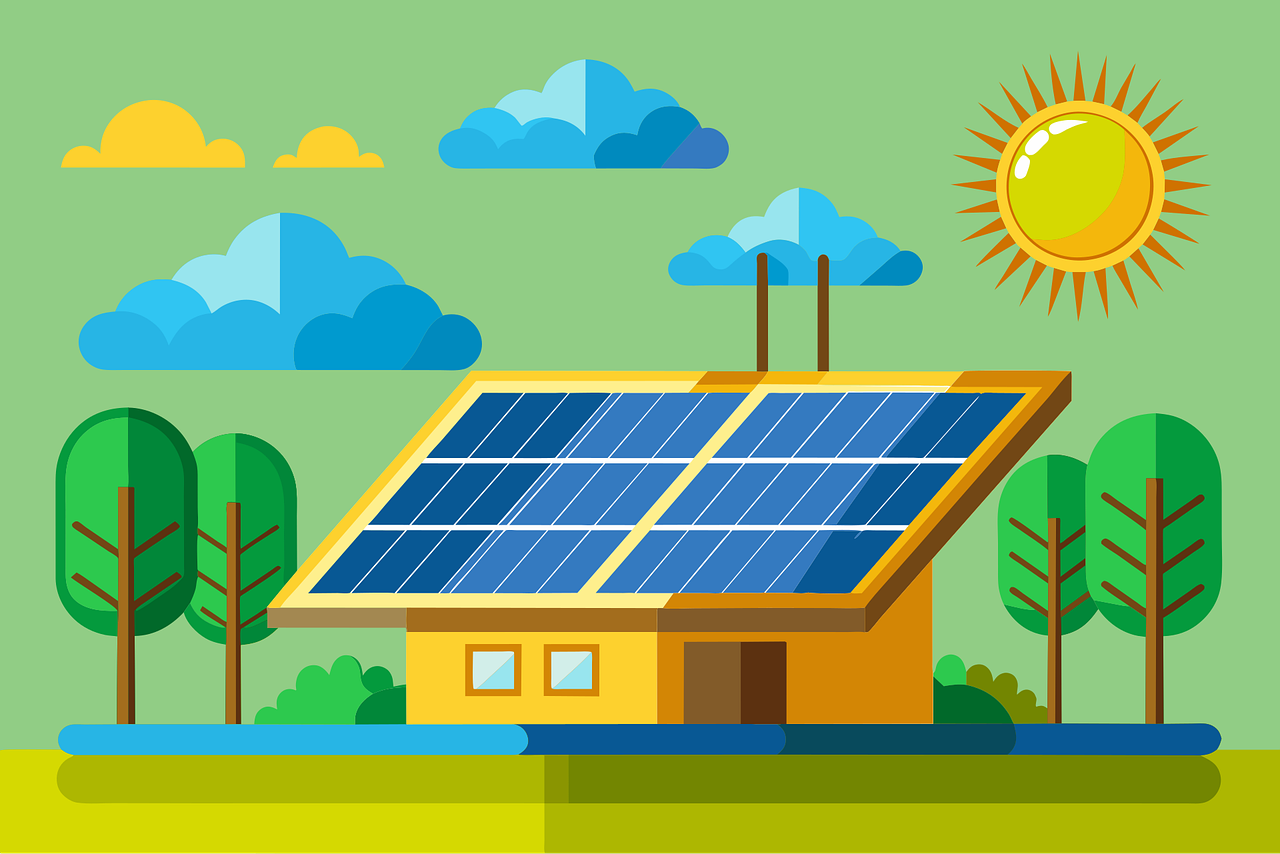
Smart energy usage can dramatically enhance your savings on utility bills. Start by adopting energy-efficient appliances that consume less electricity compared to traditional models. Look for appliances with the ENERGY STAR label, which guarantees energy savings. Additionally, it’s prudent to unplug devices that are not in use, as many continue to draw power in standby mode. Using power strips makes it easier to turn off multiple devices at once, minimizing energy waste. During peak usage hours, try to limit the use of high-energy consuming appliances, such as washing machines and dishwashers. Instead, run them during off-peak hours when electricity rates may be lower. Furthermore, consider solar energy solutions, which can reduce dependency on grid electricity. If feasible, investing in solar panels can provide long-term savings. By monitoring your energy consumption, you can identify patterns and adjust your habits accordingly. Apps and digital tools can assist in tracking usage and maximizing savings strategies. This conscious approach to energy consumption fosters a more sustainable lifestyle while beneficially impacting your utility expenses each month. Engage with your family regularly in these energy-saving practices to create a habit-driven environment.
Building awareness about the importance of natural ventilation can help significantly lower cooling costs. During mild days, open windows to allow fresh air to flow through your home instead of relying heavily on cooling systems. Strategically placing fans can also aid in enhancing airflow, allowing for comfortable temperatures without excessive air conditioning use. Utilizing night ventilation can contribute as well, cooling down your home overnight naturally. Ensure that window treatments, such as curtains or blinds, are used effectively to combat heat during the hottest parts of the day. Light-colored, thermal-backed curtains can keep warmth out in summer while retaining heat during winter nights. Another effective technique involves cross-ventilation; opening windows on opposing sides of your home encourages breezes to flow through efficiently, allowing cool air to circulate. Utilize vents in attics and basements to promote air movement. Also aim to minimize heat sources indoors during daytime, such as avoiding using the oven. Instead, prepare smaller meals using microwave or slow cooker methods. This holistic approach to comfort can result in superb lowering of utility bills while maintaining a pleasant internal environment year-round.
Utilizing Technology to Monitor Energy Use
There are various technologies available to effectively monitor energy usage in your home. Smart home devices, including programmable thermostats and digital energy monitors, allow you to track real-time consumption. These tools can also help make informed decisions regarding your energy usage patterns. Investing in a smart thermostat may yield substantial savings as they can automatically adjust temperatures based on your routine. Some models even learn your preferences over time to optimize energy efficiency. Additionally, many energy providers offer online tools for tracking your usage details and providing recommendations. Engaging with these tools equips you with the insight needed to make impactful changes. Regularly reviewing usage reports can reveal habits that may otherwise go unnoticed. For instance, simple adjustments such as turning off lights in empty rooms can lead to measurable savings. Using smart plugs allows for remote control of devices, enabling easy management of electronics. Furthermore, consider using apps that provide tips and strategies tailored to your specific energy consumption needs. By incorporating technology, you can streamline energy efficiency in your home while reducing your overall utility expenses. There is no doubt that these measures promote a sustainable and cost-effective living.
During seasonal transitions, it is essential to adapt your energy-saving strategies accordingly. For fall, focus on cleaning and maintaining heating systems to prepare for colder temperatures. Schedule professional checks for heating units to ensure they run efficiently. Make sure to change or clean the filters regularly to improve air quality and heating efficiency. As spring approaches, perform a thorough check on your air conditioning systems to ensure they are operational. Clean the outdoor condenser unit by removing debris for optimal performance. Closing blinds or shades during the day can also significantly reduce heat entry into your home during hotter months. Consider implementing energy-efficient practices when using water heaters, such as lowering their temperature settings. Another effective measure is to consider water-saving fixtures, which not only conserve water but reduce heating costs. Installing low-flow showerheads and faucet aerators can create a meaningful difference in utility bills. During the winter months, layering clothing indoors may allow you to lower thermostat settings slightly without sacrificing comfort. These effective seasonal strategies lead to a continuously improving, energy-efficient living space without compromising on comfort or quality of life.
The Impact of Behavioral Changes
Adopting behavioral changes can play a significant role in reducing utility bills as well. Simple actions, such as being mindful of energy usage, can lead to impressive savings. For example, making it a habit to turn off lights when exiting a room is crucial. Likewise, consider turning off appliances, like computers or televisions, when not in use. Engaging your family in energy-saving challenges can create fun, motivating environments. Monitor consumption closely, and try to achieve monthly savings goals, incentivizing participation with small rewards. Emphasizing the importance of energy conservation fosters awareness among family members. Additionally, making small adjustments in daily habits, such as using natural light instead of electric bulbs during daytime, can bring significant reductions. During colder months, wearing warmer clothing can make indoor heating more efficient. Involve everyone by designating roles to each family member for monitoring energy usage. This shared responsibility can strengthen understanding and commitment to saving energy. Remember, fostering a household-wide culture emphasizing sustainability not only improves utility bills but cultivates a more eco-friendly lifestyle. Over time, these behavioral changes will pay off significantly in terms of savings and benefits for the environment.
Improving the energy efficiency of your home, combined with strategic savings strategies, can lead to significant reductions in your utility bills year-round. When planning home improvements, prioritize updates that increase insulation, seal gaps and enhance overall energy performance. Even minor changes, like painting with reflective paint colors, can lower cooling costs substantially in summer. Regular maintenance tasks, such as clearing gutters and inspecting appliances for wear and tear, are also key. Look for energy-efficient options when purchasing new devices and HVAC systems. Training yourself to recognize which devices consume the most energy helps inform decisions about replacements. Before purchasing any new appliance, check for energy ratings to ensure it meets your efficiency standards. Take advantage of local government incentives for solar installations as well. Elevate your awareness of possible rebates when choosing energy-efficient renovations. These improvements often have long-term financial benefits that outweigh initial investment costs. Be proactive in researching financing options for energy-efficient upgrades. Over time, the collaboration of small measures can combine to produce a substantial overall impact on utility bills, making your home not just comfortable but also highly cost-effective.