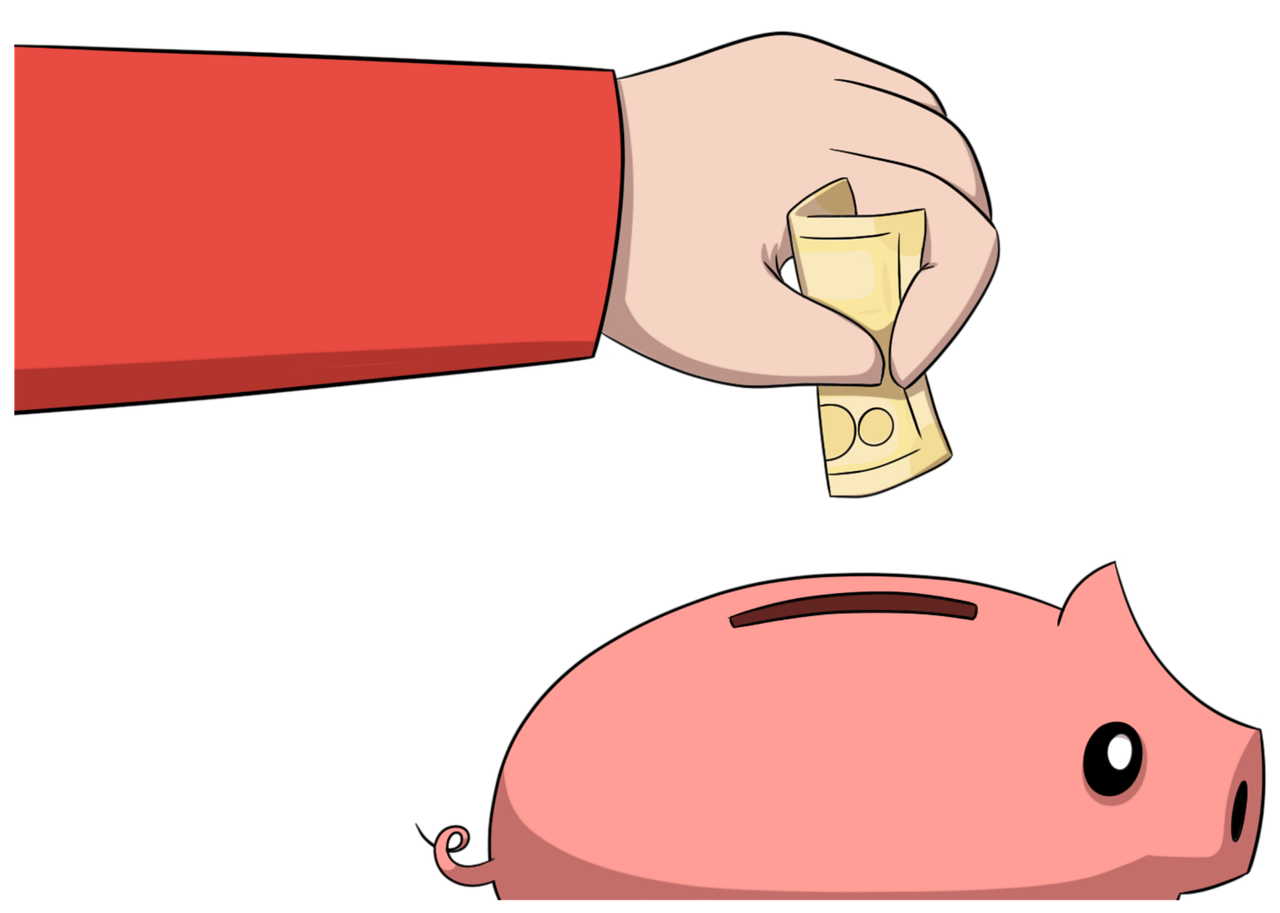

Balancing Savings and Spending in Your Personal Budget
Creating a budget can be an essential step toward financial stability. However, balancing savings and spending is often a challenge many face. First, it’s important to track your income and expenses meticulously. Use budgeting tools or apps that simplify this process. By gaining insights into where your money goes, you’ll identify areas to cut back. Aim to allocate a portion of your income for both savings and discretionary spending. Saving 20% of your income is a common practice. This can build a safety net for emergencies. Additionally, keep in mind to set specific financial goals, whether short-term or long-term. This could be saving for a vacation, a home, or retirement. Prioritizing these goals guides spending decisions and helps in maintaining a healthy budget. Finally, reviewing your budget regularly ensures that you stay on track. Adjustments may be necessary due to changes in income or unexpected expenses. In sum, a well-structured budget allows for savings while still leaving room for enjoyable expenditures, thus achieving a well-rounded financial life.
Establish Your Financial Goals
Setting clear financial goals is crucial when you want to balance saving and spending effectively. Start by defining your short-term goals, such as paying off debt or saving for a vacation. Long-term goals may include retirement savings or investing in property. Organizing your objectives can provide motivation, as you visualize the rewards of disciplined budgeting. After establishing these goals, create a plan to incorporate them into your budget. Allocate a certain percentage of your income to work towards these targets. This might mean adjusting your spending in other areas to ensure your goals remain a priority. Using visual aids, like charts, can help keep you focused on these targets. Regularly revisiting these goals also allows you to adapt to changing circumstances. For instance, if your salary increases, consider increasing your savings rate. Furthermore, ask yourself regularly if your spending aligns with your financial values. This reflection fosters mindful spending, encouraging you to prioritize what truly matters. In essence, defining and maintaining your financial goals lays the groundwork for a balanced budget.
Budgeting for flexible expenses is another essential strategy. Common variable expenses include groceries, entertainment, and dining out. To manage them efficiently, analyze your past spending patterns. This insight will help project reasonable estimates for future months. Aim to distinguish between needs and wants; the latter often leads to overspending if not monitored. Implementing a spending limit for entertainment can promote thoughtful choices. It’s beneficial to set aside a specific amount each month to enjoy without guilty feelings. Moreover, consider utilizing cash envelopes for discretionary spending categories. This approach provides a tangible way to visualize and control your expenses. Once the cash is gone, it’s gone. You may also try meal planning and shopping lists to avoid impulse purchases. Also, cuts are feasible without compromising lifestyle; for example, a movie night at home can be as enjoyable as a theater visit. In addition, educate yourself about discounts and coupons to maximize your savings. Overall, managing flexible expenses effectively contributes to better budgeting while allowing some room for leisure.
Building an Emergency Fund
An emergency fund is a financial cushion that provides peace of mind. This fund should ideally cover three to six months of living expenses, offering a safety net against unforeseen circumstances. Begin by setting small, manageable saving goals to gradually build your fund. Automatic transfers from your checking account to a high-yield savings account can simplify this process. Designate this account specifically for emergencies, keeping it separate from other savings. Furthermore, resist the temptation to dip into this reserve for non-emergency situations. Cultivating discipline here can enhance the fund’s reliability. It’s practical to have this fund available for unexpected bills, such as car repairs or medical expenses. During budgeting, remember to adjust your plan to reflect additional contributions to this fund. Achieving your emergency fund goal can provide a profound sense of financial stability and confidence. Additionally, regularly reassess the size of your fund as your life circumstances evolve. As income, expenses, or family dynamics change, adapt your targets accordingly. Ultimately, a robust emergency fund contributes significantly to a balanced and stress-free financial life.
Debt management is another crucial consideration for personal budgeting. High-interest debts, like credit cards, can consume financial resources rapidly. Start by listing your debts and interest rates to identify which ones require immediate attention. Prioritize paying off high-interest debts first while making minimum payments on others. Consider consolidating debts if possible; this can lower interest rates and simplify payments. A well-structured repayment plan can make the debt-reduction process more manageable. Utilizing the snowball method—paying off smaller debts first—can also provide psychological benefits, motivating you to tackle larger debts. Furthermore, refrain from accumulating new debt during this repayment phase. Consider lifestyle changes or temporary sacrifices to prioritize debt payoff effectively. Engage with financial counseling services if necessary to gain additional strategies and insights. Furthermore, celebrate small victories as you progressively become debt-free. Each step forward contributes to improved financial health. Ultimately, well-managed debt leads to a positive impact on your overall budget, allowing you to prioritize savings and future investments. This empowers a balanced lifestyle financially.
Reviewing and Adjusting Your Budget
Regular budget review is vital for maintaining financial control. Initially, set consistent times, such as monthly or quarterly, to evaluate your budget. This is an opportunity to assess potential adjustments based on your spending behaviors or life changes. By reviewing your financial goals, you ensure that they remain relevant and realistic. Adjusting your budget to factor in lifestyle changes, income variations, and expense fluctuations can enhance your overall strategy significantly. Additionally, this review provides insights into how well you are adhering to your set goals. It might be prudent to identify areas where you overspent and consider why these discrepancies occurred. For instance, if your entertainment spending exceeds expectations, reflect on what changes can be made. This process fortifies your financial discipline, contributing to better budgeting outcomes. Furthermore, celebrate your successes along the way, whether it’s sticking to a budget or building savings. Finally, do not hesitate to overhaul your budget entirely if necessary. Sometimes, an entirely fresh approach can re-energize your passion for budgeting, leading to greater success.
Finding a balance between savings and spending is integral to successful personal budgeting. Continually evaluating your strategies fosters better financial decisions. A sustainable lifestyle emerges when you prioritize both aspects effectively. It’s essential to resist the temptation of instant gratification that can undermine hard work towards financial goals. In the long run, being patient can lead to rewards that ultimately outweigh temporary pleasures. Adjustments to your budget are a normal part of this process, whether saving more during some months or indulging occasionally. Creating a budget that resonates with your values will promote your dedication. Consider engaging in financial education through workshops, podcasts, or reading materials. The more informed you are, the better equipped you’ll be to distinguish between essential and non-essential expenditures. Thus, a balanced budget reflects your priorities and convictions. Consultation with a financial advisor can also provide clarity and new perspectives, especially if you’re uncertain about your approach. Lastly, adopting these budgeting strategies can lead to a more secure financial future. Ultimately, achieving the balance between saving and spending is an ongoing journey worth pursuing.
In conclusion, budgeting effectively requires continuous effort and adjustment. By setting clear financial goals and building a solid emergency fund, you’re on the right track. Furthermore, managing flexible expenses and prioritizing debt repayment contributes significantly to your financial health. Regularly reviewing and adjusting your budget ensures its effectiveness, while adopting a balanced approach between savings and spending will yield long-term benefits. Remember that each step counts, and take time to appreciate your progress throughout this journey.