
Using Customer Journey Mapping to Identify Pain Points in B2B Sales
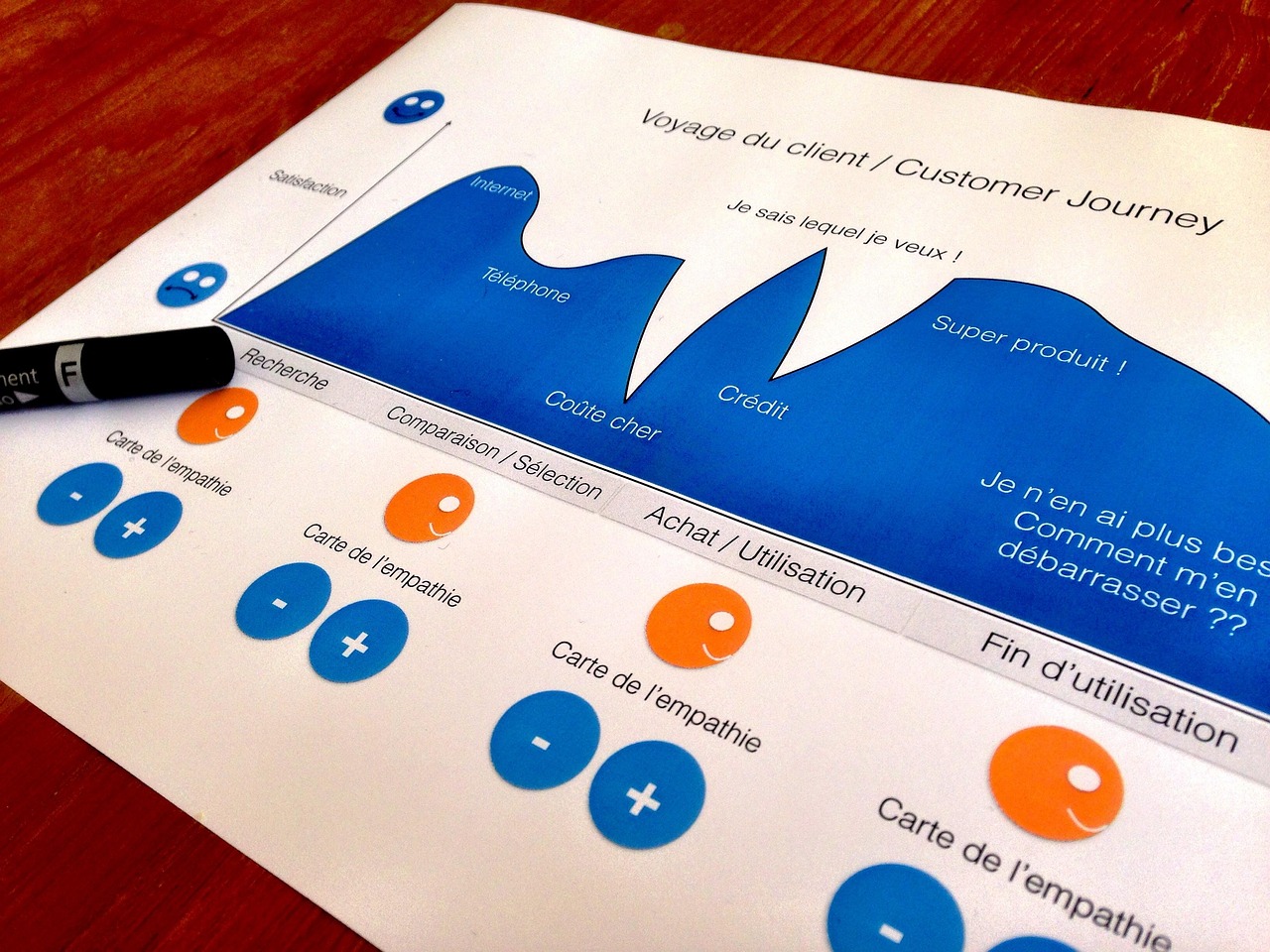
In the fast-paced world of B2B marketing, understanding the customer journey is crucial. Companies must thoroughly map each stage of this journey, identifying key touchpoints and pain points. Customer journey mapping provides insights into how clients perceive the value they receive from services. Organizations improve their marketing strategies, respond to customer needs more effectively, and ultimately, drive revenue through targeted solutions. A well-mapped customer journey can also highlight alignment between marketing initiatives and sales objectives. It lays the foundation for optimizing communication, ensuring that marketing aligns with sales goals, enhancing collaboration. Implementing these strategies can be a game changer for B2B businesses. By pinpointing gaps in understanding customer experiences, businesses can make informed decisions. Final goals include improving experience and increasing conversion rates. Furthermore, applying customer journey mapping allows teams to gather insights from a diverse set of touchpoints, which include online interactions and offline engagements. Moreover, recognizing customers’ pain points helps refine organizational processes, leading to enhanced overall satisfaction. Thus, effectively implementing customer journey mapping is a transformative process that ultimately drives customer-centric innovation for B2B firms.
Step one in the customer journey mapping process involves research and data gathering. This phase is essential, as accurate data forms the backbone of any effective mapping initiative. Businesses typically utilize various tools, including surveys and analytics, to collect relevant customer insights. Understanding existing customer behaviors, preferences, and pain points helps create a clear picture of the journey. Once the data is compiled, organizations can review and segment customer profiles based on characteristics such as industry, company size, or purchase behavior. These segments reveal unique patterns and insights that contribute to journey maps. Next, companies identify all potential touchpoints across the sales process, from initial contact to post-purchase follow-ups. These touchpoints could range from website interactions and social media presence to email communication and client meetings. Reviewing each touchpoint allows the organization to assess the effectiveness of current initiatives. With complete insights in hand, teams can visualize the customer journey in a structured manner. At this stage, creating a comprehensive journey map aids in recognizing opportunities for additional support, resources, and improved processes throughout the B2B sales cycle.
Identifying Pain Points within the Customer Journey
Once the customer journey is accurately mapped, the focus shifts to identifying the pain points within it. These pain points are areas where customers experience challenges, frustrations, or barriers during their journey. Identifying them is crucial for enhancing customer experience and facilitating seamless interactions. Common pain points include issues such as limited access to information, confusing website navigation, or inadequate customer service responses. Organizations can determine these pain points through targeted inquiries during customer interviews or feedback sessions. Additionally, analyzing drop-off rates at critical stages of the journey unveils insights into where customers disengage. Furthermore, qualitative feedback obtained through surveys or direct outreach can pinpoint specific concerns. Prioritizing these pain points based on impact will allow the business to make informed improvements. Once priorities are set, corrective actions can be implemented, fostering a more efficient customer journey. This dedication to resolving pain points demonstrates an organization’s commitment to understanding its customers’ challenges. Ultimately, addressing identified pain points directly contributes to improved customer satisfaction and loyalty, significantly impacting long-term business success.
After identifying various pain points, developing solutions to address these challenges is essential. Solutions can vary based on the complexity of the issue and available resources. For minor pain points, optimizing information systems and enhancing user interfaces can significantly improve customer experience. On the other hand, major challenges might require cross-departmental collaboration to resolve. Ensuring that customer service teams are well-equipped with training and resources to handle inquiries can make a considerable difference. Options include implementing advanced support tools like chatbots and CRM systems, enhancing responsiveness. Additionally, creating detailed FAQs and instructional content can make navigating the purchasing process clearer for customers. Increasing training drives knowledge, equipping teams to address customer inquiries efficiently. Furthermore, organizations must establish an ongoing review process for the journey map, ensuring it remains current while encouraging iterative improvements. Regularly soliciting feedback from customers will help maintain relevance and gauge perceived improvements. As businesses develop solutions, it’s vital to communicate changes to customers. Transparency fosters trust and demonstrates a commitment to improving their experience, which can ultimately lead to repeat business and referrals. Thus, investing in solutions enables organizations to strengthen customer relationships.
The Role of Technology in Enhancing the Customer Journey
Technology plays a vital role in enhancing the customer journey, enabling businesses to streamline processes and offer personalized experiences. Advanced Customer Relationship Management (CRM) systems provide a wealth of data to understand customer preferences better. Leveraging this data allows organizations to tailor marketing efforts and ensure communication is relevant and timely. Moreover, automation tools simplify workflows and empower teams to focus on high-value interactions. For example, automated follow-up emails can nurture leads efficiently, ensuring they receive timely information. Furthermore, using analytics tools to gain insights into customer behavior can inform marketing strategies, optimizing online and offline touchpoints. Organizations can implement artificial intelligence technology to improve customer interactions further. AI-driven chatbots can address common inquiries or provide initial assistance, enhancing efficiency. Moreover, through machine learning, businesses can anticipate customer needs, predicting their next steps along the journey. As technology continues to evolve, organizations must adapt and integrate new tools to bolster their customer journey mapping efforts. Ultimately, the use of technology optimizes processes and enhances the overall customer experience, resulting in improved satisfaction and loyalty, key factors for business growth.
As organizations implement their modified customer journey mappings, measuring success becomes critical. Setting clear metrics to evaluate pain point resolution is essential. Companies should track metrics such as customer satisfaction scores, repeat purchase rates, and net promoter scores to gauge improvements. Additionally, monitoring customer feedback helps provide insight into perceptions related to implemented changes. Ongoing assessment enables companies to identify which initiatives lead to positive outcomes and which require further modification. Moreover, segmenting metrics by customer demographics can reveal more profound insights. By analyzing data from various customer segments, businesses can measure the impact of new strategies on distinct groups more accurately. This understanding further refines customer journey mapping efforts as insights gleaned guide targeted refinements. Beyond quantitative metrics, qualitative feedback from customers provides additional context. Engaging with customers through surveys and interviews allows companies to weave personal narratives into the data. Ultimately, a comprehensive success measurement approach allows organizations to view the customer journey holistically. This ongoing evaluation ensures that continued adjustments align with customers’ evolving needs, contributing significantly to the enhancement of the overall experience.
Conclusion: The Importance of Continuous Improvement in B2B Marketing
In conclusion, customer journey mapping is indispensable in identifying and resolving pain points within B2B sales. The mapping process enables organizations to visualize customer experiences and understand their needs better. As highlighted throughout the process, addressing these pain points requires a combination of research, technology, and ongoing assessment. Leveraging technology ensures efficiency and meets customers’ expectations seamlessly, fostering stronger relationships. Furthermore, actively gathering and responding to customer feedback forms a continuous loop for improvement. By evolving their strategies and tools, organizations can remain competitive and effectively address the dynamic nature of customer experiences. Thus, businesses that prioritize understanding and optimizing the customer journey are poised to achieve sustained growth and retention in an ever-evolving landscape. Commitment to continual improvement is paramount, allowing B2B organizations to flourish in increasingly competitive environments. By creating customer-centric initiatives, companies can ensure pathways of trust and added value for customers, directly impacting sales and loyalty. Thus, investing in customer journey mapping sets the foundation for successful B2B marketing, driving better outcomes and enhancing relationships over time.