
Identifying Support and Resistance Levels in Crypto Trading
In the world of digital currency trading, identifying support and resistance levels is crucial for making informed trading decisions. Support levels are price points where a cryptocurrency tends to find buying interest, preventing the price from falling further. Conversely, resistance levels are points where selling interest emerges, limiting price increases. These levels are formed due to the interaction of buyers and sellers in the market, reflecting collective sentiment. Understanding these levels helps traders anticipate potential price reversals, allowing them to set strategic entry and exit points. Traders often use historical price data, trend lines, and other technical tools to identify these critical levels effectively. This analysis can be applied to various cryptocurrencies, including Bitcoin, Ethereum, and altcoins. As trading volume increases, the accuracy of these identified levels tends to improve, providing a better framework for analysis. In this article, we will explore practical methods to identify these levels through various techniques, enhancing your trading strategies in the rapidly evolving world of crypto markets. With the right approach, traders can better position themselves to capitalize on market movements and make more informed trading decisions.
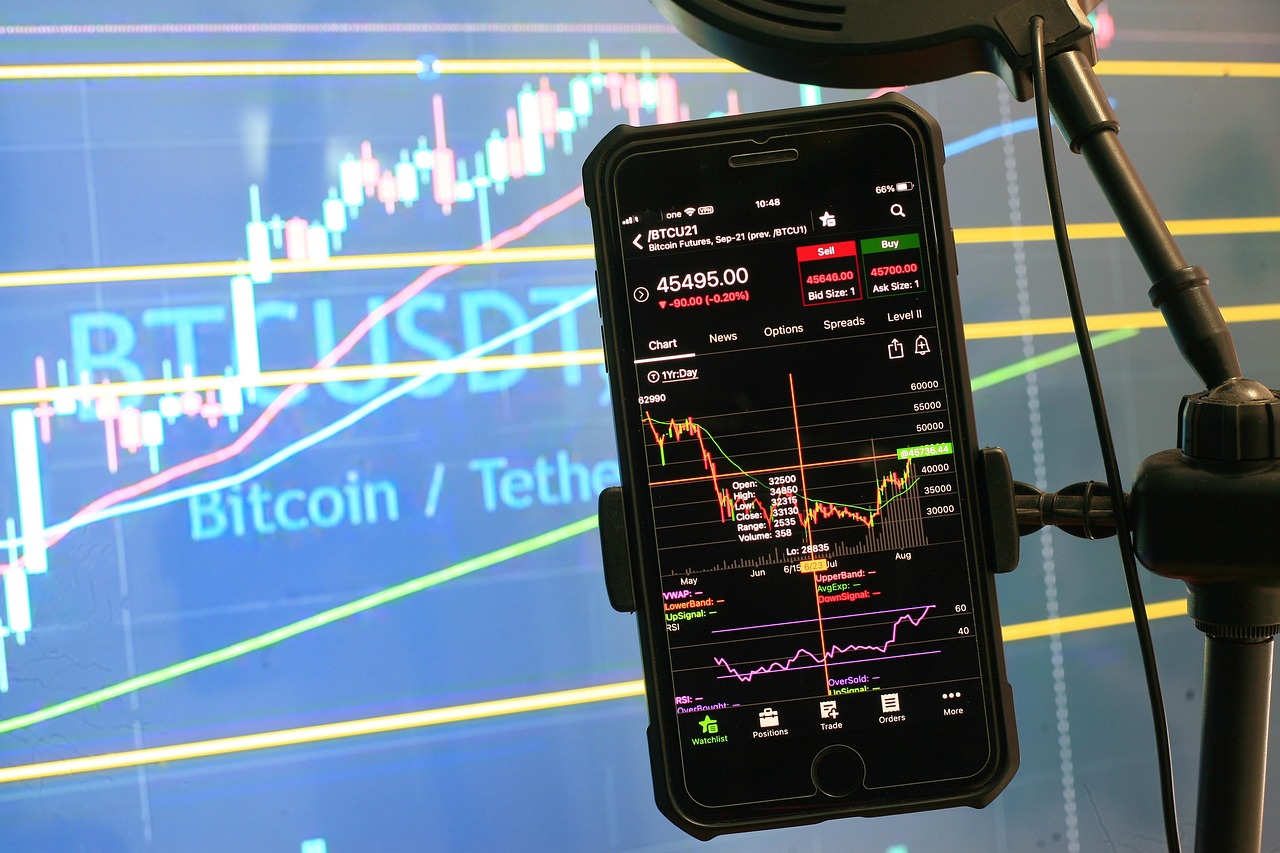
One effective technique for identifying support and resistance levels is the use of historical price charts. Traders can analyze previous price movements to recognize where prices have frequently reversed. Specifically, they should look for areas where prices have bounced off multiple times, creating a trend of support or resistance. By drawing horizontal lines across these critical price levels, traders can forecast future price action with improved accuracy. Another essential aspect of this technique involves combining several indicators, including moving averages and Fibonacci retracement levels, for more comprehensive analysis. Moving averages can smooth price data to highlight trends, while Fibonacci levels act as dynamic support or resistance zones based on the retracements of price movements. Traders can also utilize candlestick patterns to bolster their analysis. Candlestick patterns, such as hammers or shooting stars, can signify the strength of support or resistance levels. Using these combined tools, traders can devise robust strategies, adapting their approaches based on evolving market conditions to make informed decisions about entering or exiting positions effectively.
The Importance of Volume Analysis
Another critical factor when identifying support and resistance levels in crypto trading is volume analysis. Volume refers to the amount of a particular cryptocurrency traded within a specific timeframe, providing insight into market activity. Higher trading volumes at specific price levels often confirm the strength of support or resistance. This relationship is essential as it signals whether a price level is likely to hold or break. For example, if the price approaches support with substantial buying volume, it indicates strong buying interest, making a bounce likely. Conversely, if ample selling occurs at resistance, it suggests a capable supply limiting upward price movement, promoting a pullback. Thus, volume acts as a validation tool, reinforcing the significance of established price levels in the trader’s analysis. Additionally, volume indicators, like the On-Balance Volume (OBV), can provide further perspective about the relationship between price shifts and trading volume, assisting traders in understanding market sentiment more clearly. This thorough approach to volume analysis ultimately enhances the potential for successful trades in the crypto market.
Chart patterns make up another powerful tool in identifying support and resistance levels. Traders can recognize specific patterns such as head and shoulders, triangles, or flags to gain insights into potential market changes. These formations often indicate areas where price will likely reverse, serving as either support or resistance. Additionally, patterns can highlight the momentum behind price movements, providing broader context for future direction. Monitoring breakout points from these formations further aids traders in anticipating shifts in price behavior. For example, when a price breaks through a well-defined resistance level, it may indicate a bullish trend, prompting traders to consider entering long positions. Conversely, a drop below a support level could serve as a sell signal or a cue to reevaluate existing positions. Leveraging chart patterns together with other techniques can lead to more accurate analysis, allowing traders to enhance their decision-making process as they navigate the crypto market. Staying alert to these patterns equips traders to capitalize on the potential profit opportunities as the market shifts.
Using Technical Indicators for Confirmation
Incorporating technical indicators is another effective strategy for confirming support and resistance levels in digital currency trading. Various indicators, including Relative Strength Index (RSI), Moving Average Convergence Divergence (MACD), and Bollinger Bands, can add depth to the analysis. For instance, the RSI helps evaluate whether a cryptocurrency is overbought or oversold, providing context for potential reversals at established support and resistance levels. Similarly, the MACD serves as a trend-following momentum indicator, helping traders spot changes in the direction of price movements. Additionally, Bollinger Bands reveal volatility, which can signal a potential breakout or reversal as prices approach the edges of the bands. Utilizing these indicators in conjunction with support and resistance levels delivers a more comprehensive view of market conditions, assisting traders in validating their trading strategies effectively. By synergizing technical indicators with historical price levels, traders can significantly improve their chances of success in the volatile cryptocurrency landscape. Ultimately, this well-rounded approach empowers traders to make informed decisions fitting their risk profiles.
Fundamental factors also play a crucial role in understanding support and resistance levels in digital currency trading. Economic releases, regulatory changes, project developments, and investor sentiment can all significantly impact crypto prices. For example, sudden news, such as major partnerships or technological advancements, might lead to increased demand, breaking through established resistance levels. Conversely, negative news stories can trigger rapid market declines, causing a breakdown of support levels. Thus, keeping track of fundamental developments is essential for traders, as they can help anticipate market reactions to news. Integrating a fundamental analysis approach with technical tools provides a more informed view of market dynamics. Traders can remain vigilant by collecting data regarding influential events, enhancing their decision-making process, and refining their analyses of established price levels. Additionally, subscribing to credible news sources and using economic calendars can aid traders in staying informed. Balancing technical analysis with an understanding of fundamental elements promotes a well-rounded trading strategy, allowing individuals to navigate potential market fluctuations more effectively.
Practical Application in Trading Strategies
Understanding and applying support and resistance levels effectively is essential for developing successful cryptocurrency trading strategies. Traders often implement strategies such as range trading, where they buy at support levels and sell at resistance levels, capitalizing on price fluctuations. Another approach is breakout trading, which occurs when a price decisively moves beyond a resistance level, prompting traders to enter a position in the direction of the breakout. Additionally, traders can focus on making use of stop-loss and take-profit orders strategically around these critical levels to minimize potential losses and secure profits efficiently. Ensuring that these orders align with the established support and resistance will enhance their effectiveness. As traders refine their strategies based on these principles, they can build greater confidence in their trading decisions. Overall, integrating these ideas into a cohesive trading plan provides a solid foundation for navigating the complexities of the crypto market, allowing traders to seize opportunities and adapt their plans as necessary. With persistence and ongoing refinement, traders can enhance their skills and ultimately become more successful in this dynamic trading environment.
In conclusion, identifying support and resistance levels in digital currency trading is vital to achieving trading success. Traders must understand the various techniques and tools available, such as historical price analysis, volume analysis, chart patterns, and technical indicators, to effectively implement their strategies. Integrating fundamental factors further strengthens trading decisions, allowing market participants to adapt to shifts in sentiment and economic developments. As the cryptocurrency landscape continues to evolve, mastering these concepts can enhance a trader’s ability to navigate market risks and capitalize on growth opportunities. The synergy of analytical techniques, informed by both technical and fundamental analysis, permits traders to develop refined strategies suited to their trading styles and risk tolerance. Persistence in practicing and applying these principles will promote ongoing improvement and greater success in trading outcomes. In the rapidly changing world of crypto, being equipped with knowledge fosters a sense of confidence, empowering traders to make sound decisions. Ultimately, as market conditions shift, the willingness to adapt and learn creates the foundation for a successful trading journey that can lead to long-term profitability.