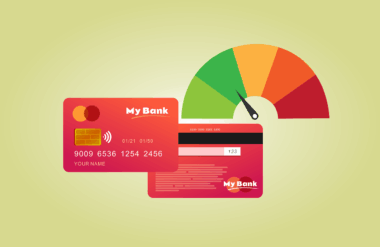

The Relationship Between Credit Analysis and Marketing Strategies
Understanding the relationship between credit analysis and marketing strategies is essential for businesses aiming to enhance their market position. Credit analysis helps assess the risk associated with extending credit and can inform marketing decisions. When credit risk is accurately evaluated, companies can tailor marketing efforts to align with financial capabilities. This alignment ensures that marketing budgets are effectively allocated to high-potential customer segments. For instance, businesses can focus on attracting clients with stronger credit ratings, which ultimately leads to higher conversion rates and improved sales. Moreover, marketing strategies can include educational content about creditworthiness, fostering trust in the brand. Targeted marketing initiatives can effectively reach potential customers, promoting products and services relevant to their financial situations. It is crucial to integrate credit analysis data into marketing plans to refine customer targeting and segment outreach. Therefore, both disciplines must work collaboratively to achieve optimal outcomes. This synergy redefines traditional methods, placing emphasis on informed decision-making and strategic outreach, leading to sustainable growth.
The importance of data in shaping credit analysis cannot be overstated. By leveraging various sources of financial data, companies can construct comprehensive credit profiles for prospective clients. This enables a clearer understanding of which customer segments to target with specific marketing strategies. Utilizing data analytics allows businesses to predict customer behavior and tailor their offerings accordingly. Such insights into customers’ credit histories and payment behaviors inform marketing campaigns that resonate with the audience. This approach fosters better customer relationships, as prospects appreciate personalized marketing messages that address their unique needs. Additionally, integrating credit analysis into the marketing strategy streamlines customer acquisition efforts. By identifying those clients less likely to default, businesses can confidently allocate marketing resources. Consequently, this not only maximizes ROI but also minimizes risks associated with credit extension. In a competitive environment, where consumer trust is paramount, the credibility established through informed marketing approaches helps solidify brand reputation. Overall, the fusion of credit analysis with marketing strategies enhances organizational agility and responsiveness, allowing businesses to thrive within ever-evolving markets.
Risk Assessment and Market Positioning
Another crucial aspect of the relationship between credit analysis and marketing strategies involves risk assessment. Companies must continually evaluate the risk of potential clients to optimized marketing efforts. Market positioning plays a significant role in determining how offers are presented to various customer segments. Well-executed credit assessments provide valuable insights that can enhance market positioning strategies. By identifying low-risk clients, businesses can launch promotional campaigns that appeal specifically to this audience. These campaigns can showcase items or services that fit their financial capabilities, ultimately enhancing both engagement and sales. On the contrary, companies may opt for a different approach towards high-risk segments by providing them with tailored offers that emphasize security. Such strategies might encompass guaranteed financing options or flexible payment plans to attract these potential customers. Risk-aware marketing improves the quality of the sales pipeline and prioritizes clients most likely to engage positively. It also nurtures better loyalty and retention, with customers more likely to remain with a brand that understands their financial profiles. This position bolsters competitive advantages in various markets, leading to effective revenue generation.
The alignment of branding and credit analysis is often overlooked, yet it holds significant potential for maximizing marketing effectiveness. A strong brand builds customer loyalty, but incorporating credit analysis allows for refining that brand perception. When businesses can demonstrate responsible lending practices through their marketing efforts, they reinforce their image as trustworthy partners. Campaigns highlighting customer success stories related to credit integrity can enhance emotional connections and brand advocacy. This elevates branding efforts above mere product promotion to establishing relationships based on credibility and reliability. Furthermore, utilizing testimonials from satisfied clients creates authentic and compelling marketing narratives. These narratives can effectively address concerns that potential customers may have regarding credit and borrowing. Marketing campaigns infused with real client experiences create a more relatable and personal touch, making the brand stand out in a crowded marketplace. This rapport fosters a deeper understanding of customer needs while illustrating the brand’s commitment to satisfying them. Feedback loops gained from credit analysis through effective marketing messages can inform product development, ensuring alignment with market demands, enhancing overall business performance.
Customer Segmentation Strategies
Customer segmentation based on credit analysis can greatly enhance the effectiveness of marketing campaigns. By identifying customers exhibiting similar credit characteristics, businesses can employ tailored marketing approaches that address specific needs and preferences. For example, businesses may create different marketing strategies for low, medium, and high credit score segments, promoting targeted loan products or financing options that resonate within each group. Tailoring messages not only increases conversion rates but also builds trust as customers see that their unique financial situations are acknowledged. Furthermore, segmentation allows businesses to optimize their resource allocation and allocate promotional budgets effectively. When examining credit profiles, companies can prioritize segment outreach based on profitability and risk. Those segments deemed less risky may receive more investment in marketing efforts, while more cautious strategies are devised for high-risk segments. This calculated approach ultimately leads to better outcomes, as businesses can engage in informed decision-making. The synergy between segmentation and credit analysis creates a dynamic framework for targeted marketing strategies that nurture long-term customer relationships and drive sustainable growth.
Incorporating feedback from credit analysis into ongoing marketing strategies enables businesses to remain agile and responsive. Regular updates to credit profiles allow companies to track changing customer behaviors and preferences, facilitating real-time adjustments to campaigns. When marketing teams collaborate with credit analysts, they can gain actionable insights that inform their advertising approaches. This collaboration ultimately creates a feedback loop, helping businesses to refine their methodologies continuously. Additionally, companies employing this strategy can leverage data analytics tools to monitor campaign performance, adjusting tactics whenever necessary. Tracking specific metrics helps in understanding how audiences respond to various marketing initiatives, providing necessary clarity on what works and what doesn’t. Leveraging credit analysis in this ongoing process reveals customer trends that might have gone unnoticed. Consequently, comprehensive strategies emerge from combining both disciplines, all aiming for enhanced customer satisfaction. This agile methodology fosters a competitive edge, ensuring that businesses not only respond effectively to market demands but also anticipate shifts, proactively catering to evolving customer needs and desires.
Future Trends in Credit Analysis and Marketing
Looking toward future trends, the integration of technology in both credit analysis and marketing strategies will significantly change the landscape. Advancements in artificial intelligence and data analytics offer unprecedented opportunities for enhancing credit assessments and marketing campaigns. As businesses harness these technologies, they’ll find improved accuracy in credit evaluations, optimizing their marketing focus even further. Predictions based on refined data will allow for deeper insights into customer behaviors, making it possible to address needs preemptively. Additionally, social media platforms emerging as major marketing channels will further reshape how businesses engage with customers based on their credit history. Personalized advertisements based on credit analysis will likely become commonplace, ensuring a tailored experience for users. This shift toward data-driven marketing signifies a broader trend of personalization in customer communications. Furthermore, regulatory changes might introduce new considerations within credit analysis practices, influencing marketing strategies. Companies that can adapt and innovate will thrive in this evolving environment. This evolution towards a data-centric approach will define the future standards of credit and marketing interrelation, leading to innovative ways to attract and retain customers successfully.
In conclusion, the relationship between credit analysis and marketing strategies is invaluable. This interplay enhances overall business performance by aligning targeted marketing efforts with informed credit assessments. Organizations can allocate resources more effectively, personalize customer interactions, and optimize their sales approaches, driving greater profitability. The continued collaboration between credit analysts and marketing teams will become increasingly important as businesses face dynamic market conditions. By understanding how credit impacts purchasing behaviors, brands can refine their marketing messages, ensuring they resonate with customers at various financial levels. This relationship supports the building of long-lasting customer loyalty and trust as businesses navigate complexities in the financial landscape. Embracing the synergy between these two functional areas paves the way for sustainable growth and competitive advantages. In an age where personalized experiences are shaping consumer expectations, companies can no longer afford to overlook the benefits of integrating credit analysis into their marketing strategies. Future innovations in technology will further empower firms to explore new horizons, unlocking potential insights that inspire confidence in their offerings. The ultimate goal remains delivering value while enhancing customer journeys across diverse market segments, establishing a foundation for success.