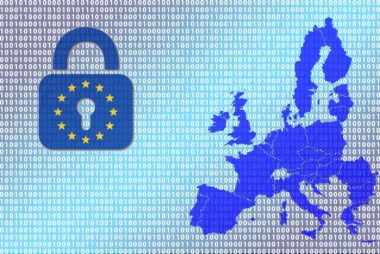

The Intersection of Marketing Ethics and Consumer Data Protection
In today’s rapidly evolving digital landscape, marketing ethics and consumer data protection have become intertwined subjects that significantly influence brand reputation and trust. Consumers are increasingly concerned about how businesses gather and utilize their personal information. Marketers have a responsibility to ensure transparency and fairness in their data practices. When companies collect data, they must prioritize ethical considerations by obtaining informed consent and being clear about usage. If consumers feel their information is exploited, it can lead to distrust and reluctance to engage with brands. Therefore, effective marketing strategies should incorporate robust data protection practices that align with ethical standards. This not only helps in building long-term relationships with customers but also contributes to sustainable business growth. The potential for data breaches further complicates this issue, as personal data exposure can result in legal repercussions and damaged reputations. As such, businesses must leverage ethical frameworks to mitigate these risks while fostering an environment of trust. Ultimately, aligning marketing efforts with ethical data practices is essential for gaining consumer confidence and ensuring loyalty in a competitive marketplace.
This intersection of marketing ethics and data protection can be operationalized through various frameworks that prioritize consumer rights. A fundamental principle is transparency, which involves clearly communicating how data is collected, stored, and utilized. Marketers should educate their audience about their data handling practices, ensuring consumers are fully informed. Additionally, protecting consumer data goes beyond compliance with laws, such as GDPR or CCPA. Businesses must proactively implement measures that secure user information from potential threats. This includes employing encryption and robust cybersecurity protocols. Furthermore, adopting a consumer-centric approach can enhance trust and loyalty. When customers feel their data is respected and protected, they are more likely to engage positively with a brand. Ethical marketing practices should also include options for consumers to control their data, such as giving them the right to access or even delete personal information. Creating easy mechanisms for such actions empowers consumers and fosters a sense of ownership over their data. Additionally, fostering a company culture that prioritizes ethical considerations in data marketing can enhance the entire organization’s reputation in the eyes of stakeholders.
Challenges in Data Protection
Despite the well-meaning intentions of marketers, several challenges persist in the landscape of data protection. One major issue is the lack of a unified framework for data privacy regulations across different regions. This creates confusion for companies that operate internationally, as they are forced to navigate a patchwork of compliance requirements. As regulations evolve, organizations must continuously adapt their practices, often at great operational cost. Compounding this problem is the rapidly advancing technology landscape; new tools and platforms make it increasingly difficult for marketers to keep pace with changing privacy expectations. Furthermore, many consumers remain unaware of their rights or the methods companies use to collect their data. This information asymmetry can lead to greater vulnerability, as consumers might not take the necessary precautions when engaging online. Additionally, companies often struggle to evaluate the effectiveness of their data protection measures, leaving them exposed to potential breaches. Lastly, ensuring that all employees handle consumer information ethically and responsibly requires ongoing training and commitment. These challenges necessitate a comprehensive strategy that prioritizes both effective marketing and robust data protection measures that resonate with consumer expectations.
Addressing the challenges in consumer privacy and data protection necessitates collaboration between various stakeholders. Government agencies, businesses, and consumers must work together to establish robust, universally accepted frameworks that prioritize ethical marketing practices. Policymakers play a crucial role by defining and enforcing stringent data protection laws that businesses must adhere to, but they should also engage with the industry to understand practical challenges. Meanwhile, organizations must actively participate in these discussions, sharing valuable insights regarding their practices and hurdles they face in compliance. Furthermore, educational initiatives can empower consumers to understand their rights and responsibilities regarding their personal data. Ensuring that consumers are educated about data protection can increase their awareness and encourage protective behaviors. Additionally, fostering a culture of ethical marketing within organizations requires ongoing training programs that highlight the importance of consumer privacy. Employees need to understand the ethical implications of their roles concerning data handling. Overall, meaningful strides in addressing data protection can only be made through collaborative efforts that unite different entities, paving the way for a more responsible approach to consumer privacy in marketing.
Building Trust Through Ethical Practices
Establishing trust is paramount in any successful marketing strategy, particularly when it comes to data protection. Consumers are more likely to engage with brands that prioritize transparency and ethical handling of their personal information. This trust is built through consistent actions that align with ethical standards and protecting consumer privacy. Marketers should aim to create a two-way relationship with customers, ensuring that they feel comfortable sharing their data. This can be achieved by providing information about how their data will be used and offering easy opt-out options if they choose not to participate. Moreover, actively recognizing and celebrating consumer privacy rights can further enhance trust. By prioritizing consumer rights, organizations can build stronger rapport with their audience. Positive engagement often leads to customer loyalty, increased referrals, and brand advocacy. Moreover, good ethical practices in marketing should also consider the implications of emerging technologies such as artificial intelligence and big data. As these technologies become increasingly common in marketing strategies, they must be handled with care to maintain consumer trust. Overall, embracing ethical marketing practices is not only responsible but vital for long-term success in attracting and retaining customers.
As marketing continues to evolve in the digital age, addressing ethical concerns surrounding consumer data protection will remain critical. Brands seeking to thrive in competitive markets must prioritize the ethical implications of their marketing strategies and actively update their practices in line with new regulations and consumer expectations. In an age of information overload, consumers are increasingly equipped to discern brands that prioritize ethical practices from those that do not. Therefore, organizations must invest time and resources into developing robust data protection policies that are both effective and transparent. Additionally, organizations should regularly assess their marketing practices and consider incorporating feedback from consumers to make necessary adjustments. Engaging consumers in this process can demonstrate that a brand values their opinion and actively seeks to align its strategies with ethical guidelines. Furthermore, adopting cutting-edge technologies that enhance data protection can be advantageous. Solutions incorporating encryption, data anonymization, and advanced security protocols contribute to a more sustainable approach to marketing ethics. Ultimately, the dialogue around consumer privacy and ethical marketing must remain open and thoughtful to promote positive change within the industry.
Looking Towards the Future
As we look forward, the intersection of marketing ethics and consumer data protection will only gain relevance as technology advances. Future trends indicate that consumers will demand greater control over their personal data, leading to a shift in how companies approach data collection and usage. Businesses that proactively embrace this change will likely emerge as leaders within their industries. Emerging technologies, such as blockchain, may provide solutions that enhance transparency and security in data transactions. As these technologies become more widespread, marketers should explore innovative approaches to integrate them into their strategies while maintaining ethical guidelines. Furthermore, developing a dynamic framework for consumer privacy that adapts to technological advancements will be vital. Companies need to anticipate regulatory changes and consumer expectations, positioning themselves not just as compliant entities, but as champions of consumer rights. Implementing ethical marketing principles will ultimately enhance brand prestige and foster customer loyalty. In conclusion, as marketing practices continue to intertwine with data protection initiatives, a strong focus on ethical considerations will shape the future landscape of marketing, ensuring a win-win situation for businesses and consumers alike.
The digital landscape continues to present complex challenges and opportunities in the realm of marketing ethics and consumer privacy. As the relationship between data protection regulations and marketing strategies evolves, it is essential for marketers to adopt proactive, ethical approaches while ensuring compliance. The efficacy of these approaches relies on a deep understanding of consumer psychology and behavior, empowering brands to relate to their audience genuinely and authentically. By employing ethical data practices, organizations can facilitate connections that resonate with consumers on a personal level, ultimately fostering loyalty and customer retention. In navigating this intricate landscape, brands should consistently evaluate and refine their strategies to address ethical concerns, emphasize consumer welfare, and promote transparency. As technology plays an increasingly central role in marketing, businesses that prioritize ethical considerations will stand out as trustworthy actors in a crowded marketplace. Furthermore, cultivating this ethical foundation can foster a stronger commitment among employees while reinforcing the importance of putting consumer privacy first. In sum, the connection between marketing ethics and consumer data protection is vital, as it shapes consumer trust, underpins brand loyalty, and ultimately drives business success in the long term.