
Exploring the Technology Behind Popular Altcoins
In the evolving landscape of digital currencies, altcoins have carved out significant niches beyond Bitcoin. Frequently held attributes of altcoins include unique blockchain technologies and alterations to protocol features. For investors, understanding these differences is critical. There are numerous types of altcoins available, including stablecoins, utility tokens, and security tokens. Each of these classifications plays unique roles within diverse ecosystems. For example, stablecoins aim to maintain price stability, while utility tokens provide access to a product or service. Furthermore, altcoins can leverage diverse consensus algorithms, enhancing transaction speeds or energy efficiency. Investors should conduct thorough research into specific altcoins’ operational mechanisms and their underlying technologies. Being informed about features like smart contracts or decentralized applications can provide an edge in investment decisions. Ultimately, the altcoin market represents both opportunity and volatility. Thus, beginners and seasoned investors alike should exercise caution while navigating this arena. Understanding these diverse cryptocurrencies helps demystify their complexities. As we delve deeper into altcoins, evaluating their technological foundations becomes essential for intelligent investment strategies. Evidence suggests that thorough knowledge can lead to more informed decisions when dealing with altcoins.
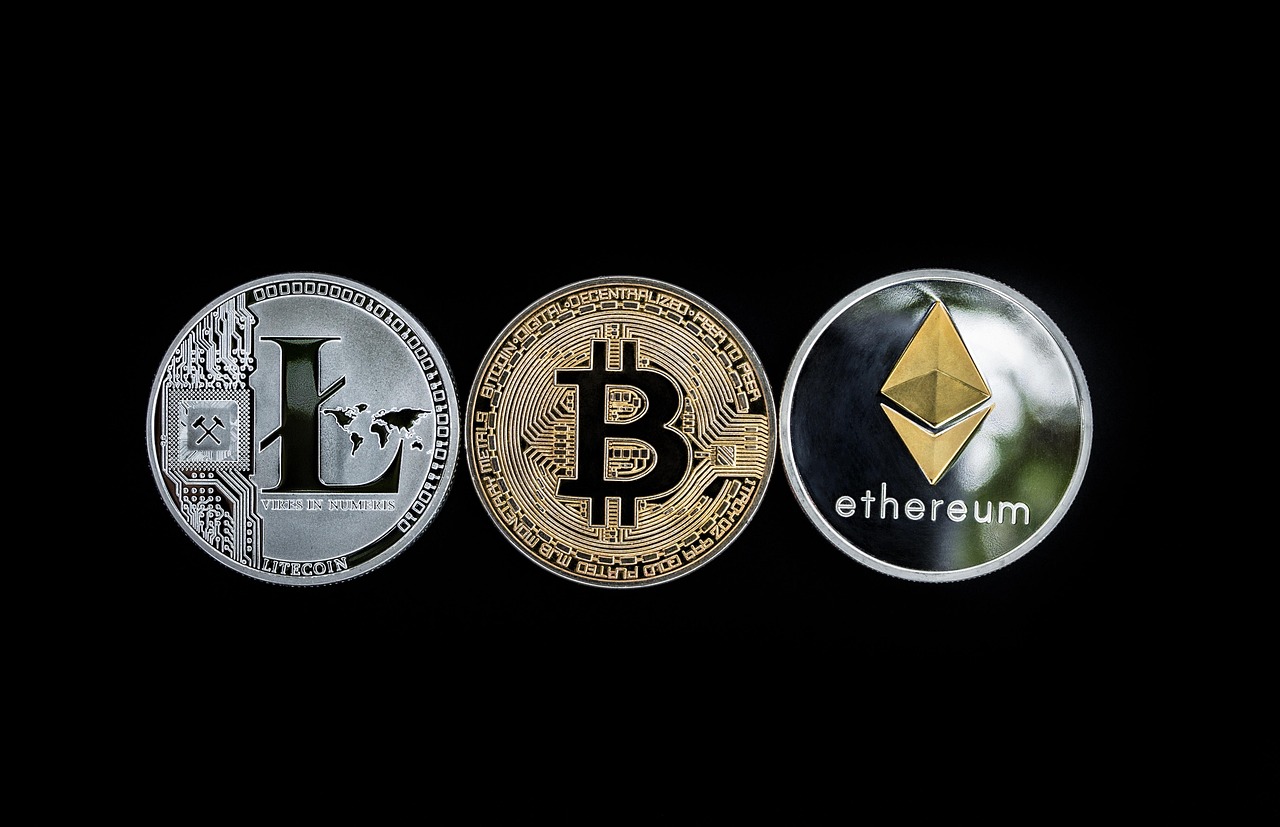
Among the top players in the altcoin space is Ethereum, renowned for its smart contracts. Ethereum introduced a universal platform where developers can create decentralized applications. This significantly altered the cryptocurrency landscape by allowing functions beyond mere currency. The Ethereum network hosts numerous projects that utilize its blockchain, making it a crucial player. Notably, its flexibility has spawned thousands of altcoins built upon its infrastructure. Additionally, Ethereum’s transition to a proof-of-stake model aims to enhance energy efficiency considerably. Investors typically find Ethereum appealing not only for its innovations but also for its large developer community. This extensive ecosystem continues to push boundaries through various DeFi (decentralized finance) applications. Each project built on Ethereum contributes to the larger narrative of cryptocurrency evolution. To capitalize on these opportunities, one must understand Ethereum’s model and why many projects prefer to deploy on its blockchain. As the market continues to mature, Ethereum will play an essential role in shaping the future of digital finance. Observing its successes and challenges—like scalability—can yield insights for prospective altcoin investors seeking valuable trends.
Further Insights into Key Altcoins
Another notable altcoin is Binance Coin (BNB), which has undergone an impressive journey since its launch. Initially utilized primarily for transaction fees on the Binance Exchange, its functionality has expanded significantly. BNB now serves various purposes, including token sales and investment into DeFi projects. As a result, its popularity and acceptance have flourished, further amplifying its value in the cryptocurrency ecosystem. A unique aspect of BNB is its applicability within the BinanceSmart Chain, a platform designed for developing decentralized applications. This rapid development signals a growing recognition of BNB across blockchain communities, indicating further potential for investors. Critical to note is that Binance employs a token burn strategy, which helps to reduce supply over time—potentially enhancing its value. However, trends in regulatory scrutiny around exchanges could impact Binance Coin’s future. Therefore, staying informed about market developments and regulatory changes remains paramount for holding BNB. Investors must evaluate the risks associated with exchange-driven tokens as the landscape continues to evolve toward greater institutional involvement in cryptocurrencies.
Moreover, Cardano has emerged as another influential player within the altcoin sector. Distinct for its scientific approach to blockchain technology, its development involves rigorous peer-reviewed research. Cardano’s primary goal is to create a more sustainable and scalable infrastructure for decentralized applications and smart contracts. This focus on academic rigor is reflected in its unique utility token, ADA, widely recognized for its potential. As Cardano progresses through its development phases, it emphasizes security and functionality in a way that resonates well with both developers and investors. Furthermore, the network utilizes a proof-of-stake consensus mechanism, which is an environmentally friendly alternative to traditional mining. Such strategies distinguish Cardano from many other altcoins. In the context of smart contract implementation, Cardano aims to tackle issues of scalability and interoperability—common pitfalls within the blockchain space. Consequently, investors are increasingly looking toward Cardano for potential long-term benefits. The community surrounding Cardano is also particularly active, enhancing investor confidence as more projects emerge on its platform from a diverse range of industries.
Understanding the Ecosystem of Stablecoins
Stablecoins are another category within the altcoin space that deserves attention. These digital assets are designed to maintain a stable value, often pegged to a fiat currency like the US dollar. Their primary appeal lies in mitigating the volatility commonly associated with cryptocurrencies. Popular stablecoins such as Tether (USDT) and USD Coin (USDC) offer consumers and traders benefits, particularly in trading environments. Major exchanges typically support these coins, providing liquidity and ease of use. Stablecoins act as a bridge between fiat and cryptocurrency, aiding transactions and reducing barriers to entry for newcomers. Additionally, stablecoin adoption has grown in the DeFi sector, facilitating lending, borrowing, and yield-farming opportunities. Hence, understanding the mechanisms of stablecoins is crucial for investors. Furthermore, scrutiny around the reserves backing stablecoins has sparked discussions about transparency and regulatory compliance. Adopting stablecoins presents both advantages and challenges, including regulatory hurdles and scrutiny of the models underpinning their value. Overall, stablecoins represent an innovative solution within cryptocurrency while also highlighting the need for regulatory clarity as digital currencies become more mainstream in financial transactions.
Equally important are utility tokens, as they allow users to access specific services or products within their respective ecosystems. Unlike traditional cryptocurrencies that primarily serve as currency, utility tokens provide functionality within platforms. These tokens are commonly issued through initial coin offerings (ICOs), giving investors opportunities to participate early. An example of a notable utility token is Chainlink (LINK), which connects smart contracts with real-world data through its decentralized oracle network. This innovative approach has made Chainlink a vital player in the DeFi landscape, reflecting the importance of real-world applicability within blockchain technology. Investors in utility tokens must consider factors such as adoption rates, project development progress, and overall market conditions. Additionally, proper due diligence around the underlying projects and the problems they aim to solve is essential. As utility tokens continue to grow in relevance, they emphasize the need for a strategic investment approach within the altcoin market. Proper evaluation can unveil opportunities to identify promising projects, which can yield substantial returns for those willing to navigate the complexities of altcoin investments.
Conclusion: The Future of Altcoins
In conclusion, the world of altcoins presents ample opportunities and complexities. Understanding the various types of altcoins, including stablecoins, utility tokens, and advanced projects like Ethereum, Cardano, and Binance Coin, is crucial for any investor looking to navigate this market. Each altcoin offers unique functionalities, operational mechanisms, and risks, which necessitate thorough research before committing to investments. As technology evolves, these altcoins will continue shaping the future of finance, enhancing accessibility and functions beyond traditional banking and financing methods. With increasing institutional interest and the adoption of blockchain solutions, the market is expected to grow exponentially. Moreover, remaining informed about technological advancements and regulatory developments will empower investors to make educated decisions. Ultimately, the careful examination of different altcoins can help unlock potential avenues for financial growth and innovation. As this digital currency landscape unfolds, investors who remain vigilant and informed are likely to capitalize on the myriad of opportunities available. Investing in altcoins is a journey requiring education, engagement, and a futuristic outlook.
Overall, the altcoin market is both thriving and evolving at an unprecedented pace, making it an exciting area for exploration. As new technologies, strategies, and market dynamics unfold, the educational journey into altcoins can yield valuable insights and investment opportunities.