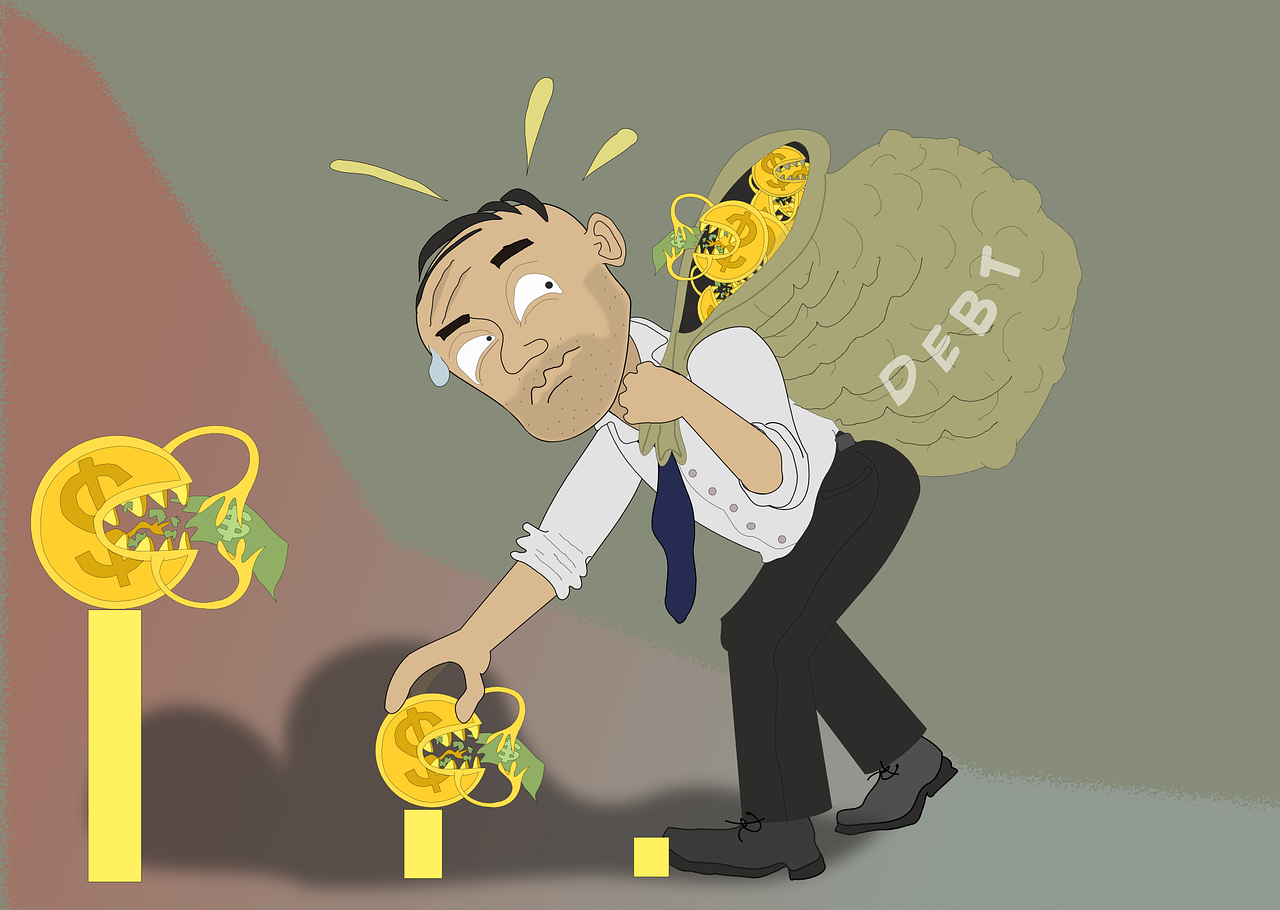

The Role of Budgeting in Effective Debt Management
Effective debt management is a crucial aspect of achieving financial stability, and budgeting plays a pivotal role in this process. A budget is essentially a plan that details your income and expenses, allowing you to allocate funds effectively. By implementing a well-structured budget, you can gain better control over your finances and identify areas where cost-cutting may be necessary. Furthermore, budgeting helps you prioritize debt repayment, which can prevent falling into deeper financial predicaments. When creating a budget, it’s essential to consider all sources of income and estimate your monthly expenses. This can include fixed costs, variable costs, and periodic expenses that might not occur every month. It’s also beneficial to include a buffer for unexpected expenses to avoid relying on credit for unplanned costs. Additionally, using financial tools or apps can assist in creating a detailed budget. By tracking your spending regularly, you foster fiscal discipline and make informed decisions. Ultimately, an effective budget can pave the way for a more secure financial future, enabling you to manage debt wisely and prevent it from spiraling out of control.
One effective strategy in budgeting for debt management is the “50/30/20 Rule”. This budgetary guideline allocates 50% of your income to needs, 30% to wants, and 20% to savings or debt repayment. By adhering to this framework, individuals can clearly visualize their financial situation ensuring they prioritize debt commitments. The allocation for debt repayment under this rule is crucial as it fosters responsible spending by ensuring that you are addressing debts systematically. Additionally, reevaluating this budget periodically allows for adjustments based on changes in income or unexpected financial shifts. For instance, a temporary increase in income should suggest a boost in debt repayments, while a decrease would prompt cost-cutting. It’s also advisable to differentiate between high-interest and low-interest debts. High-interest debts should be prioritized to minimize interest costs over time. Furthermore, reward yourself for sticking to your budget. Achieving goals, even small ones, can motivate you to stay disciplined in managing debt. Ultimately, effective budgeting using this rule encourages a more proactive approach to financial health, allowing for better debt management.
Creating a Realistic Budget
Creating a realistic budget is essential for successful debt management. Begin by calculating your net income after tax, which serves as the foundation for your monthly budget. Next, identify all monthly expenses, both fixed such as rent and variable such as groceries. It’s vital to track these expenses over a few months to understand the spending habits fully. Many individuals are surprised to find discretionary spending can be significantly reduced. Categories such as entertainment, dining out should have limits to ensure debts are addressed first. Consider using spreadsheets or financial management apps to assist in tracking and visualizing expenses easily. If you find your expenses exceeding income, revisiting and adjusting your spending habits might be necessary to restore balance. Additionally, identify any subscriptions or services that may no longer be necessary and consider cutting those to increase available income to pay off debts. Lastly, review your budget monthly. This not only allows you to identify potential issues before they become problems but also enables you to celebrate financial victories, no matter how small, which keeps motivation high.
An emergency fund is another crucial element of budgeting for effective debt management. Life is unpredictable, and having set savings aside can prevent reliance on credit in times of need. This fund should ideally cover three to six months of living expenses. Starting small can make this seem less daunting. Setting aside even a modest amount each month contributes to building security. For instance, direct deposits into a separate savings account can automate this process. Also, designating specific savings goals can be highly motivating and gives a tangible target to achieve. When budgeting, consider setting aside a portion of your income toward this fund before allocating money to other expenses. This strategy ensures that saving for emergencies becomes a habit rather than an afterthought. Furthermore, having an emergency fund allows individuals to handle unexpected costs without incurring more debt. This aspect of budgeting not only alleviates stress but also strengthens your financial standing. By prioritizing an emergency fund, you encourage proactive debt management, significantly enhancing financial resilience and reducing anxiety associated with unforeseen costs.
The Importance of Debt Snowball Method
Another method that can significantly enhance debt management through budgeting is the debt snowball method. This strategy focuses on paying off debts from smallest to largest, regardless of interest rates. While it may seem counterintuitive to avoid higher-interest debts initially, the psychological boost gained by quickly paying off smaller debts can increase motivation. A sense of accomplishment drives people to continue tackling larger debts with renewed determination. When budgeting, dedicate an amount that goes primarily towards your smallest debt while continuing minimum payments on larger debts. As smaller debts are eliminated, the funds allocated to larger debts increase, creating a snowball effect. Setting realistic timelines for these payments can enhance accountability. Also, consider celebrating your milestones by rewarding yourself when you pay off a debt. This keeps your spirits high and encourages proactive financial behavior. Additionally, consider communicating your plans with a trusted friend or family member for additional support and accountability. The snowball method, paired with a structured budget, becomes a powerful tool in managing debt and fostering financial independence.
Staying disciplined with your budget is crucial for effective debt management, as financial discipline plays a critical role in achieving long-term goals. One effective way to maintain discipline is by regularly reviewing your budget and assessing your financial progress. Keeping an eye on metrics can highlight when expenses are creeping up, which can be a signal to re-evaluate your spending habits. Engaging with a community or forum focused on debt management can provide support and helpful tips from others facing similar challenges. Utilizing budgeting apps that send notifications for overspending can also keep your financial goals in check. Moreover, it’s essential to reassess your financial priorities occasionally. Life changes such as job promotions, changes in needs or other circumstances mean your budget may also need adjustment. Consistently aligning your budget with your short-term and long-term financial goals reinforces your commitment to debt management. Remember that consistency is vital in developing healthy financial habits, enabling you to stay on track with your payments and gradually build your wealth. Ultimately, through discipline and calculation, debt can be effectively managed over time.
Conclusion and Call to Action
In conclusion, effective debt management hinges on the implementation of a realistic and disciplined budget. This financial roadmap guides your spending decisions and ensures that debt repayment is prioritized. Techniques such as the 50/30/20 rule and the debt snowball method serve as effective tools in structuring your approach to tackle debt. Moreover, establishing an emergency fund offers a safety net that aids financial security and prevents reliance on credit due to unexpected expenses. Regularly reviewing your budget fosters accountability while helping identify areas for improvement. Financial discipline is critical in turning these strategies into lasting habits, ultimately fostering financial freedom. Take actionable steps today by implementing these strategies into your day-to-day routine. Start with budgeting, reassess spending patterns, and plan for future expenses. Engage with resources, communities, or professionals who can provide support and guidance. Together, we can navigate the path toward efficient debt management and a healthier financial future. Your journey begins now; check your financial literacy and take charge of solving your debt challenges head-on, reclaiming your financial independence.
Understanding financial literacy involves grasping the essential skills to manage money, such as budgeting and debt management. Improving these skills is vital for building a solid financial foundation and enhancing overall quality of life. Embracing budgeting is a proactive step towards achieving better financial health. It empowers individuals to prioritize their expenses and make informed decisions regarding purchasing, saving, and investing. Moreover, a strong understanding of debt management helps navigate the complexities of loans, credit cards, and other financial responsibilities. As you enhance your financial literacy, you equip yourself with the tools necessary to break free from debt cycles and build wealth over time. One effective method to reinforce your learning is by seeking out reliable financial education resources, such as workshops or online courses. These resources can deepen your understanding of financial principles and prepare you for real-world applications. And the more knowledgeable you become, the more confident and empowered you’ll feel when managing your finances. This journey towards enhancing financial literacy is not simple, but the benefits are substantial, including reduced stress and increased financial security in the long run.