
Smart Home Technologies Driving Buyer Interest
The real estate market is witnessing a significant transformation due to the rise of smart home technologies. These advancements not only improve the quality of living for homeowners but also elevate property values, making them highly desirable. Today’s buyers are more informed and tech-savvy, understanding the benefits these technologies bring. For instance, smart thermostats can lead to cost savings while enhancing comfort and energy efficiency. Furthermore, the increasing integration of smart security systems ensures peace of mind with real-time surveillance and alerts. Features such as virtual assistants and smart lighting enhance convenience, demonstrating that properties equipped with these technologies often stand out in competitive markets. This trend has also influenced new home constructions as builders are now prioritizing smart features to attract potential buyers. Properties furnished with automated systems appeal to millennials and Gen Z, who often prioritize modern, connected living environments. As a result, real estate agents are emphasizing the value of these technologies in their listings, showcasing them as key selling points. In this changing landscape, understanding buyer interest in smart home technologies is crucial.
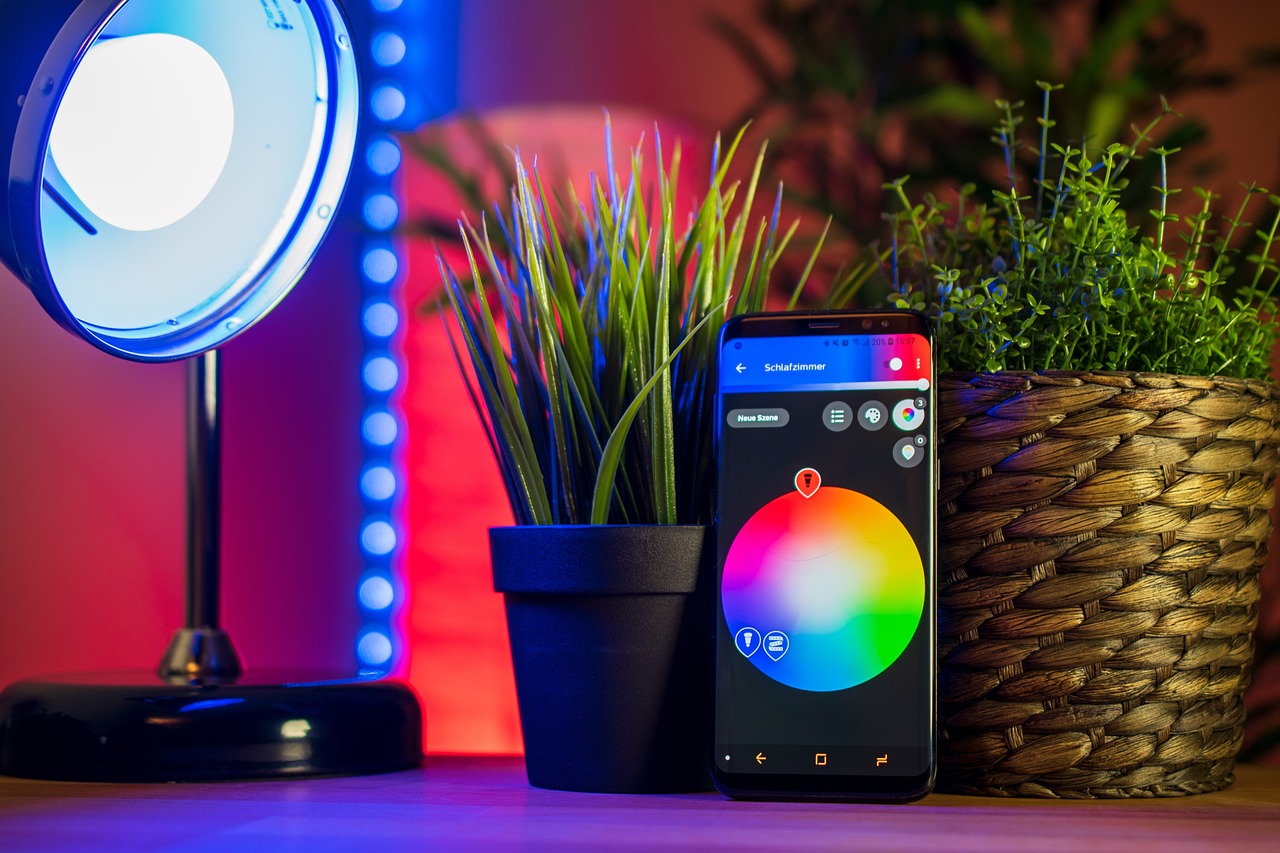
Moreover, homebuyers are increasingly considering how various smart technologies can enhance their lifestyles. The ability to control home systems remotely via smartphones or tablets offers unprecedented convenience. Features like automated blinds, lighting scenes, and smart appliances add an element of luxury that many buyers now expect. Additionally, smart home technologies can significantly increase appeal during property showings. Buyers are often drawn to homes where smart technology is seamlessly integrated and easy to use. Factors such as voice control and customizability are also appealing, allowing owners to tailor their environments to their preferences. As energy efficiency becomes a top priority for many homebuyers, the integration of smart devices into homes provides a sustainable solution, contributing positively to the environment. In fact, homes that utilize these technologies often exhibit higher resale values and quicker sales. Listings highlighting smart home amenities tend to attract more viewings and inquiries. This growing trend is reshaping the way buyers approach property hunting, as they now prioritize homes equipped with advanced technological features and create secure, efficient, and enjoyable living spaces.
The Impact on Market Dynamics
The introduction of smart home technologies is not merely a trend; it is reshaping market dynamics significantly. Real estate professionals are recognizing the importance of these features in property evaluations and marketing strategies. As a result, appraisers and agents are factoring smart technologies into their assessments, influencing listing prices and buyer perceptions. Homes equipped with smart features are perceived as being more reliable and less vulnerable to security threats, which enhances their overall appeal. Furthermore, smart home integration leads to a competitive edge in densely populated markets, where differentiation is key. Buyers are willing to pay a premium for homes with advanced tech options, viewing them as a long-term investment. As smart home technology continues to evolve, it is likely to influence future architectural designs, creating homes specifically intended for technological integration. This shift can, in turn, affect housing supply and demand trends, leading to a more innovation-focused market. Thus, staying ahead of these trends is essential for all real estate stakeholders to remain competitive in an ever-evolving industry.
Additionally, real estate investors are recognizing the importance of smart home technologies as they formulate strategies. The demand for rental properties with smart features is on the rise, as tenants search for homes that offer both convenience and sustainability. Landlords are increasingly investing in smart technology to enhance property management and improve tenant satisfaction. Properties equipped with smart systems often lead to lower utility costs and fewer maintenance issues, which is a compelling selling point for potential renters. Moreover, smart home technology can streamline operational efficiency, allowing landlords to monitor energy consumption and optimize resource usage in rental units. As this trend continues to gain traction, rental markets may see a shift toward smart, tech-enabled living spaces. The synergy between tech and real estate showcases the importance of staying current with innovations that meet consumer preferences. This dynamic not only fosters a better living experience for tenants but also allows landlords to maintain higher occupancy rates and charge premium rents. As a result, the integration of smart technologies in residential real estate reshapes investor approaches and creates new opportunities across markets.
Enhancing Buyer Experience
Smart home technologies are primarily designed to enhance the buyer experience substantially. Buyers are becoming increasingly aware that these systems allow for greater customization and efficiency in managing their homes. For example, the use of smart appliances can lead to time savings in daily tasks, appealing to busy professionals. The ability to monitor security cameras remotely provides convenience and peace of mind, especially for families. With the growth of IoT (Internet of Things), homeowners can benefit from interconnected devices that work together to create cohesive living environments. This improved experience boosts buyer satisfaction and leads to more referrals, benefiting real estate agents and agencies. Buyers are not just looking for houses; they are seeking lifestyles that smart homes can provide. Additionally, these technologies contribute to delivering on sustainability goals. Features such as energy-efficient lighting and programmable thermostats create lower carbon footprints, which resonate with environmentally conscious buyers. As buyers prioritize energy efficiency, homes with automated systems are positioned to become more attractive in the marketplace, leading to enhanced competition among real estate listings. Therefore, understanding the buyer experience becomes essential.
Further, the role of technology in the home buying journey has shifted dramatically. Virtual reality and augmented reality tools are being employed by real estate agents to offer immersive property tours featuring smart home systems live. Potential buyers can visualize how smart technologies integrate with the home and experience them firsthand during showings. This not only captivates buyers’ interests but also accelerates the buying decision process. Moreover, online platforms and apps dedicated to smart home management are on the rise, allowing buyers to explore their future home’s features before even stepping through the door. This tech-centric approach increases buyer engagement and helps to fulfill the expectation that modern buyers have for high-tech living environments. Consequently, as more buyers become accustomed to these technologies, their presence in listings is growing more prominent. Real estate professionals are thus obliged to adapt their strategies accordingly or risk falling behind. This emphasis on understanding evolving buyer demographics and preferences will determine successful sales outcomes in the competitive real estate market. Evidence suggests that technology adoption enhances engagement and conversion rates.
Conclusion and Future Outlook
To conclude, the influence of smart home technologies on the real estate market is undeniable. As buyers’ preferences continue to evolve, being equipped with modern technologies will become increasingly essential for homes to attract interest. Buyers recognize the value and adaptability of smart features, significantly, in a market where convenience and sustainability are central focuses. Real estate professionals must adapt to these changes to ensure they meet the expectations of a tech-savvy clientele. Utilizing smart technologies allows homeowners to maintain flexibility, control costs, and enhance daily living experiences. Moving forward, the integration of these technologies will inevitably shape future trends in residential real estate. Developers and builders are likely to prioritize smart home features to meet buyer demands, leading to a market ripe with innovation and efficiency. This environment will not only bolster property values but will also encourage sustainable practices among homeowners. Equipped with the right technology, properties can cater to modern demands while fulfilling long-term sustainability goals. As a result, real estate professionals must embrace these technological changes proactively to thrive in a rapidly changing marketplace.
This dynamic not only bolsters property values but also contributes positively to the overall quality of living, creating a win-win scenario for all stakeholders involved.