
The Role of Customer Feedback in Loyalty Program Development
Customer feedback is pivotal in shaping effective loyalty programs for businesses. Feedback provides insights into customer preferences, expectations, and experiences with products or services. This information can enhance the overall customer experience by allowing businesses to tailor their loyalty offerings. The collection of feedback can be done through various methods such as surveys, interviews, and social media interactions. These channels not only allow customers to express their views but also promote engagement with the brand. Gaining insights from feedback can help identify gaps in existing loyalty programs, enabling companies to make necessary adjustments and improve their strategies. Additionally, leveraging customer feedback promotes a sense of ownership among consumers, fostering stronger connections and engagement with the brand. This could result in increased customer retention and ultimately enhance the lifetime value of each customer. Implementing modifications based on feedback makes consumers feel valued, encouraging them to remain loyal to the brand. Furthermore, personalized loyalty programs can be established, catering directly to customer needs and preferences informed by collected feedback.
Creating a dynamic loyalty program is essential for engaging customers over time. Continuous improvement of loyalty programs should be driven by ongoing customer feedback. Regularly asking customers to share their opinions can be achieved through multiple platforms. For instance, after a purchase, businesses can send follow-up emails containing short surveys and direct links. These surveys can offer insight into areas needing enhancement, such as reward offerings, communication preferences, and service experience. Analyzing this data helps brands adapt the program accordingly. Successful loyalty programs are those that evolve based on consumer preferences and habits. Therefore, businesses should consider segmenting their customer feedback data for more targeted insights. Finding patterns and trends can reveal valuable information about different customer segments. Also, certain demographics may respond better to specific incentives or rewards. Effective utilization of this data allows businesses to personalize offers, making them more appealing. In doing so, brands can create unique experiences that resonate with customers, reinforcing their loyalty. Additionally, customers who provide feedback are often more committed, as they have a vested interest in improving the program. This engagement can be beneficial in evolving brand relationships.
Designing Rewards that Matter
One of the fundamental aspects of loyalty programs is designing rewards that genuinely resonate with customers. Customer feedback plays an essential role in identifying which incentives will be most appreciated. By understanding what customers want, businesses can develop meaningful rewards that encourage engagement. Some of the most effective loyalty rewards include discounts, exclusive access to products, or personalized offers. These rewards should align with customer expectations, which can be uncovered through surveys or feedback forms. Moreover, implementing tiered loyalty systems based on feedback can be effective. This allows customers to see how their behavior impacts their rewards, driving motivation to engage more with the brand. Acknowledging customer preferences helps create a program that reflects their desires, significantly impacting overall satisfaction. Furthermore, considering the emotional connection between customers and rewards can enhance engagement. For example, rewards linked to shared values or causes can foster a stronger bond with the brand. This approach encourages customers to feel invested in the loyalty program and the brand itself, culminating in developed emotional loyalty. Ultimately, this commitment translates to higher retention rates and increased word-of-mouth promotions.
In addition to understanding what customers want in terms of rewards, gathering feedback also reveals customer perceptions of the brand and loyalty program. This information is invaluable for shaping marketing strategies. Monitoring sentiment through feedback provides a clear view of brand health. If the feedback indicates a negative perception, businesses can quickly address concerns and fine-tune their loyalty offerings. For instance, if customers feel that a loyalty program is difficult to understand or offers insufficient value, brands can simplify the program’s structure or enhance reward offerings to meet these concerns. Frequent feedback loops create opportunities to tweak initiatives regularly, keeping customer satisfaction high. Moreover, transparent communication regarding changes based on feedback helps build trust. Customers appreciate knowing that their voices are heard and acted upon. This transparency can significantly enhance customer loyalty, as consumers feel valued. Using feedback strategically allows businesses to differentiate themselves from competitors by being responsive and customer-focused. Furthermore, proactively addressing potential concerns can prevent drift toward competitors. Continuous improvement driven by customer feedback keeps the loyalty program aligned with evolving consumer needs and market trends.
Utilizing Technology for Feedback Collection
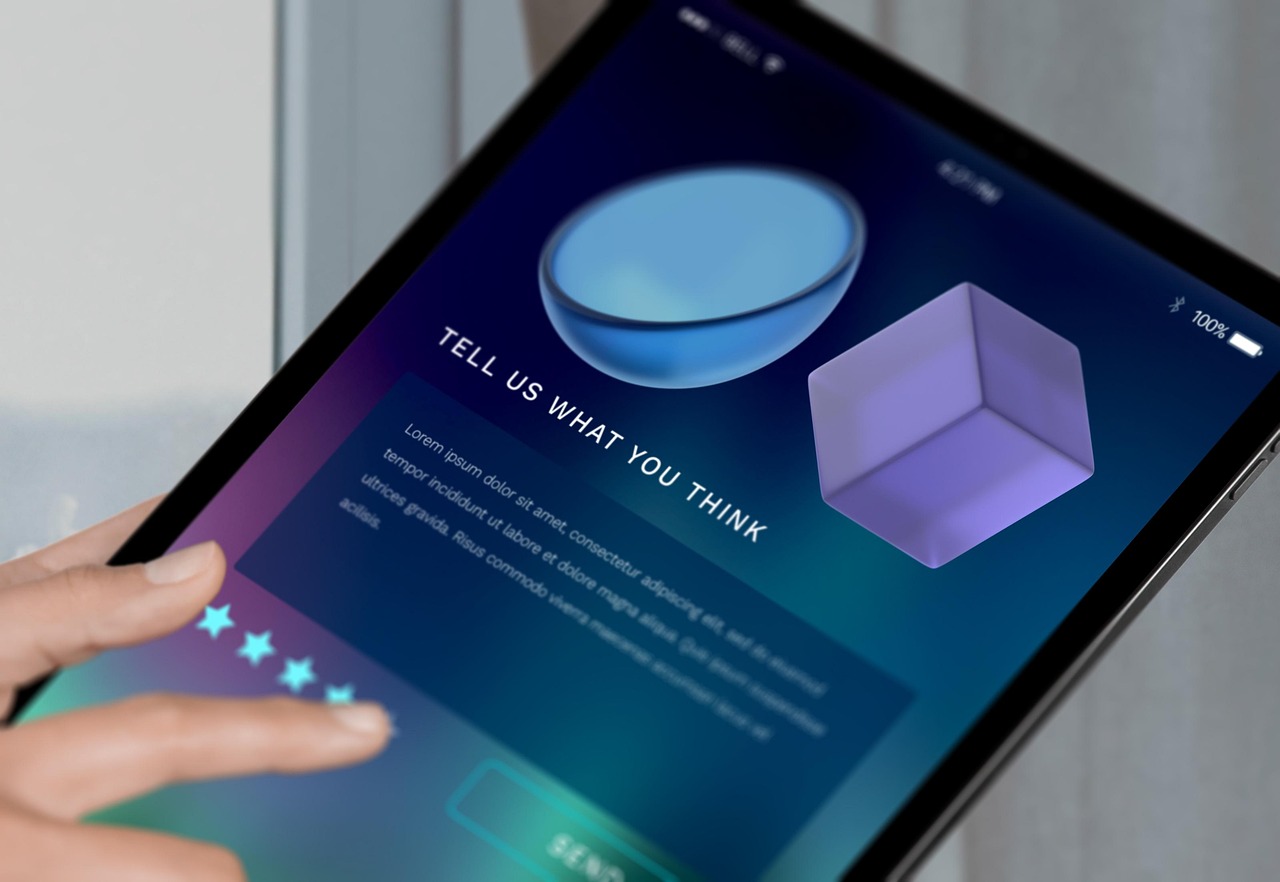
Advancements in technology enable businesses to efficiently collect and analyze customer feedback. Digital tools, such as mobile apps and website chatbots, facilitate real-time feedback from customers. This immediate access to insights allows brands to respond quickly and adapt their loyalty programs. Utilizing technology also allows for ease of participation, encouraging more extensive customer input. For instance, loyalty program applications can integrate feedback features actively, allowing customers to share their experiences and suggestions seamlessly. Gamification elements in loyalty apps can further engage customers, prompting them to provide feedback in exchange for rewards. Data gathered can be processed using analytical tools that reveal trends and insights to improve loyalty strategies. Machine learning algorithms can identify patterns in customer behavior, suggesting enhancements to loyalty programs. Additionally, sentiment analysis can gauge customer feelings regarding rewards and services, guiding necessary changes. By leveraging technology, businesses can better understand their audience and develop more effective loyalty offerings. Harnessing feedback effectively encourages continuous engagement and can significantly increase customer retention rates, as brands adapt to and anticipate customer needs more accurately.
Engaging customers through feedback can ultimately lead to innovative loyalty program enhancements. Creating a feedback-friendly culture can elevate customer relationships and loyalty. Encouraging a dialogue with customers shows that a brand values their opinions. Hosting focus groups or community forums allows customers to share their insights. Gaining detailed feedback through these channels can be insightful, as it fosters an environment where customers feel comfortable voicing their opinions. Furthermore, this open line of communication can lead to the development of new loyalty program ideas that resonate with customer interests. As new trends emerge, brands can rely on their customers to keep them informed about what they find appealing. Ultimately, leveraging customer feedback can encourage creativity in loyalty program design, offering fresh and exciting ideas that capture consumer attention. When customers provide suggestions on potential rewards or program features, they may feel more invested in participating actively. This engagement benefits brands by ensuring loyalty offerings remain contemporary and appealing, resulting in a sustainable long-term loyalty strategy. When brands listen and evolve, they build deeper connections with customers, reinforcing brand prestige and trust over time.
Conclusion: The Importance of Constant Feedback
In today’s competitive market, loyalty programs require constant evolution based on customer feedback. Implementing regular feedback collection processes ensures that businesses remain aligned with customer preferences. Undertaking comprehensive analysis of feedback helps determine what elements of the loyalty program are successful and which require improvement. Businesses should adopt an agile approach to loyalty program management, adapting strategies to changes in customer behavior and expectations. Establishing metrics to measure program effectiveness based on feedback will allow for data-driven decisions to enhance program offerings. Furthermore, every interaction points to a valuable opportunity for feedback to drive customer engagement and satisfaction. With an array of channels available to collect feedback, brands can ensure they observe consumer sentiments comprehensively. Prioritizing customer voices helps create loyalty ecosystems where customers feel understood and valued. As a result, businesses foster genuine relationships with their customers, leading to higher retention and advocacy rates. All these factors together define the success of a loyalty program. Ultimately, embracing customer feedback is indispensable for sustaining a competitive edge and evolving into a customer-centric organization.