
Integrating Mobile Wallets with Other Fintech Solutions
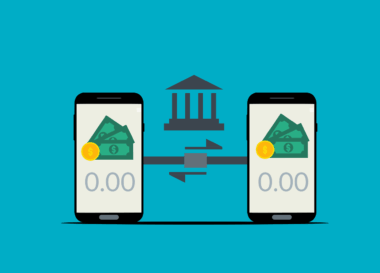
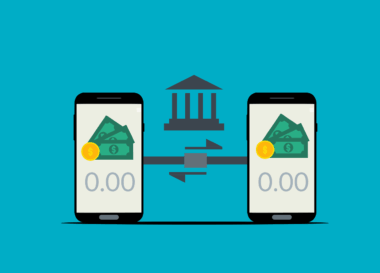
In today’s fast-paced digital world, mobile wallets have emerged as one of the most convenient financial tools, allowing users to store and manage their payment information seamlessly. The rise of fintech innovations has led to increased integration of mobile wallets with various financial services, enhancing user experience and security. By connecting mobile wallets to online banking systems, consumers can make quicker transactions without the need for physical cards. Moreover, this integration promotes financial literacy as users gain easier access to tracking their spending through mobile wallet interfaces. The experience can be further enriched by enabling automatic budgeting tools and savings features within the wallet itself, ensuring users remain informed about their financial health. Also, fintech firms are increasingly investing in improving the interoperability of wallets with peer-to-peer payment systems. This capability allows for effortless transactions between users, making it easier for friends and family to split bills or send money. Furthermore, as the adaptation of mobile wallets continues to grow, their integration with e-commerce platforms contributes to streamlining the purchasing process, providing personalized recommendations based on user spending habits. This synergy creates a more engaging and efficient financial ecosystem.
Security remains a top priority for both consumers and fintech innovators. As mobile wallets integrate with various financial services, addressing privacy and security concerns becomes paramount. With features such as biometric authentication and advanced encryption techniques, mobile wallets are increasingly secured against fraud and unauthorized access. Trust in mobile payment solutions is vital for user adoption, and fintech companies must continually innovate to stay ahead of potential security threats. This includes regular software updates and enhanced fraud detection measures, utilizing artificial intelligence to anticipate user behavior and identify inconsistencies in transaction patterns. In essence, as mobile wallets connect with banking systems, ensuring a robust security framework leads to increased customer peace of mind. Additionally, the implementation of regulatory compliance and data protection policies plays a crucial role in user trust. Compliance with regulations like GDPR or PSD2 not only safeguards user data but also enhances the reputation of fintech firms. This proactive approach to security can significantly differentiate one mobile wallet from its competitors, establishing it as a reliable choice in the market. Therefore, addressing security issues while integrating wallets opens pathways for widespread adoption of financial technologies.
Enhancing User Engagement Through Integration
Engagement remains a critical aspect of the success of mobile wallets. Integrating mobile wallets with loyalty programs allows users to accumulate rewards or cashback effortlessly. This integration fosters habitual usage and enhances financial engagement among consumers. For example, users can earn points simply by using their mobile wallet at partnering merchants, which can later be redeemed for discounts or exclusive deals. This interactivity creates a richer experience and encourages a regular behavioral pattern, which can drive customer retention. Furthermore, integrating financial education tools into mobile wallet applications can enhance user experience and promote better financial management. These features can offer tips on spending wisely or insights into saving methods, contributing to improving users’ overall financial literacy. Moreover, as consumers increasingly seek personalized experiences, algorithms and AI tools can analyze spending behavior and provide tailored recommendations for budgeting and investment options. This increasing personalization not only maintains user interest but also propels users towards making informed financial decisions. In deploying these integrations, fintech companies further position themselves as valuable partners in consumers’ lives, bridging connections between technology and daily financial management.
The integration of mobile wallets with investment platforms represents another avenue of growth within fintech. This merger allows users to invest directly from their wallets, making financial markets more accessible to a wider audience. Providing users with tools to manage both savings and investments within a single platform significantly enhances the user experience. By streamlining fund transfers between wallets and investment accounts, fintech firms can foster a seamless user journey. Additionally, integrating mobile wallets with insurance services introduces new dimensions to personal finance. Consumers can manage and pay for their insurance premiums conveniently through their mobile wallets. With features like instant policy updates and claims filing, these integrations can demystify the insurance industry while making it more user-friendly. Furthermore, as fintech evolves, the prospect of integrating automated savings tools that round up transactions and invest the spare change becomes increasingly feasible. This characteristic allows users to invest without compromising their financial health. By making investing more accessible via mobile wallets, fintech firms can significantly enhance overall financial inclusion and pave the way for younger audiences to engage with investment opportunities.
Collaborations with Merchants and Businesses
For mobile wallets to thrive, collaborations with merchants and businesses are essential. Integrating mobile wallets into retail checkout systems provides mutual benefits—enhanced customer convenience for users and increased sales for merchants. This partnership facilitates quick checkouts, which can lead to improved customer satisfaction. Retailers can leverage this integration not just as a payment method, but as a marketing tool, offering personalized promotions directly to the wallet users. With location-based services, consumers can receive tailored offers while shopping nearby, driving higher traffic to retail outlets. Furthermore, merchant analytics can gain insights from mobile wallet transactions to tailor offerings based on consumer behavior. Employing data analytics allows businesses to develop targeted marketing campaigns, aligning product offerings with customer preferences. Additionally, the integration ensures that mobile wallets can collect feedback and reviews, enhancing the overall buying experience further. These integrations can expand to include loyalty rewards linked to specific purchases, allowing customers to keep track of points without having to remember multiple cards. Ultimately, the collaboration between mobile wallet providers and businesses creates a more dynamic marketplace that can adapt quickly to meet user demands.
Incorporating rewards and gamification into mobile wallets introduces another level of user interaction. Gamifying the user experience can elevate engagement by allowing users to earn badges or climb leaderboards based on their transactions and activities. This strategy not only makes finance entertainment but also encourages users to explore different features offered by the mobile wallet. Incorporating games or challenges related to saving may motivate users to adopt better financial habits as they aim to achieve rewards. Additionally, partnering with financial planners to provide financial goals can effectively bolster user engagement. Users can set milestones within their wallets, aided by achievable tasks and rewards provided when they reach their objectives. This way, the integration of gamification transforms mobile wallets from simple transactional tools into comprehensive financial management platforms. As a result, users are more likely to develop a lasting relationship with their mobile wallets. Designers and developers are thus tasked with creating and maintaining engaging and enriching content across their platforms. The future of mobile wallets may hinge on their ability to cultivate ongoing user engagement and build a community around smart financial habits.
Future Trends in Mobile Wallet Integration
Looking towards the future, the growth of mobile wallets is poised to expand further through innovative integrations. The onset of digital currencies and cryptocurrencies is creating opportunities for mobile wallets to adapt seamlessly, allowing users to manage both fiat and digital currencies. This adaptation represents a significant leap towards financial inclusivity and resiliency in the evolving economic landscape. As digital currencies become more widely accepted, the functionality offered by mobile wallets is likely to shift, aligning with the demands of a more diverse currency base. Furthermore, incorporating artificial intelligence into mobile wallet systems may lead to more sophisticated customer support mechanisms. Chatbots can address user inquiries efficiently, providing personalized solutions based on user behavior patterns while ensuring a smooth experience. Additionally, robust data analytics tools can enhance market research capabilities, providing valuable insights into user preferences and transactions. Ultimately, as the fintech landscape rapidly evolves, so too must the capabilities and offerings of mobile wallets. Keeping pace with emerging trends and consumer demands will enable mobile wallets to continually innovate and remain at the forefront of digital finance solutions.
To summarize, integrating mobile wallets with other fintech solutions offers vast opportunities to improve user experience, increase engagement, and promote financial literacy. Through collaborations with merchant systems, investment platforms, and loyalty programs, consumers can navigate their financial lives with unprecedented ease. As security becomes paramount, fintech companies must prioritize robust protections to foster trust. The incorporation of gamification creates a dynamic element that can further captivate users as they explore new features. Looking ahead, the rise of digital currencies and AI-driven functionalities will shape the future of mobile wallets. By prioritizing the integration of these features, mobile wallets can evolve into comprehensive financial platforms that adapt to user needs. This evolution presents greater financial inclusivity and resilience, countering traditional banking barriers. The continuous development of features within mobile wallets will also likely lead to enhanced collaboration across various sectors, driving innovations. Investing in user-friendly design, security, and personalization will position mobile wallets as indispensable tools in the financial ecosystem. Thus, fintech innovators must keep exploring integration avenues for sustainable growth and user satisfaction.