
Best Practices for Collecting and Interpreting Event Data
To achieve effective event marketing, it is crucial to collect the right data efficiently. First, identify key performance indicators (KPIs) that align with your marketing goals. These could include attendee numbers, engagement levels, or conversion rates. Next, implement various data collection methods such as surveys, registration forms, and social media tracking. Utilize tools like Google Analytics or Eventbrite to facilitate this process. Another valuable approach is to leverage real-time data analytics to monitor these metrics during the event. This can help adjust your strategies on-the-fly, enhancing the overall experience. Conduct post-event assessments to gather insights into attendees’ perceptions and preferences. Make sure to communicate clearly during these assessments to maximize participation. Additionally, segment your audience based on the data collected. This segmentation will enable you to tailor marketing efforts in future events. Finally, ensure compliance with data protection regulations by informing attendees how their data will be used. By adopting these best practices, you can cultivate a strong data-driven approach to refine your future event marketing strategies.
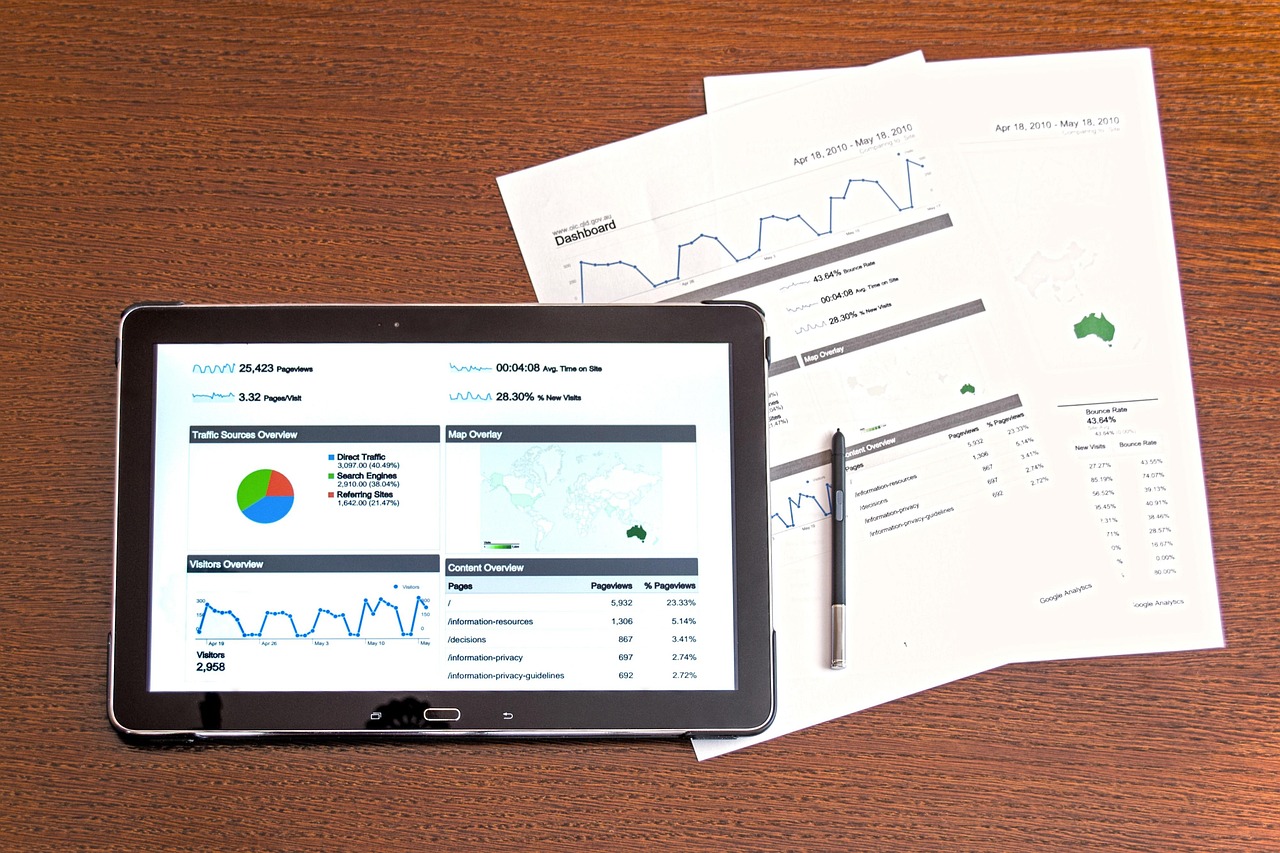
Analyzing collected event data is equally important for optimizing results. Once data is gathered, organize it systematically to facilitate interpretation. Start with a detailed breakdown of the data into categories aligned with your KPIs. Use visual representations such as graphs and charts to make data analysis more intuitive. Software tools like Tableau or Microsoft Power BI can help you present data visually, allowing stakeholders to grasp insights quickly. Additionally, consider integrating qualitative data from attendee feedback to enrich your analytics. This holistic approach offers a deeper understanding of participant experiences, enabling you to address any concerns. Regularly reviewing your data interpretation methods is essential for continuous improvement. As the event landscape evolves, your analysis techniques may need updates. Focus also on identifying trends over time, which can inform future event planning. With annual events, for instance, look back on data from previous years to spot recurring patterns. Always document your findings and insights for future reference, ensuring that your team can build upon past successes. This structured approach will empower you to make well-informed decisions and improve event outcomes.
Utilizing Technology for Data Collection
Embracing technology can greatly enhance the efficiency of data collection processes. To start, consider adopting mobile applications designed for event management. These apps can support real-time feedback and streamline ticketing and registration procedures. Such tools not only simplify data acquisition but also improve attendee experiences at your events. Employing RFID wristbands or QR codes can further enhance engagement by providing interactive elements. When attendees check-in using these tools, you receive instantaneous data on attendance and participant behavior. Moreover, social listening techniques through platforms like Hootsuite can offer insights into attendee sentiment and engagement levels across social media. Analyze interactions and mentions related to your event for a broader perspective on audience perceptions. Integrating customer relationship management (CRM) systems can also streamline your data collection efforts and ensure that all attendee information is accessible from one centralized location. That not only enhances the data collection process but also lays a strong foundation for personalized marketing efforts in future events. By leveraging these technologies effectively, you can transform event marketing data into actionable insights and enhanced participant engagement strategies.
Data-driven decision-making in event marketing is vital to success. Evaluate your data not just as numbers, but as a narrative that can drive future actions. Comparing metrics across various campaigns allows you to evaluate what works best for your audience. Create dashboards to track the performance of all your events in one place. This centralized visibility supports better decision-making to refine future strategies. Share these insights with your team and stakeholders for collaborative discussion on possible improvements. Analyzing competitive events can provide additional context. Research what your competitors are doing to understand their successes and failures. This understanding can help you differentiate your events and improve engagement. Furthermore, fostering a culture of continuous learning is essential, where team members are encouraged to suggest new ideas based on data insights. Training sessions focused on data interpretation skills can uplift team capabilities, enhancing their ability to make informed decisions. Ultimately, it boils down to leveraging data insights to create more personalized and engaging experiences for your attendees. By making data-driven decisions, your events can consistently exceed expectations and create lasting impressions.
Engaging Attendees in Data Collection
Engaging attendees in the data collection process can yield invaluable insights. Incorporate interactive elements like polls, live Q&A sessions, or gamification features to enhance attendee participation. Providing incentives such as special offers or prizes can significantly motivate attendees to provide feedback. Ensure that data collection methods are user-friendly and accessible on multiple devices. Attendees are more likely to engage with surveys or polls that are easy to complete. Clear communication about the purpose of the data collection can also boost participation as attendees understand how their input contributes to enhancing future events. Deploy strategies to gather demographic data which can provide critical insights into your audience segments. Such segmentation allows you to tailor experiences and marketing materials based on attendees’ preferences or behaviors. Utilizing natural language processing tools can help analyze open-ended responses more effectively, providing deeper insights than numerical data alone. Make sure not to overlook the post-event follow-up; sending a thank-you email with links to surveys encourages continued engagement and shows appreciation for their participation. This approach not only collects helpful data but also strengthens relationships with your attendees.
Creating a culture of feedback post-event is essential for continuous improvement. Implement effective post-event surveys to gauge attendee satisfaction and uncover areas needing enhancement. Begin by establishing specific questions that align with your event’s goals. Utilize rating scales along with open-ended questions to capture a holistic view of experiences. Reaching out through multiple channels, such as emails or mobile notifications, can improve survey response rates. Analyze the results to identify trends and patterns, looking for any recurring comments or suggestions for improvement. Addressing these insights publicly can reinforce trust and transparency with your audience. Moreover, fostering an ongoing feedback loop ensures that attendees feel valued and heard. Consider implementing follow-up calls or focus groups with key stakeholders for more in-depth discussions. This can provide actionable insights into the effectiveness of your event and your marketing strategies. Continually refine your data collection processes based on these findings to make future events even better. By embedding a feedback culture, you can sustain long-term relationships with your audience while ensuring your events remain relevant and impactful.
Final Thoughts on Event Data
Capturing and utilizing event data is crucial for refining marketing strategies and enhancing attendee experiences. By combining various data collection techniques and adapting technology, you can gather comprehensive insights. Prioritize data interpretation methods that are clear and actionable to convert insights into effective marketing initiatives. Regularly revisit and refine data-driven strategies to keep pace with evolving audience expectations. Equally important is engaging your attendees in the feedback process to ensure meaningful data collection. This two-way communication fosters relationships while providing valuable insights to drive future event success. Incorporating attendee suggestions and championing transparency will cultivate loyalty and make them feel valued. Ultimately, an effective approach to event marketing analytics contributes significantly to the overall impact of your events. Implementing these best practices will position your organization favorably in the event marketing landscape. Strive for continuous improvement and ensure every event builds on the successes of the past. As you delve deeper into event marketing analytics, the next stages of your marketing journey will become increasingly data-centric, paving the way for elevated audience engagements and memorable events.
To enrich every interaction with data, maintain robust documentation of all your findings. Implement a routine schedule for reviewing past event successes and failures, allowing for constant evaluation and adjustment. By systematically assessing outcomes, your marketing team can adopt a proactive approach towards future events. Emphasize building a centralized repository where all data insights are easily accessible. This resource will serve as a knowledge base for your marketing strategies, ensuring no valuable information is lost over time. Regular team discussions centered on these insights will also bolster your collaborative efforts. The more informed your team is about past events, the better prepared they will be for the future. Embrace a culture of data-driven thinking where innovative ideas are informed by clear evidence. Encourage staff members to experiment with new event formats and audience engagement techniques based on data-driven insights. By nurturing a culture of informed experimentation, you can pave the way for uniquely engaging and successful events. Final takeaway, always keeping an open mind to the insights data provides will enrich your event marketing strategy for years to come.