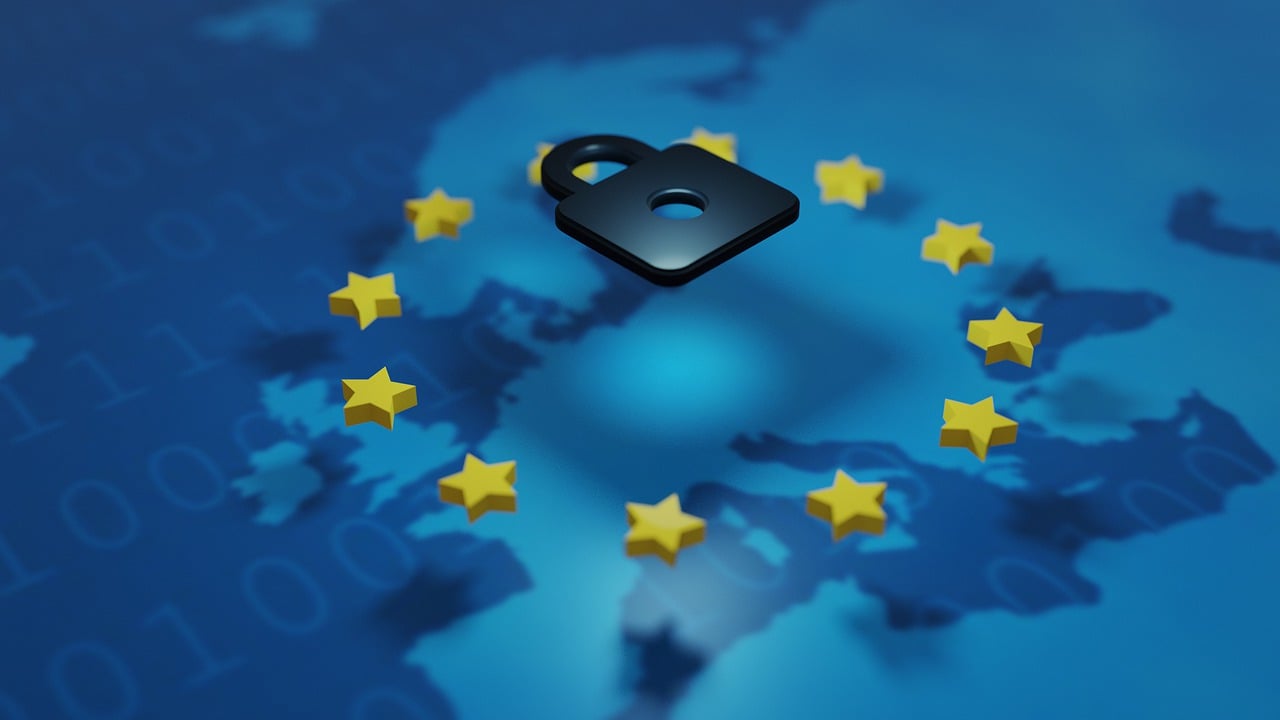

Personal Data Privacy and Geotargeting: What Marketers Need to Know
In the realm of direct marketing, geotargeting has emerged as a critical strategy to enhance audience engagement. It allows businesses to tailor their messages to specific geographical regions, increasing relevance and effectiveness. However, with the growing emphasis on data privacy, marketers must navigate carefully through numerous challenges. Consumers are more critical of how their personal data is collected and used. This heightened awareness leads to demands for greater transparency and control over their information. To stay competitive, marketers must ensure their geotargeting strategies align with privacy regulations such as GDPR or CCPA. These laws impose strict guidelines on data collection, storage, and processing, so non-compliance can result in hefty fines. Marketers need to adopt ethical practices that prioritize consumer trust and satisfaction. Additionally, leveraging consent-based data collection methods helps in building this trust, where consumers willingly share their information in exchange for personalized experiences. It’s essential for marketers to focus on providing value, ensuring that their geotargeting efforts do not compromise consumer privacy. By implementing more respectful strategies, marketers can sustain consumer loyalty while still achieving their marketing objectives.
The Impact of Privacy Regulations on Geotargeting
Regulatory frameworks significantly impact the implementation of geotargeting strategies for marketers. Laws like the GDPR place stringent requirements on how personal data can be utilized for marketing purposes. Under these regulations, marketers must follow specific guidelines to ensure consumer rights are safeguarded. For example, obtaining explicit consent before collecting or utilizing personal data has become paramount. Marketers should adopt transparent practices about data usage, making it clear how and why data is collected. Compliance can be complicated, as each region may have its unique set of rules that must be adhered to. Marketers risk severe repercussions if they fail to comply, including substantial fines and damage to their brand’s reputation. To navigate these challenges effectively, understanding the regulations applicable in target markets is crucial. Additionally, businesses should invest in secure data handling practices to minimize risks. By respecting privacy regulations, marketers can differentiate themselves from competitors, showcasing their commitment to consumer rights. Moreover, when consumers feel protected and valued, they are more likely to engage positively with brands, providing an invaluable opportunity for sustainable growth.
As data privacy continues to evolve, businesses are exploring innovative solutions to balance effective marketing with ethical practices. Utilizing anonymized data is one approach that enables marketers to gather insights without compromising consumer privacy. This method allows for the generation of valuable marketing data while maintaining individuals’ confidentiality. Techniques such as data aggregation help in drawing patterns without exposing any personal identifiers. Additionally, marketers may turn to privacy-first measurement tools that respect consumer preferences. This helps ensure that insights derived from geotargeting initiatives do not result in the identification of specific individuals, thus avoiding privacy violations. Educating consumers on how their data is managed can further enhance trust. For instance, providing clear information on data anonymization processes demonstrates a brand’s commitment to ethical standards. Marketers can leverage platforms that prioritize privacy and ease of use, allowing consumers to control their information preferences. By integrating privacy protection into their marketing strategies, brands can ensure compliance and foster open communication. This approach not only satisfies regulatory requirements but also creates a positive perception among consumers. Ultimately, it contributes to a more sustainable marketing environment focused on mutual respect and transparency.
Consumer Expectations and Trust
In the context of geotargeting, fostering trust is crucial for successful marketing strategies. Consumers expect brands to respect their privacy and handle their data responsibly. Surveys reveal that a significant percentage of consumers are more likely to engage with brands demonstrating strong data protection measures. Trust once established leads to increased customer loyalty and advocacy, while breaches can result in losing customer confidence instantly. Marketers should actively communicate their data handling practices to build transparency. Clear and engaging privacy policies can help demystify how data collected for geotargeting is used. Furthermore, businesses can enhance trust by providing consumers with options to manage their preferences, enabling them to understand how information is utilized. Another effective approach involves implementing feedback mechanisms that allow consumers to voice their concerns regarding data use. This two-way communication fosters an environment where consumers feel valued, encouraging them to share their data for personalized experiences willingly. Marketing strategies founded on trust not only comply with regulations but also resonate deeply with consumers, leading to stronger relationships. Brands that prioritize consumer expectations will find themselves better positioned to thrive in an increasingly privacy-conscious landscape.
Integrating technology into geotargeting efforts brings exciting opportunities for marketers while requiring careful attention to privacy issues. Advances in artificial intelligence and machine learning enable marketers to analyze vast amounts of data effectively. Through these technologies, businesses can tailor their messages more precisely based on user behavior and location, enhancing engagement. However, with improved capabilities comes heightened scrutiny concerning data security and ethical use. To reassure consumers, marketers must implement robust security measures to protect data integrity. Consistently updating security protocols and investing in cybersecurity tools is essential to mitigate risks of data breaches. Additionally, adopting opt-in mechanisms can create an environment where consumers feel more empowered. When consumers have control over their data sharing preferences, their willingness to engage increases, further refining geotargeting efforts. Marketers must also remain attentive to emerging technologies that can facilitate compliant practices without compromising consumer privacy. For instance, utilizing geo-fencing while ensuring that consumer consent is prioritized can yield positive outcomes. These strategies align with evolving consumer sentiment that emphasizes data privacy while embracing personalized experiences. Brands employing technology thoughtfully can achieve impactful marketing results and foster lasting customer relationships.
The Future of Geotargeting in Marketing
Looking ahead, the role of geotargeting in marketing is expected to evolve significantly, influenced largely by ongoing data privacy debates. As legislation continues to strengthen consumer protection rights, marketers must adapt their strategies accordingly. This shift will likely see an increase in demand for ethical marketing practices that prioritize consumer consent and data security. Transparency in information sharing is becoming a key differentiator for brands. Companies that can demonstrate their commitment to responsible data utilization will likely enjoy competitive advantages in attracting and retaining customers. Additionally, integration with emerging technologies such as augmented reality may redefine geotargeting applications. Imagine consumers receiving personalized offers through AR based on their real-time location while feeling secure about their data privacy. These innovations, coupled with a strong ethical foundation, can create enriching consumer experiences. The future will not only require marketers to execute effective campaigns but also make responsible choices about data. Ensuring privacy is at the forefront will forge stronger consumer connections, ultimately enhancing customer experiences. As the marketing landscape shifts, adaptability and commitment to privacy will determine the effectiveness of geotargeting strategies.
Ultimately, finding the right balance between data-driven marketing and privacy is paramount for sustainable growth. Marketers must continue evolving their strategies to comply with regulatory requirements while understanding consumer expectations. Embracing a holistic view of privacy in geotargeting efforts fosters goodwill among consumers, ensuring that their trust is maintained. Furthermore, proactive communication about how consumer data is utilized should be a priority for brands looking to differentiate themselves in a crowded market. By providing consumers with clear insights and control, businesses can more effectively harness geotargeting technologies. Engaging consumers in the conversation surrounding their data encourages transparency, leading to stronger relationships and more successful marketing campaigns. As understanding of consumer rights expands, brands that adapt to these changes will not only comply with legal standards but also resonate with the growing demand for ethical marketing practices. The future of geotargeting hinges on a collaborative approach that respects consumer privacy while delivering personalized marketing experiences. Thus, marketers must recognize that respecting privacy is not just a legal obligation but a significant factor in achieving long-term success.
Conclusion
In conclusion, personal data privacy and geotargeting present both challenges and opportunities for modern marketers. Navigating the intricacies of data privacy regulations necessitates a commitment to ethical practices and transparency. By embracing the changing landscape of consumer expectations, marketers can foster trust and loyalty. Demanding respect for consumer privacy is not merely about compliance; it is essential for connectivity and brand credibility. Marketers who prioritize these principles will create meaningful relationships with their customers. The evolution of technology and consumer sentiment will continue influencing geotargeting strategies. Thus, marketers should stay informed about emerging trends and regulations, ensuring flexibility to adapt their practices over time. Preparing for future challenges and prospects will help marketers successfully balance the need for targeted campaigns with maintaining privacy. Brands that communicate their values and actions effectively will inspire greater consumer confidence while achieving business objectives. Ultimately, the key to success lies in how well businesses blend effective marketing strategies with sound ethical practices. Importantly, this ensures they build lasting connections with consumers who value their privacy as much as tailored marketing.