
Latest Trends in Crypto Wallet Technology
In recent years, cryptocurrency wallets have seen a surge in innovation, impacting how users manage digital assets. These wallets, whether cold or hot, are evolving to enhance security and user experience significantly. Moreover, decentralized finance (DeFi) introduces new wallet functionalities, enabling users to engage in lending, borrowing, and yield farming directly. As security concerns rise, wallet development teams focus on multi-signature capabilities that require several keys for transaction approval. This method drastically reduces risks associated with wallet hacking, ensuring a safer environment for cryptocurrency holders. Furthermore, many wallets are now integrating biometric authentication features, like fingerprint and facial recognition, ensuring that only authorized users can access their funds. Developers are also exploring integration with smart contracts, which allows wallets to perform complex operations autonomously. This adaptability is crucial as the need for intuitive interfaces, security, and functionalities in wallets is growing. User-friendly designs motivate even non-tech-savvy individuals to invest in cryptocurrencies. As the competition increases, wallet companies prioritize not just safety but also usability and features that accommodate a broader range of financial activities within the crypto ecosystem.
One notable trend is the emergence of non-custodial wallets that allow users to maintain full control over their private keys. This significant shift ensures users possess their assets without relying on third-party custodians, minimizing the risk of hacks or institutional failures. These wallets empower individuals by providing unparalleled security and privacy. However, they also demand that users take responsibility for securely storing their keys. The rise of hardware wallets also complements this trend, offering a physical device that keeps private keys offline. As a result, hardware wallets have become increasingly popular among serious investors looking to safeguard large amounts of cryptocurrencies. Additionally, advancements in technology mean these devices now feature user-friendly interfaces, making them accessible to novice users. Furthermore, mobile wallets are becoming sophisticated, introducing features like QR code scanning for instant transactions and integrated exchanges that facilitate buying and selling directly from wallet applications. The integration of multiple cryptocurrencies into a single wallet is another trend that simplifies user experiences. This convenience aligns with the growing interest in diversifying one’s cryptocurrency portfolio, allowing seamless transactions across various digital assets.
Security Enhancements
Security remains a paramount concern in the cryptocurrency arena, with wallets striving to bolster their defenses against potential threats. Wallet providers are coming up with advanced encryption methods that safeguard user data and assets from cybercriminals. Additionally, some wallets are embracing hardware security modules (HSMs) to enhance key management, isolating cryptographic processes from the internet, thereby reducing exposure to attacks. Another security measure gaining traction is the implementation of recovery phrases, enabling users to retrieve access to their wallets if devices are lost or stolen. However, users must understand the safeguarding of these phrases, as losing them can lead to irreversible losses. Emerging technologies like artificial intelligence are being tested in wallet applications to detect unusual activities that warn users of possible fraud attempts. Education plays a critical role in security, as wallet companies are increasingly offering guides and resources to help users understand the importance of safe practices. Furthermore, community-driven feedback mechanisms allow users to report vulnerabilities, fostering a proactive approach to security. As cryptocurrency adoption increases, wallets must continuously adapt to evolving threats, ensuring user safety and confidence in managing their assets securely.
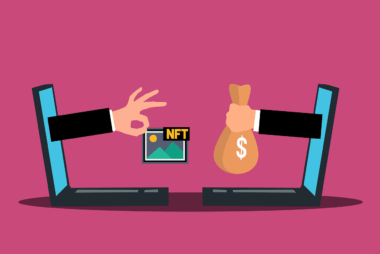
The rise of decentralized applications (dApps) has influenced the evolution of crypto wallets, integrating multifaceted functionalities. For example, many wallets now allow direct interaction with dApps, providing users easy access to decentralized exchanges, NFT marketplaces, and gaming platforms. This interoperability expands the essential role of wallets as hubs for various activities rather than mere storage solutions. By enabling users to engage with these applications, wallets foster greater versatility in cryptocurrency usage, simplifying complex transactions. Moreover, collaborations between wallet providers and dApp developers are increasingly common, as they aim to enhance compatibility and streamline user experiences. This synergy can lead to novel features that attract more users and improve overall satisfaction. Educational resources are now often embedded within wallets, guiding users on how best to leverage dApps safely. Security features such as transaction previews help users verify operations before confirming them, reducing error risks. Wallets that offer integrated features to monitor and manage multiple crypto assets are ideal for users seeking a comprehensive overview of their digital portfolios. As this trend gains traction, we can expect new functionalities, further revolutionizing how users interact with their finances in the crypto landscape.
User Experience Innovations
As the cryptocurrency market becomes more competitive, user experience (UX) innovations are gaining prominence in wallet development. Many companies are recognizing the importance of providing an intuitive interface that simplifies navigation. Implementing streamlined onboarding processes is vital to convert new users and retain existing ones. Features like customizable dashboards allow users to configure their wallet layout according to their preferences and requirements. A clear design and informative prompts make it easier for users to perform transactions, check balances, or engage with dApps seamlessly. Another growing trend in UX is the integration of gamification elements within wallets to encourage user engagement and learning. For instance, educational modules that reward users for completing tutorials on security practices or cryptocurrency trading help increase their interaction with the wallet. Additionally, community feedback loops enable wallet developers to make iterative improvements based on real user insights. Mobile applications are also being optimized for performance, ensuring quick load times and responsiveness across various devices. Embracing these user experience enhancements will play a crucial role in convincing more people to adopt digital currencies and effectively manage their portfolios long-term.
The integration of social features in cryptocurrency wallets is another emerging trend that can significantly impact user engagement. Wallets are now introducing functionalities that allow users to share transactions, send cryptocurrency via social networks, or even collaborate on investments with friends. These capabilities create a more interactive and community-oriented experience, attracting millennials and Gen Z users who prefer social interactions. Additionally, wallet providers are exploring partnerships with social media platforms to facilitate seamless integration, enhancing convenience and accessibility. Features enabling users to follow influencer feeds or participate in community discussions may encourage learning and peer support within the crypto space. Moreover, social features can simplify the process of introducing new users to cryptocurrency, making it easier to receive guidance and assistance from more experienced investors. However, privacy concerns regarding data sharing and transactions must be addressed. Wallets need to ensure that users have control over their information, allowing them to engage socially without compromising their security. By striking this balance, crypto wallets can harness the power of social connections and seriously boost cryptocurrency adoption rates.
The Future of Crypto Wallets
As we look toward the future, the landscape of cryptocurrency wallets will continue to evolve alongside technological advancements and user demands. The integration of artificial intelligence and machine learning into wallets can revolutionize how users manage their assets. Predictive analytics could offer customized recommendations regarding smart trading practices based on historical patterns. Furthermore, advancements in cross-chain compatibility will enable wallets to support a more extensive range of cryptocurrencies, easing the transition for users entering the digital market. Additionally, augmented reality experiences may provide users with an immersive way to visualize their portfolios and transactions. Wallets are also likely to evolve regarding regulatory compliance. As governments introduce stricter regulations on cryptocurrency exchanges, wallets may implement identity verification and anti-money laundering procedures to ensure compliance. This shift could help mitigate the risks involved in the crypto space while promoting broader acceptance. As wallet technologies develop, partnerships with fintech organizations may emerge to enhance usability and financial literacy. Ultimately, the future of crypto wallets will focus on security, usability, and innovative features that cater to an increasingly diverse user base.
In conclusion, the latest trends in crypto wallet technology highlight a clear emphasis on security, user experience, and integration with the broader decentralized ecosystem. As more individuals embrace cryptocurrencies as a viable financial solution, wallet providers must prioritize innovations that meet users’ dynamic needs. The growth of non-custodial options, decentralized finance capabilities, and enhanced user interfaces signals a promising direction for the industry. The incorporation of social features and advanced security measures serves to widen the appeal of crypto wallets, attracting a diverse user base. Each of these trends signifies a notable shift in understanding user requirements and providing tailored solutions for managing digital assets. These changes will not only increase cryptocurrency adoption but also lay the groundwork for a more robust ecosystem. The future holds exciting possibilities for developers and users alike, with continuous developments ensuring that cryptocurrency wallets remain integral to financial transactions and interactions. Embracing technology’s evolution will be critical for wallet developers to ensure they remain at the forefront of a rapidly changing landscape in the crypto world. As we navigate this journey forward, collaboration, innovation, and security will determine the trajectory of crypto wallets.