
Interpreting Market Data to Write Impactful Reports
When interpreting market data, the objective is to translate complex information into actionable insights. Understanding the metrics that matter is crucial in developing reports that resonate with stakeholders. Key components include identifying trends, defining target demographics, and measuring the effectiveness of marketing campaigns. Using qualitative data enhances the narrative by providing context, while quantitative data validates findings. Ultimately, a comprehensive approach leads to impactful reporting, driving better decision-making. To achieve clarity in reports, consistency in data presentation is essential. Utilizing graphs and charts allows readers to visualize trends effectively. Moreover, incorporating infographics can break down complex information into digestible pieces. Maintaining a focus on key metrics helps keep the report concise and relevant. Consider including a section that highlights potential implications of the findings, as this invites strategic discussions. Always remember to validate the sources of your data and clarify how they affect the conclusions drawn in your reports. Without a transparent methodology, credibility may diminish. Additionally, be sure to proofread your report for coherence and consistency before distribution.
Beyond mere presentation, the structure of a market report directly influences its impact. Organizing the report logically enhances comprehension and allows stakeholders to navigate easily. Start with an executive summary that encapsulates key findings and recommendations. Following this, include sections dedicated to methodology, data analysis, and discussion. Each section must build upon the previous one, reinforcing the overall narrative. Utilizing headings and subheadings effectively can help in guiding the reader’s attention to pertinent details. Another essential aspect is context; reports should be framed within the current market landscape to demonstrate relevance. Discuss competitors, market trends, and shifts to provide a well-rounded perspective. Simultaneously, it is vital to avoid jargon that might alienate non-specialist audiences. Clarity should always take precedence, ensuring that information is both accessible and engaging. Consider employing bullet points to highlight significant data or proffer takeaways from each section. This method aids in reinforcing the most important insights while keeping the reader’s engagement intact. Always close the report with actionable recommendations that offer clear, strategic options based on the data presented throughout the document.
The Importance of Visuals in Reporting
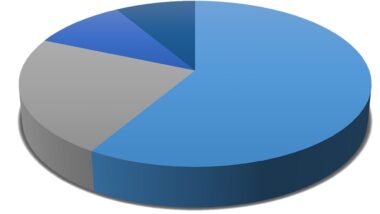
Visual elements play a significant role in enriching data reports. Effectively designed visuals can significantly enhance understanding and retention of information. Consider these strategies when incorporating visuals into reports: use pie charts to show market share distribution, bar graphs to illustrate trends over time, and line graphs to represent growth trajectories. When utilizing images, ensure that they are relevant and high-quality. Infographics can be particularly compelling when conveying complex data sets succinctly. Use color strategically to attract attention to critical data points. However, moderation is vital; excessive colors or clashing designs can distract rather than inform. Always label visuals clearly and provide context so that they align with the accompanying narrative. Providing sources for visuals reinforces credibility and allows readers to explore the data further if they wish. Moreover, utilize captions to succinctly explain each visual’s relevance to the contained information. In addition, consider the accessibility of your visuals. Ensure that individuals with visual impairments can engage with the data through descriptive text or alternative formats. Overall, the integration of visuals must supplement rather than overpower the narrative, achieving a balanced presentation.
In a rapidly evolving market, adapting report styles becomes essential. Traditional methods may not be sufficient to capture dynamic changes effectively. Embracing digital formats can enhance interactivity and accessibility. Reports published online can include hyperlinks that direct readers to related resources, case studies, or the underlying data itself. An interactive approach encourages engagement, allowing users to interact with data directly. Furthermore, consider mobile-friendly designs, as many stakeholders may access reports through various devices. An adaptable report should also include multiple formats, such as PDFs for traditional readers and web articles for those preferring digital. It is beneficial for users to engage with the information on their terms. In addition, these various formats can help reach broader audiences, as different stakeholders may have preferred ways to consume market information. Incorporating a feedback mechanism can provide insights into areas needing improvement, fostering ongoing development and refinement of reporting strategies. As technology continues to evolve, leaning into these methodologies will ensure reports remain relevant. Additionally, keeping pace with trends is essential for maintaining competitiveness and achieving desired outcomes.
Creating Actionable Insights
Generating actionable insights is a key facet of writing impactful market reports. Clear analysis of collected data can yield powerful recommendations that drive strategic decisions. Start by identifying patterns within the data; these may include consumer behavior changes, emerging market needs, or new product opportunities. Recognizing these patterns allows businesses to capitalize on beneficial trends. Moreover, it’s essential to frame findings in a way that encourages brainstorming and creative problem-solving. Recommendations should be realistic and aligned with organizational goals. Recommend specific actions that stakeholders can take based on the data analysis performed. Use direct language, avoiding ambiguous or vague statements that may confuse the reader. Additionally, contextualize insights within the competitive landscape to emphasize their significance. Discuss potential repercussions of not acting on the insights presented, illustrating the urgency of proposed strategies. Balancing optimism with caution is essential; actionable insights should reflect achievable goals, fostering trust among decision-makers. Continuously encourage dialogue among stakeholders to refine and validate insights further, ensuring alignment with overall strategy. Ultimately, these insights aim to enhance profit margins, market positioning, and customer satisfaction through data-driven decisions.
In conclusion, crafting impactful market reports hinges on the professional interpretation of data. Mastering the art of translating complex metrics into clear narratives ensures stakeholders can fully grasp the implications of the research. Begin with clear objectives, focusing on specific questions that the report aims to answer. Engage your audience by highlighting relevant data points and visual representations that reinforce your messages. Infuse your writing with confidence by articulating findings meaningfully, but remain transparent about limitations and uncertainties. This approach cultivates trust with your audience. Furthermore, embrace feedback from peers and stakeholders in refining your reports. Continuous improvement is vital for maintaining relevance and effectiveness in a fast-paced market environment. As you integrate various aspects discussed throughout this article, remember the ultimate goal is not just reporting data but driving actionable change. Always aim to empower stakeholders through insightful reports that stimulate strategic discussions. Consistent clarity, organization, and focus on actionable strategies will be vital in ensuring your reports stand out. In a world where data-driven decisions reign supreme, effective market report writing is a cornerstone of business growth and innovation.
Ultimately, the process of interpreting market data and transforming it into insightful, impactful reports is an art form that requires both skilled analysis and precise communication. A successful report provides a thorough exploration of the data while also translating it into practical guidance for leaders and teams alike. As market dynamics continually shift, the ability to adapt reporting methods and maintain clarity is essential. Emphasizing the balance between qualitative and quantitative data can enhance the richness of the final report. Moreover, embracing technological advancements can support innovative elements that make reports not only informative but also engaging. A collaborative approach, refining the report through audience feedback, can foster a sense of ownership among stakeholders, resulting in better acceptance of the recommendations contained within. Additionally, continuous learning and adaptation to emerging trends in market research will only strengthen the effectiveness of your reporting skills. Maintaining an ethos of improvement ensures that each report is not just a standalone document but a stepping stone toward further progress. Always remember that impactful reports are those which prompt both reflection and action, equipping businesses to navigate the challenges of the modern market effectively.
As this new business landscape continues to evolve, understanding effective market data interpretation has never been more crucial. In parallel, embracing the strategies for impactful report writing serves not only to convey information but also to inspire action among decision-makers. As we navigate uncertainty and complexity in various markets, our ability to interpret and present data effectively will determine how well we position ourselves for future growth and success. Thus, cultivating skills in market research and report writing should be regarded as an ongoing investment in a company’s future. By prioritizing these competencies, organizations create a culture of informed decision-making that drives strategic initiatives. This is especially relevant in an age where information is abundant but clarity and insight are often lacking. A well-written report does not merely relay findings; it rings true to the reader, encouraging a dialogue about possibilities. Ultimately, remain committed to enhancing your interpretation and writing skills to foster a deeper understanding of your market environment and tools you can wield. With diligence and practice, interpreting market data and executing compelling reports becomes less of a task and more of a shared journey towards continuous improvement.