
Creating Dashboards for Real-Time Funnel Monitoring
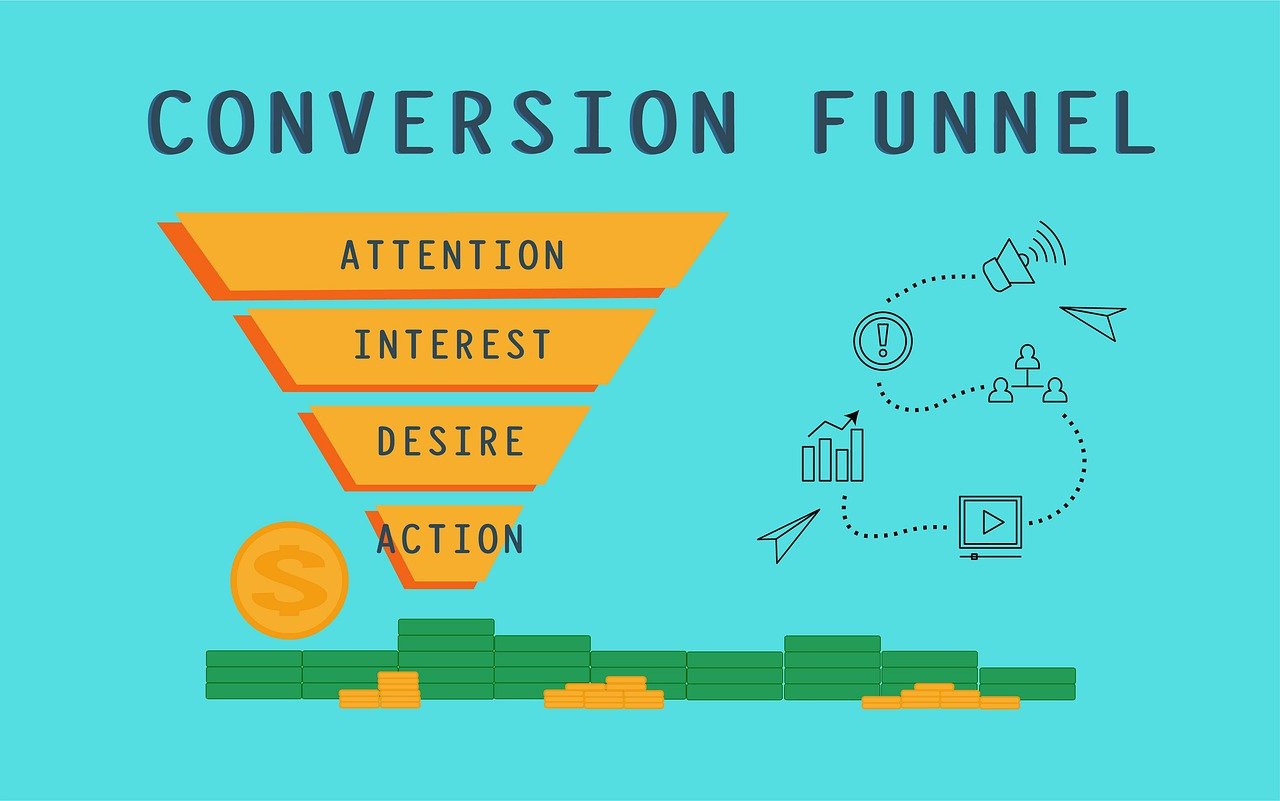
Marketing analytics is a crucial component in understanding how effectively a funnel converts leads into customers. Dashboards designed for real-time funnel monitoring provide valuable insights by visualizing data across various stages of the consumer journey. These dashboards can track essential metrics such as traffic sources, conversion rates, and drop-off points within the funnel. Utilizing a real-time dashboard allows marketers to react promptly to changes in data, optimizing their strategies continuously. The key components of an effective funnel analysis dashboard typically include metrics related to awareness, consideration, and decision stages. By integrating data from tools like Google Analytics and CRM platforms, organizations can capture a holistic view of their marketing efforts. Companies must prioritize data visualization for quick comprehension and decision-making. Additionally, incorporating segmentation allows for targeted insights, enhancing overall marketing effectiveness. Regularly reviewing the dashboard enables teams to identify trends and anomalies, providing the opportunity for proactive adjustments to campaigns or strategies. In summary, dashboard creation for monitoring marketing funnels ensures efficient tracking and optimization, which leads to enhanced customer acquisition efforts and investment returns.
Key Metrics to Monitor in Your Dashboard
To create a successful funnel monitoring dashboard, it is essential to focus on key metrics that provide insight into each funnel stage. Some critical metrics include traffic volume, unique visitors, lead conversion rate, and customer acquisition cost. Understanding traffic sources helps in identifying which channels yield the best results, while knowing the unique visitors can aid in assessing overall reach. Calculating the lead conversion rate reveals how many leads become actual customers. Monitoring customer acquisition costs is crucial for measuring the efficiency of marketing spend. Within the awareness phase, tracking impressions and clicks can indicate how effective an ad or content piece is at generating interest. During the consideration phase, monitoring engagement metrics like bounce rate, time on page, and scroll depth provides insight into user behavior. Finally, analyzing sales metrics reveals how many leads move through the final decision stage and make a purchase. To ensure consistent monitoring, define cohort segments based on demographic or behavioral characteristics which provides tailored insights. By following these metrics closely, businesses can adjust strategies accordingly to maintain continuous improvement.
Data visualization tools can dramatically improve the efficiency of monitoring your marketing funnel. They provide quick, at-a-glance insights that help teams make real-time decisions. Popular tools like Tableau, Microsoft Power BI, and Google Data Studio are frequently employed to create dynamic dashboards. These platforms allow users to pull in data from multiple sources easily and present it in customizable formats. Visual elements such as graphs, charts, and heat maps can reveal trends that raw data may obscure. Heat maps, for instance, can illustrate where users click most on a landing page. Integrating these tools into your workflow can reduce the time spent on manual data analysis while enhancing accuracy. Furthermore, leveraging API connections helps funnel data seamlessly into your dashboard, ensuring that you work with up-to-the-minute information. Continuous improvement relies on having a clear view of current performance, which these tools facilitate efficiently. Regular training sessions for marketing teams on using these dashboards can foster better understanding and expertise among staff. Ensuring everyone is well-versed in these tools can amplify their effect on the organization’s strategies.
Collaboration among team members is vital for the effective use of dashboards for funnel monitoring. Facilitating workshops allows teams to align on metrics that matter most to their campaigns while identifying opportunities for improvement. A data-driven culture promotes accountability and fosters engagement among team members. Communication of insights gleaned from dashboard analysis should be frequent and inclusive, ensuring each team member understands actionable insights. For greater alignment, identifying a champion within the organization to lead discussions on data insights is advisable. Regular meetings to review dashboard performance and lessons learned can lead to improvements in overall marketing efforts. Additionally, establishing standardized reporting formats can enhance communication. These discussions often contribute to an environment of continuous learning, where successes and strategies are shared. Keeping visual dashboards accessible to all relevant parties encourages an ongoing dialogue around performance and tactics. Bringing diverse perspectives into discussions can reveal insights that may have otherwise gone unnoticed. Ultimately, improved collaboration leads to a more agile response to data shifts, promoting a more effective marketing funnel.
Utilizing A/B Testing for Funnel Optimization
A/B testing is a method that can significantly enhance funnel performance by comparing variations of marketing elements. Testing allows marketers to identify which design or copy resonates more with their audience, leading to higher conversions. Conducting experiments on landing pages, email campaigns, or ad copies provides insightful data on consumer behavior and preferences. For an A/B test to be effective, it’s essential to isolate one element at a time to draw clear conclusions. After running tests, analyzing the results against your dashboard metrics informs decision-making processes. Typically, conducting A/B tests should follow a structured approach, whereby a hypothesis is formed, a test is devised, and results are collected strategically. Insights gained through testing can feed back into creating better-optimized dashboards. Additionally, using user feedback alongside A/B testing results paints a more comprehensive picture of the consumer’s journey. Rigorous testing not only improves individual elements but also helps enhance the overall user experience, fostering loyalty and retention. Marketers should commit to continuous iteration through testing to achieve sustained funnel improvements.
Integration of funnel analytics with other data sources can significantly impact your marketing strategies. By connecting CRM systems, social media analytics, and website performance data, businesses get a complete view of their marketing efforts. Effective integration allows for enriched insights that show not only how leads move through the funnel but also how they interact across channels. Understanding customer journeys requires tracing multiple touchpoints, and bringing those insights into your dashboard facilitates cohesive strategies. Cohesive strategies enhance targeting through tailored messaging and optimized campaigns. Moreover, combining qualitative and quantitative data deepens understanding of customer motivations and behaviors. Integration efforts maximize the strength of individual data streams by enabling cross-analyses that reveal underlying connections. For example, realizing that social media impressions lead directly to website visits can inform campaign adjustments. Regular review of integration configurations is essential to ensure data accuracy. As marketing methods evolve, keeping your dashboard updated to reflect recent changes in the digital landscape is crucial. Ensuring your analytics are comprehensive and clear allows stakeholders to make grounded strategies that propel business growth.
The future of marketing analytics and funnel analysis is increasingly driven by artificial intelligence and machine learning technologies. AI capabilities can offer predictive insights based on data patterns, helping marketers anticipate customer behavior. With machine learning algorithms, businesses can analyze vast amounts of data, identifying trends that inform marketing decisions more effectively than traditional approaches. Implementing AI-driven solutions enables automatic trend detection, allowing teams to pivot strategies quickly based on real-time insights. Additionally, chatbots powered by AI can enhance user experiences at every funnel stage. As machine learning evolves, marketers can expect more tailored user experiences, as AI understands individual preferences. Moreover, these technologies can help streamline reporting processes and decrease manual workload, freeing teams to focus on strategic creative tasks instead. Investment in AI tools can enhance operations, resulting in better leads and higher conversion rates. As organizations increasingly embrace technology, continuous education for marketers on leveraging new tools becomes essential. Establishing best practices for AI integration within existing frameworks builds a solid foundation for future growth. In conclusion, organizations that adopt these advanced technologies within their funnel monitoring efforts will remain competitive in the ever-evolving landscape.
Implementing feedback loops is essential for optimizing marketing funnels over time. After data collection, it’s vital to analyze feedback from customers regarding their journey through the funnel. Surveys can be used to gain insights into customers’ experiences, preferences, and pain points. Feedback loops help identify potential roadblocks within the funnel, enabling businesses to both understand and enhance the overall user experience. Regularly incorporating customer insights encourages companies to adapt their strategies based on real experiences. Moreover, fostering open communication channels where customers feel comfortable sharing feedback is critical. This honesty can lead to significant suggestions for improvement. As marketing funnels evolve, businesses should not only rely on quantitative data but also embrace qualitative insights. Qualitative feedback often reveals compelling stories that numbers alone cannot express. By blending strategies informed by data and genuine customer experiences, teams can create a more cohesive and effective customer journey. Furthermore, utilizing analytics tools to track the changes post-implementation of feedback ensures adjustments lead to tangible results. Ultimately, understanding customer feedback enables organizations to refine their marketing funnels continually, keeping them relevant and responsive to consumer behavior.