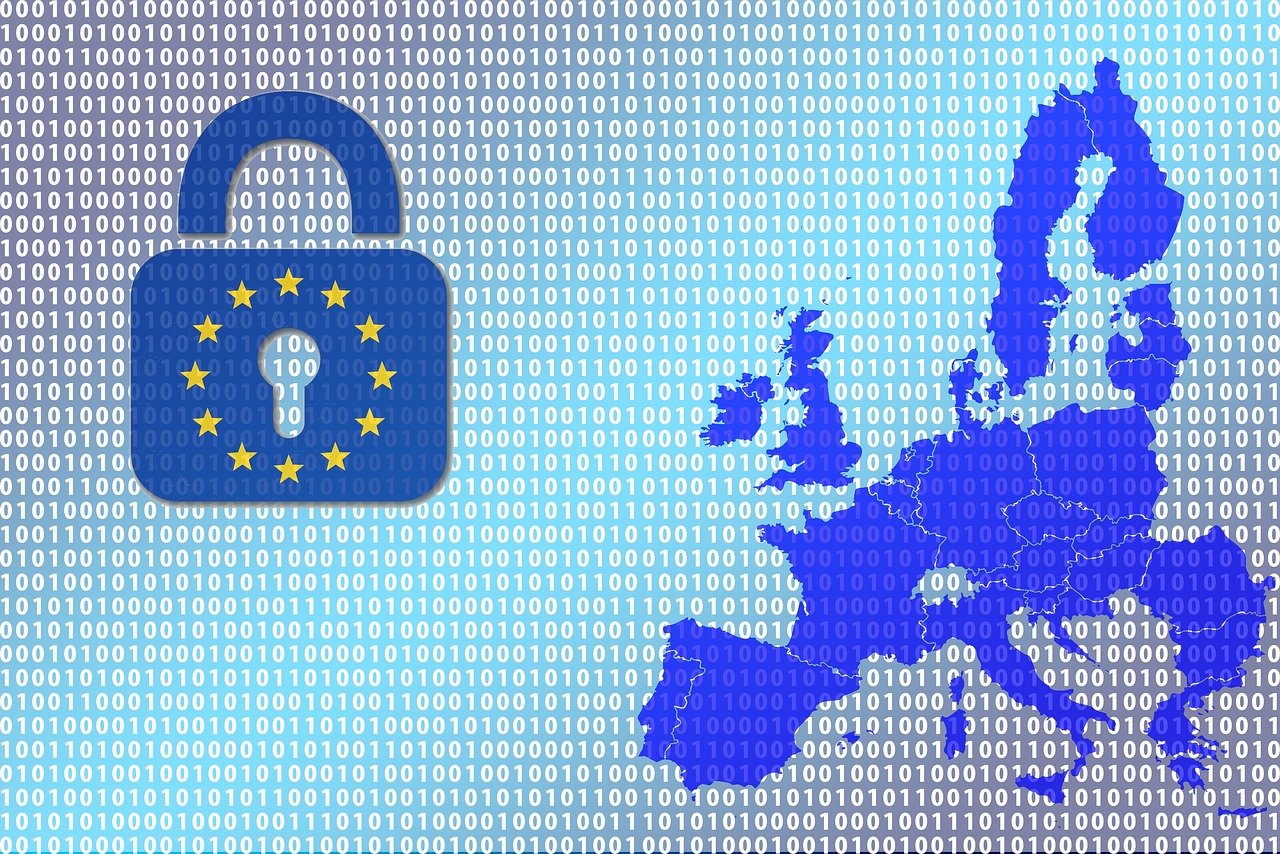

The Role of Marketing Ethics in Data Protection
As society increasingly relies on digital technologies, the importance of ethics in marketing becomes paramount, especially regarding data protection. Marketing ethics involves principles that guide businesses on how to approach consumers with fairness and transparency. Today, consumers are more cautious than ever about how their personal data is collected, used, and shared. Ethical marketing practices prioritize consumer privacy, ensuring that businesses do not exploit sensitive information for unapproved purposes. For instance, implementing transparent data use policies helps build trust between businesses and consumers. Furthermore, organizations must refrain from collecting excessive personal information, as this practice can lead to distrust and potential backlash. Companies should aim to foster a strong ethical foundation, creating clear guidelines that protect consumer data while still enabling effective marketing strategies. Ultimately, ethical marketing can enhance customer loyalty and brand reputation. In this data-driven age, marketers must appreciate their role in safeguarding the privacy of consumers, thus minimizing risks associated with mismanagement. Striking a balance between effective marketing and ethical considerations will shape the future landscape of being responsible stewards of consumer data.
Understanding consumer privacy laws is a key element of ethical marketing strategies. Laws such as the General Data Protection Regulation (GDPR) and the California Consumer Privacy Act (CCPA) highlight the legal requirements surrounding personal information usage. Staying compliant with these regulations not only protects consumers but also shields businesses from potential legal consequences. Marketers must ensure that they have consent before collecting personal data, making consumers aware of how their information will be utilized. This transparency fosters trust and allows consumers to make informed decisions about their engagements with brands. Additionally, organizations should conduct regular audits to evaluate their data collection and usage practices. These audits can reveal gaps in compliance and areas for improvement. If consumers perceive a company as responsible and trustworthy, they are more likely to engage positively with the brand. Furthermore, incorporating privacy notices into marketing materials can be an effective strategy to inform consumers about data handling practices. This not only demonstrates ethical behavior but also aligns with consumer expectations in today’s market, wherein privacy has become crucial for fostering long-term relationships.
Consumer Awareness and Expectations
In the modern realm of marketing, consumers have heightened expectations regarding data privacy. This awareness stems from numerous data breaches and scandals that have made headlines. As a result, many consumers prioritize their privacy and seek businesses that ensure ethical handling of their personal information. Companies must understand that failure to comply with consumer expectations can lead to significant reputational damage, financial losses, and legal issues. Therefore, establishing practices that respect consumer privacy is essential not just for compliance, but also for maintaining a positive brand image. Marketers should proactively communicate their data protection policies, detailing how consumer information is safeguarded. Furthermore, offering consumers control over their data, such as options to manage privacy settings, enhances their experience. Such practices validate the ethics of companies while fostering loyalty among customers. Building a customer-centric approach requires acknowledging privacy concerns as an integral part of the marketing strategy. As consumers become more informed, businesses that integrate ethical considerations into their operations stand to benefit significantly in terms of customer trust and engagement.
Ethical dilemmas often arise in marketing, especially when assessing the fine line between personalization and privacy. In efforts to create tailored marketing campaigns, companies may inadvertently exploit consumer data. While personalized marketing can improve customer experiences, it is essential for marketers to tread carefully. They must ensure that personalization does not invade consumers’ privacy, ultimately leading to discomfort or resentment. Ethical marketing advocates for the responsible use of data analytics to drive personalization while clearly communicating the methodology. Transparency regarding how data is gathered and how it influences customization can mitigate negative perceptions and enhance consumer trust. Organizations should employ strategies that demonstrate respect for consumer autonomy and preferences. This requires not just compliance with laws but a commitment to ethical standards that prioritize consumer privacy. Marketing teams should be trained on ethical implications and best practices, empowering them to make informed decisions that align with organizational values. Striking this balance between personal engagement and privacy is vital for successful marketing endeavors in today’s data-centric landscape.
The Role of Technology in Ethical Marketing
Advancements in technology offer new methodologies for ethical data management within marketing. With data analytics tools, businesses can enhance their understanding of consumer behaviors without compromising personal data. Utilizing anonymization techniques can help marketers derive insights while keeping individual identities confidential. Furthermore, employing data security measures such as encryption and secure access protocols can protect consumer data from unauthorized access. New technologies enable companies to design marketing strategies that respect consumer privacy and comply with regulations. Harnessing artificial intelligence, for instance, allows for data analysis that informs campaigns without risking sensitive information exposure. Additionally, adopting customer relationship management (CRM) systems equipped with strict privacy controls can aid in ethical marketing efforts. These systems enable marketers to streamline data use while ensuring compliance with regulations. Organizations can manage consumer preferences, enabling clearer communication regarding consent for data collection. Technology plays a pivotal role in advancing ethical marketing by promoting responsible practices that align with consumer privacy expectations. Ultimately, integrating these technologies guarantees a sustainable, ethical approach that boosts efficiency while retaining consumer trust.
Building strong relationships with consumers hinges upon ethical marketing practices that incorporate respect for privacy. Companies that prioritize ethical standards in their marketing strategies create an environment conducive to customer loyalty. Consumers are more likely to engage with brands openly when they feel assured their personal data is secure. Therefore, developing a privacy-first approach not only helps in maintaining regulatory compliance but also fosters valuable relationships. Essential to this approach is ongoing communication with consumers regarding their data privacy rights and how companies protect their information. Businesses should view their responsibility as an ongoing commitment towards ethical data practices. Furthermore, engaging consumers in discussions about their privacy concerns and preferences can help shape marketing endeavors to align with their values. Building this rapport encourages feedback and demonstrates that organizations genuinely value consumer input. In turn, businesses that succeed in this endeavor often witness improved customer retention, higher levels of satisfaction, and new customer acquisitions. Such outcomes underscore the long-term benefits of embedding ethics and consumer privacy considerations into marketing strategies. Ultimately, consumer privacy is foundational for creating meaningful, lasting relationships with customers in today’s complex landscape.
The Future of Marketing Ethics
As discussions surrounding consumer privacy continue to evolve, the future of marketing ethics becomes increasingly important. Companies that prioritize ethical considerations will lead the way in fostering consumer trust and loyalty. Emerging trends indicate that consumers may demand more control over their data and the marketing practices related to it. This shift necessitates ongoing adaptability from marketers to embrace these changes effectively. Organizations must invest in continuous education and training for their teams regarding best practices in data protection. Furthermore, collaborating with industry experts can provide guidance on navigating complex regulatory landscapes. Ethical marketing is not only crucial for compliance but also serves as a framework for enhancing brand reputation. As brands strive for transparency and accountability, embracing ethical standards can set them apart in a competitive marketplace. Additionally, implementing feedback mechanisms that allow consumers to voice their concerns can inform more ethical practices. The future invites marketers to innovate responsibly, ensuring they uphold the highest ethical standards while meeting business objectives. As consumer expectations rise, the role of marketing ethics will be essential for navigating challenges and achieving long-term success.
In conclusion, the role of marketing ethics in data protection cannot be overlooked. As consumer awareness heightens, brands that uphold ethical marketing practices will thrive. To achieve this, organizations must commit to maintaining transparency in their data handling processes. By respecting consumer privacy, companies build trust that leads to stronger customer relationships. An ethical approach mandates compliance with relevant laws, such as GDPR and CCPA, while also fostering meaningful engagement with audiences. Harnessing technology enables businesses to create personalized experiences effectively while prioritizing consumer security. Regular audits, ongoing training, and adherence to ethical standards further solidify organizations’ reputations as responsible marketers. The intricate balance between effective marketing and respect for consumer privacy will guide industry standards for future success. Continuous dialogue with consumers about their preferences and privacy concerns enhances the relationship between brands and customers. Ethical marketing demonstrates that businesses can achieve their goals while prioritizing the well-being of consumers. Looking ahead, organizations that respect consumer data will establish a competitive advantage, ensuring they can navigate the complexities of the digital landscape while maintaining trust and goodwill.