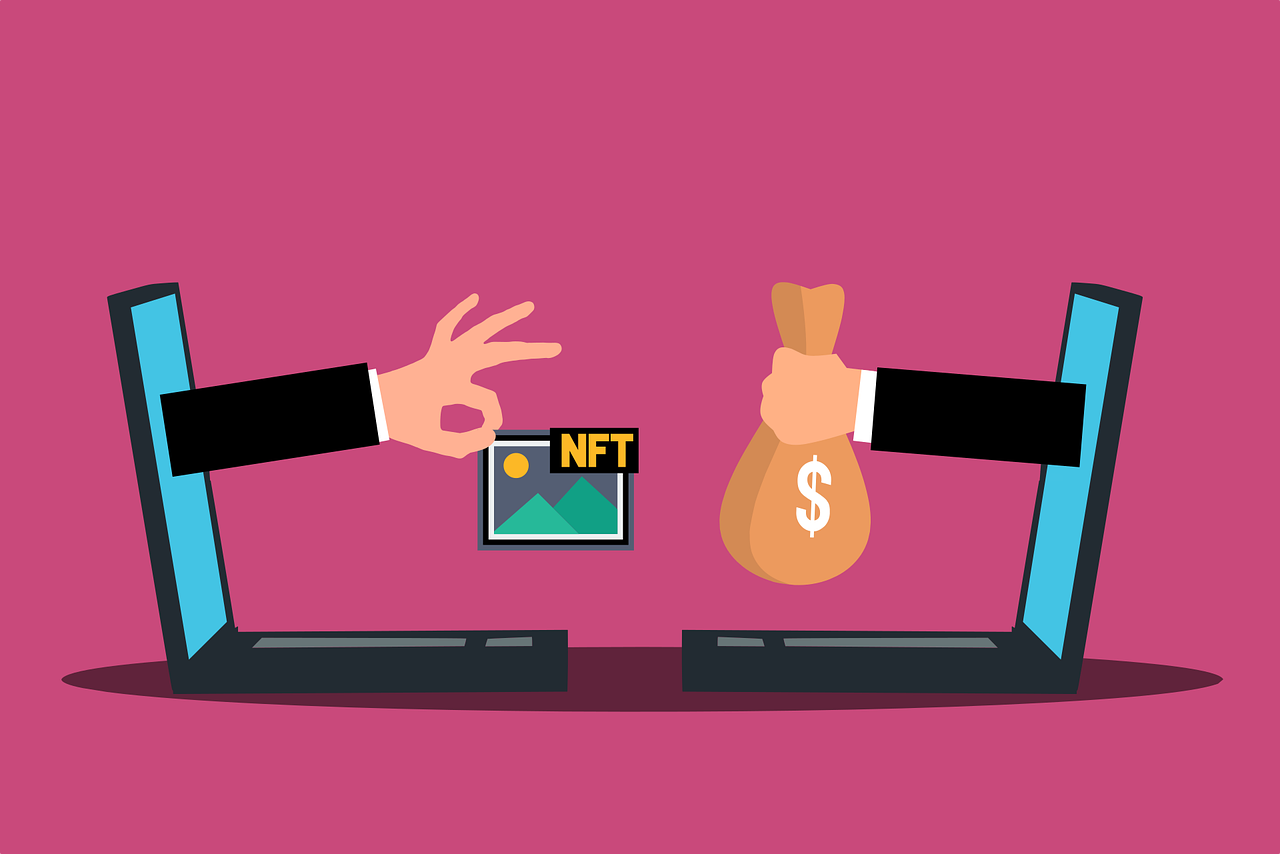

The Role of Crypto Wallets in NFTs Transactions
Crypto wallets serve a crucial function in the realm of NFTs. They provide users with the ability to securely store, send, and receive non-fungible tokens. NFTs are unique digital assets verified using blockchain technology. Without a proper crypto wallet, engaging in NFT transactions becomes challenging. Wallets facilitate the ownership and trading of NFTs, ensuring that every transfer is logged immutably on the blockchain. Moreover, different types of wallets, including hardware, software, and mobile wallets, cater to various user needs. Hardware wallets offer superior security, safeguarding tokens offline, while software wallets provide easy access and management of assets. Users can link their wallets to various NFT marketplaces, simplifying the buying and selling process. Additionally, wallets often include features like sending tokens through QR codes or integrating with decentralized applications (DApps). This integration enables users to participate in broader ecosystems beyond mere ownership. Overall, crypto wallets are integral to the NFT experience, allowing users seamless access and control over their digital collectibles.
Additionally, security remains an essential aspect of using crypto wallets for NFTs. The decentralized nature of blockchain technology means taking personal responsibility for safeguarding your assets. Wallets require users to manage private keys, the cryptographic keys providing access to tokens. Losing private keys can result in the permanent loss of assets, making it vital to choose a reliable wallet solution. By employing a secure wallet method, users can significantly enhance safety while accessing NFTs. Choosing a hardware wallet can protect from online threats, while reputable software wallets can provide encryption and backup functionalities. Regular updates and security practices are crucial to mitigate risks. Backup strategies, such as mnemonic phrases or seed phrases, ensure users can recover wallets if needed. Furthermore, users should also enable two-factor authentication for an added layer of security. Engaging with trustworthy marketplaces ensures users transact safely and avoid scams. Familiarizing oneself with common scams and phishing techniques can help users avoid falling victim to malicious efforts. Overall, prioritizing security when utilizing crypto wallets can provide peace of mind while engaging in NFT transactions.
Understanding Wallet Types and Their Benefits
When navigating the NFT landscape, understanding the various types of crypto wallets is essential. Each wallet type has unique functionalities and caters to different user preferences. Hardware wallets, such as Ledger and Trezor, are ideal for users seeking maximum security. By storing private keys offline, they significantly reduce vulnerability to hacking incidents. This enhanced level of protection is a primary reason many serious collectors opt for hardware wallets. On the other hand, software wallets offer convenience for everyday transactions and easy access to NFTs and other cryptocurrencies. These wallets, available on desktops and mobile devices, provide user-friendly interfaces, allowing users to manage their portfolios effortlessly. Popular examples include Metamask and Trust Wallet. However, software wallets can pose security risks if not backed by robust security features. Finally, web wallets are accessible through browsers, making them convenient for quick access. The trade-off is often less security compared to hardware or software wallets. Knowing the strengths and weaknesses of each wallet type equips users to make informed decisions based on their individual NFT involvement.
As the NFT market continues to expand, integrating innovation into crypto wallets becomes vital. Smart contracts are rapidly gaining traction, acting as self-executing contracts with terms written directly into code. Supporting NFTs on a crypto wallet enhances user experience by allowing seamless interactions with smart contracts. As transactions occur, users expect wallets to facilitate not only secure transfers but also automated functionalities. Moreover, interoperability between various blockchain networks is essential for trading NFTs across different platforms. Users should seek wallets catering to multiple chains, enabling them to access a broader range of NFTs seamlessly. With innovation at the forefront, wallets integrating DeFi functionalities can open exciting possibilities for NFT owners. These functionalities could include staking NFTs or utilizing them as collateral for loans, bridging the gap between collectibles and financial advantages. The rise of NFT gaming and metaverse applications further encourages wallet developers to adapt accordingly. Overall, the future of crypto wallets in NFTs is rooted in enhancing user experiences while ensuring security and ease of use.
The Importance of Platform Compatibility
Compatibility across multiple platforms is critical when selecting a suitable crypto wallet for managing NFTs. Users frequently engage in transactions across various NFT marketplaces and decentralized platforms. Therefore, a wallet that seamlessly integrates with a range of platforms enhances user experience. Each marketplace may have unique requirements, necessitating compatibility with different blockchain networks. Ethereum is the leading blockchain for NFTs, but alternative chains like Binance Smart Chain, Flow, and Polygon are gaining popularity. Thus, selecting a wallet that supports multiple blockchains can maximize flexibility for NFT collectors. Many popular wallets, like MetaMask, support country-specific marketplaces while enabling users to enjoy cross-platform functionality. This versatility allows users to explore more opportunities within the NFT space. From auctions on platforms like OpenSea to gaming marketplaces, interoperability remains paramount. Such compatibility ensures users can participate in various ecosystems without being locked into specific platforms. Furthermore, frequent updates and active development of wallet software ensure smooth usability in the evolving NFT landscape. Overall, maintaining platform compatibility is vital for maximizing engagement with NFTs and exploring the growing market effectively.
While exploring the role of crypto wallets, user education plays a pivotal part in successful NFT transactions. Understanding how wallets operate and how to use them effectively is crucial for users. Tutorials and resources offered by wallet providers can significantly contribute to improving user competency. Engaging with community forums or following educational content on social media can also provide valuable insights. By staying informed about wallet features, users can maximize their potential use for NFT management. Knowledge about potential risks, such as phishing scams and private key security, encourages users to adopt safer practices. Furthermore, understanding how to create strong passwords, enable two-factor authentication, and recognize legitimate NFT platforms becomes vital. Active participation in online discussions introduces users to various strategies for managing NFTs effectively. Sharing experiences and insights can not only enhance personal knowledge but also empower a broader community. Wallet providers should proactively offer education-focused content if they want to enhance user experiences. Instilling confidence in users can positively impact their engagement within the NFT ecosystem, ultimately fostering responsible participation.
Looking Towards the Future
The future of crypto wallets in the NFT space is promising, with constant digital advancements fostering dynamic growth. As the market expands, new wallet features will likely emerge, enhancing user experiences and capabilities. Future developments might include improved user interfaces, AI-driven insights, and increased focus on security. Additionally, innovative wallet solutions may allow users to manage not only NFTs but also a variety of digital assets from one interface. Integration with augmented reality and virtual reality may also facilitate more immersive NFT interactions. Collaborations with brands and platforms could allow seamless access to exclusive content and limited-edition NFTs. Furthermore, as regulatory frameworks develop, wallets will need to adapt to comply with legal requirements while preserving user privacy. Multi-signature wallets that require several authorities to approve transactions may rise in popularity, increasing security while catering to group ownership of NFTs. Overall, the evolution of crypto wallets is intertwined with broader technological advancements. Embracing this evolution will ultimately enrich the NFT landscape, enabling users to engage, trade, and explore digital assets more efficiently.
In conclusion, the overarching role of crypto wallets in NFT transactions cannot be overstated. Their importance spans from security and functionality to the future potential of digital asset management. As users continue to engage with NFTs, the choice of wallet dramatically impacts their experiences. Whether opting for a hardware wallet for enhanced security, a software wallet for convenience, or exploring emerging technology, users must remain educated on best practices. A well-informed community will help foster secure transactions, minimize risk, and promote responsible engagement. Providers must likewise prioritize developing user-friendly features while simultaneously advocating education. By addressing both technological and educational perspectives concurrently, the NFT ecosystem can thrive and continue to grow. Future advancements in wallets will likely redefine user experiences, reinforcing their importance in managing NFTs effectively. As the landscape evolves, new opportunities will emerge, reinforcing the significance of crypto wallets in navigating this complex and exciting territory. Ultimately, the symbiotic relationship between wallets and NFTs ensures that users can immerse themselves in the world of digital collectibles while enjoying safety and accessibility.