
Digital Wallets and Their Effect on Global Remittances
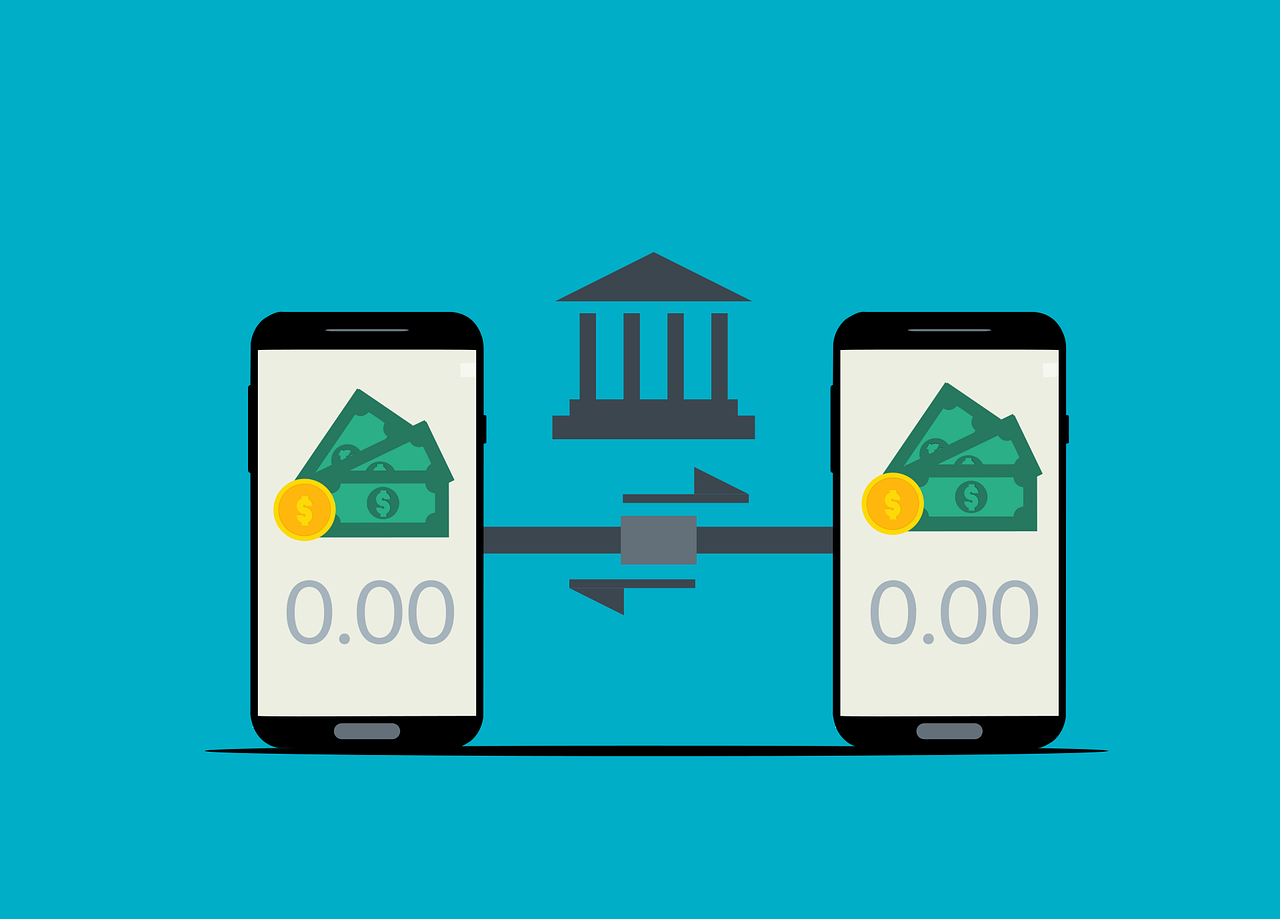
Digital wallets have revolutionized how we perceive and conduct transactions globally, significantly influencing remittance flows. Over the last decade, the rise of these financial technologies has made transferring money easier, cheaper, and faster for millions of individuals. Consumers can now send money across borders using their smartphones or computers, eliminating the need for physical bank visits. The convenience of digital wallets has made them a preferred option for users, especially for those with limited access to formal banking services. Moreover, digital wallets boast enhanced security features, such as encryption and biometric verification, promoting user confidence. Several studies highlight how digital wallets increase financial inclusion by facilitating access to banking services for unbanked individuals. As international migration continues to rise, the demand for affordable remittance services grows. With lower transaction costs compared to traditional money transfer methods, digital wallets represent a promising solution. Particularly for communities that rely heavily on remittances for economic stability, this evolution means increased financial independence and improved socio-economic prospects. Significantly, the adoption of digital wallets is transforming the landscape of global remittances, altering the dynamics of financial transactions.
Remittances play a critical role in the economies of many countries, especially in developing regions. Digital wallets have become instrumental in making international money transfers seamless, reliable, and cost-effective. In contrast to traditional methods, which often involve high fees and lengthy processing times, digital wallets enable instant transfers with minimal charges. This element is crucial for low-income earners who send funds back to their families and communities. International remittance costs currently average around 6%, with some digital wallet providers offering rates significantly lower than that. This price reduction fosters greater accessibility and encourages the use of digital wallets among migrant workers. Additionally, the integration of blockchain technology into digital wallets further enhances transparency, reducing fraudulent activities. Such technological advancements not only streamline transactions but also build trust among users. As digital wallets continue to evolve, we can expect a myriad of innovations aimed at improving user experiences. Moreover, the competitive nature of the digital wallet market is fostering creativity, leading to enhanced offerings for consumers, such as loyalty programs and cross-platform compatibility. Consequently, digital wallets are shaping the future of remittances while promoting economic resilience.
Impact on Financial Inclusion
The emergence of digital wallets significantly impacts financial inclusion, enabling millions to participate in the financial system. Traditionally, people without bank accounts had limited access to financial services, hindering their ability to save, invest, or conduct everyday transactions. Digital wallets bridge this gap, providing a practical entry point. By using mobile phones, individuals can transfer money, purchase goods, and pay bills without needing a bank account. Several organizations focus on enhancing digital wallet adoption to empower marginalized communities. For instance, various governments and NGOs are working to ensure a robust digital infrastructure reaches remote areas. This increased accessibility leads to improved economic conditions, fostering opportunities for entrepreneurship and self-sufficiency. Furthermore, as users engage with these wallets, they gain exposure to broader financial products, such as savings accounts and loans. Consequently, digital wallets drive not only payment innovations but also a comprehensive financial ecosystem that assists in poverty alleviation. As we observe the effects of these wallets, it is evident they contribute to building sustainable economic growth and resilience. Embracing digital wallet technology can create a more inclusive financial landscape, benefiting individuals and societies.
One key aspect of digital wallets is their adaptability to emerging technologies that improve user experience. Payment methods, such as QR codes and NFC (Near Field Communication), streamline transactions, making them more user-friendly. This ease of use encourages further adoption among individuals accustomed to technology. Additionally, we see growing integration with e-commerce platforms and marketplaces, positioning digital wallets as essential tools for both consumers and merchants. These developments are crucial, especially in regions with limited banking infrastructures, as they provide a pathway to secure financial services. The flexibility of digital wallets allows businesses to leverage these technologies. Small merchants benefit from lower transaction fees and increased local customer engagement, enabling them to thrive in competitive markets. Moreover, digital wallets foster cross-border transactions, allowing users to pay for goods and services globally without the complications of currency exchange. With enhanced security features, users can transact confidently in these digital environments. As the landscape changes, both consumers and businesses stand to gain from this evolution, opening new avenues for economic development and increasing the digital economy’s scope. The significance of digital wallets in this context cannot be overstated.
Challenges in Digital Wallet Adoption
While digital wallets undoubtedly present numerous benefits, their adoption is not without its challenges. Several barriers hinder broader acceptance, including technological literacy, regulatory differences, and concerns over security. In many regions, users may lack the necessary skills to navigate digital platforms effectively, impeding usage. Addressing this challenge requires educational initiatives aimed at enhancing user familiarity with technology. Additionally, the regulatory environment can vary significantly across countries, complicating operations for wallet providers. Companies must adapt to local regulations, which might require resources that small businesses lack. Moreover, security remains a paramount concern. As cyberattacks become more sophisticated, users are increasingly wary of fraud and data breaches. Wallet providers must invest heavily in security measures to gain user trust. Furthermore, the perception of risk can deter users from transitioning from traditional cash-based systems to digital alternatives. For broader acceptance to take root, stakeholders must collaborate to fortify security and build consumer confidence. This necessitates an ongoing dialogue among government bodies, regulatory authorities, financial institutions, and technology companies. As these hurdles are addressed, the future of digital wallets looks promising, paving the way for sustained growth.
The global remittance market is projected to grow substantially in the coming years. The Digital Wallet Evolution significantly shapes these trends, as various demographic shifts influence the way money is transferred. Migrant workers increasingly rely on technology to send funds home quickly and efficiently. As countries embrace digital solutions, we observe a shift from traditional channels to innovative platforms. Consequently, digital wallets are becoming vital vehicles for remittances across different demographics. Younger generations, in particular, show a preference for digital payment solutions, indicating a long-term trend towards digital transactions. As remittance markets in developing countries expand, the accessibility of digital wallets will ensure they remain competitive and relevant. Companies are beginning to recognize this opportunity, resulting in a surge of options available to consumers. Collaboration among digital wallet providers also promotes interoperability, allowing users to transact seamlessly across platforms and countries. Such movements signal a more connected financial ecosystem, where users enjoy greater flexibility and efficiency. Over time, these developments will catalyze economic growth in regions reliant on remittances. As digital wallets continue to evolve, they stand to redefine the framework within which global remittances operate.
Future Outlook
The future of digital wallets in the realm of global remittances looks incredibly bright. As technology continues to advance, we can expect even more innovative solutions to emerge, further improving the user experience. In the coming years, we may witness greater integration between digital wallets and advanced technologies, such as artificial intelligence and machine learning. These integrations can lead to personalized financial services that cater to individual needs, offering insights and recommendations for users. Moreover, partnerships between financial institutions and tech companies will likely enhance service delivery, enabling more streamlined transactions worldwide. As security remains a paramount concern, the implementation of advanced encryption methods and biometric authentication is expected to gain traction. Consumer demand for innovative solutions will drive developments in the digital wallet sector, ensuring it remains competitive. Furthermore, as the world increasingly shifts towards a cashless society, digital wallets will become more mainstream. This transition will require continuous education and support for users, helping them navigate new technologies comfortably. Ultimately, the evolution of digital wallets promises to enhance the global remittance landscape, facilitating economic resilience and boosting financial confidence among users everywhere.
In summary, the evolution of digital wallets has transformed the landscape of global remittances, enhancing accessibility, affordability, and financial inclusion. This transformation is key to understanding how individuals and businesses adapt to changing financial technologies. As digital wallets continue to mature, their role in facilitating remittances will likely expand, reshaping the dynamics of financial transactions. It is evident that digital wallets provide a valuable means of sending money, especially for the unbanked and those with limited access to traditional banking systems. The global remittance market stands to benefit from the proliferation of digital wallets, ensuring more people can participate in the economy effectively. Collaborative efforts among stakeholders will be crucial in overcoming barriers to adoption and improving user experiences. By fostering trust, addressing security concerns, and enhancing technological literacy, the potential of digital wallets can be fully realized. Thus, as we look ahead, it is essential to embrace these advancements and adapt to emerging trends. The future of digital wallets is indeed promising, and their continued evolution will play a vital role in the global financial landscape. In conclusion, digital wallets signify hope for greater economic empowerment and sustainability across borders.