
How to Start Meal Prep for Budget-Friendly Eating
Meal planning is a productive and effective strategy to help you save money while ensuring healthy eating at home. Start by assessing your current eating habits and identifying areas for improvement. A monthly budget for groceries is useful, so you can allocate a specific amount for your meals. Use a weekly planner to decide on meals ahead of time, which can help you avoid impulse purchases at the store. Creating a shopping list based on your planned meals will help you stick to your budget and prevent unnecessary spending. During your shopping trip, focus on buying ingredients that are on sale and in season, as these often provide the best savings. Consider investing in reusable containers for your meal prep to keep food fresh and organized. Additionally, batch cooking can help save time and reduce energy costs. Ensuring you have a well-stocked pantry with essentials, like grains and beans, will further support your meal prep goals. This strategy will not only help you save money but also allows you to enjoy nutritious meals throughout the week without any hassle.
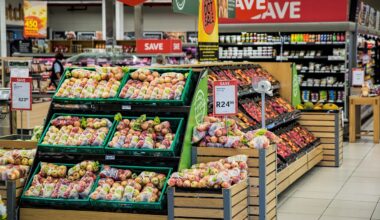
After establishing your meal plan and shopping list, it’s important to organize your grocery trip efficiently. Choose the right time to shop, preferably when the store is less crowded, ensuring you can take your time to focus on your list. Stick to your plan while shopping; avoid aisles that don’t contain items on your list. When you see a tempting promotion, weigh its benefits against your meal plan and budget. Store loyalty programs can offer discounts and promotional sales, so sign up and take advantage of these offers. Consider shopping at local farmer’s markets and discounted grocery stores, which often have fresher produce at lower prices. Make sure to check expiration dates on items before you purchase them, especially perishable goods. When stocking up, it’s wise to buy items that you frequently use only if they’re on sale and can last long in your pantry or fridge. Upon returning home, it’s essential to store ingredients properly to extend their lifespan. A well-organized kitchen allows for smoother meal prep sessions and can motivate you to stick to your budget-friendly plans.
Meal Prep Techniques for Success
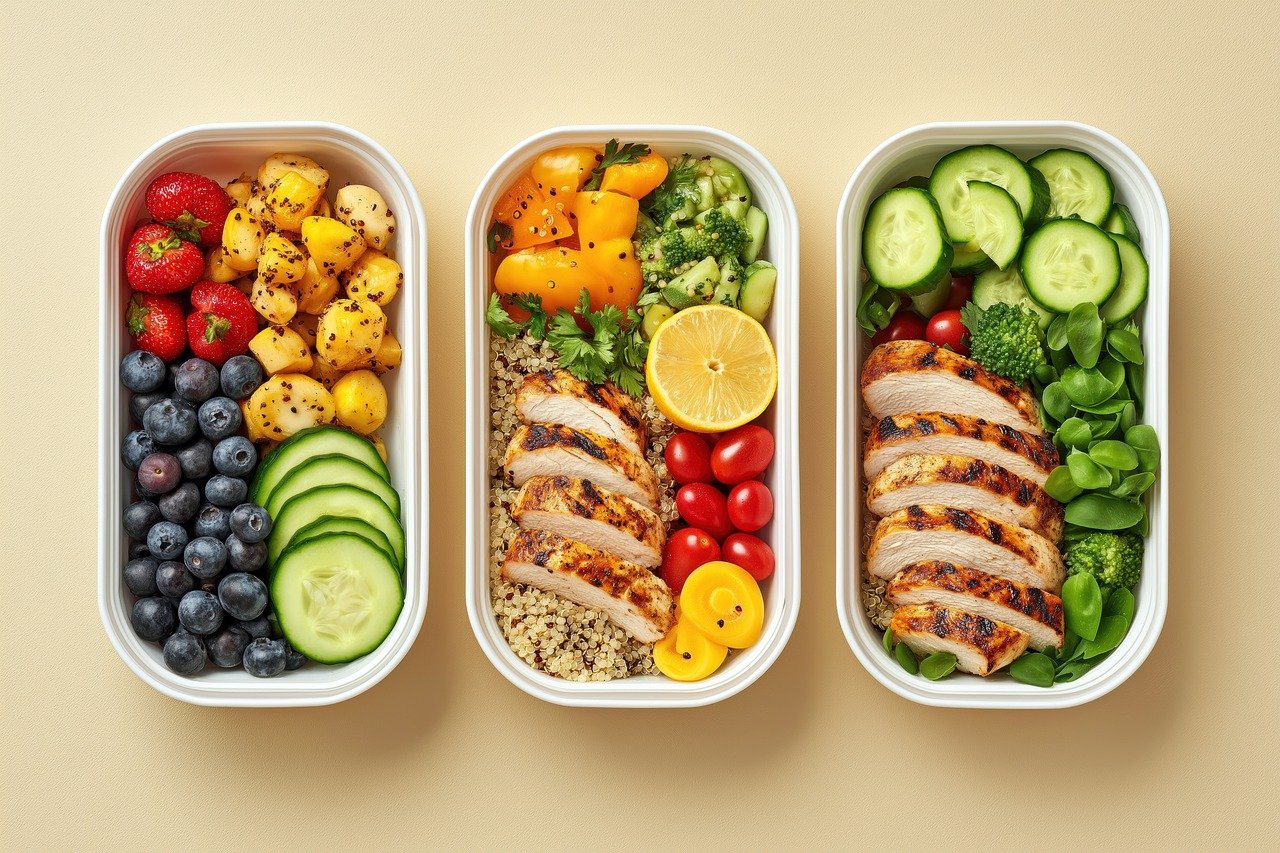
Once you’re set with your ingredients, it’s time to dive into meal prep techniques that maximize efficiency and minimize food waste. Begin your prep by washing, chopping, and portioning ingredients in advance. You can prepare proteins, grains, and vegetables in batches, making it easier to mix and match them throughout the week. One popular technique is to create a “base meal” using grains like rice or quinoa, then add various proteins and vegetables each day to keep meals interesting. Invest in a versatile range of spices and condiments to help you create a variety of flavors. An excellent method is to use one day a week, such as Sunday, as your dedicated meal prep day. Schedule some time to cook multiple meals simultaneously, utilizing oven, stove, and slow cooker effectively. When packaging your meals, ensure each container is clearly labeled with the meal name and date prepared. Proper storage can save both time and hassle during busy weekdays. It’s essential to not just prepare meals but also to allow flexibility in your plans so you can easily swap things based on what you feel like eating.
Another key aspect of successful meal prep involves utilizing leftovers wisely. Plan meals in a way that specific ingredients can be repurposed. For example, a roasted chicken can be used in salads, sandwiches, or stir-fries as leftover options. This not only minimizes food wastage but also maximizes the value of your grocery spending. When preparing meals, aim for recipes that can easily be scaled up. This way, cooking larger quantities becomes beneficial both in time and resource management. Your meal prep routine should also accommodate a variety of diets if you’re cooking for more than one person. Consider including vegetarian, vegan, or gluten-free options to ensure everyone enjoys the meals. Additionally, keep track of what works and what doesn’t during each week. This helps refine your meal prep techniques over time, allowing you to discover which dishes are favorites, and which need adjustments. Embracing this iterative process will make your meal planning more efficient, effectively saving both time and money in the long run.
Storage and Labeling Best Practices
Proper storage and labeling are vital components of effective meal prepping. Ensure each meal is stored in airtight containers to keep food fresh and prevent spoilage. Glass containers are highly recommended, as they’re durable and microwave-safe. Color coding your containers can visually assist in identifying specific meal types or dietary preferences. For example, use blue containers for vegetarian meals and green for meals high in protein. Label each container with meal names and expiration dates to track freshness easily. This practice helps you prioritize which meals to eat first. Remember to consider portion control; dividing meals into appropriate sizes will help you manage your intake. If you prepare snacks, such as cut fruits or veggies, store them in small, easily accessible portions to encourage healthy munching. In the freezer, use freezer-safe containers or bags, and remove as much air as possible to minimize freezer burn. When defrosting meals, do it in the fridge rather than on the counter, ensuring food safety and maintaining quality. Implementing these storage techniques can significantly enhance your meal prep strategy, ultimately contributing to your budget-friendly eating goals.
For individuals or families with busy lifestyles, meal prep can feel overwhelming at first, but it becomes much easier with practice. Embrace the learning curve and gradually incorporate meal prep into your routine. One way to ease into this practice is to begin with just one meal each week, allowing you to adjust without feeling stressed. Over time, expand to include additional meals or snacks in your preparation process. Don’t hesitate to enlist the help of family members or friends, as cooking together can make the experience more enjoyable and less daunting. There are many online resources and recipes tailored specifically for meal prepping; explore those for inspiration that can keep your cooking exciting. Joining meal prep communities on social media can also provide motivation and support, where members share tips, ideas, and experiences. Celebrate small victories, whether it’s sticking to your budget for a week or creating a new favorite dish. In the long run, consistent meal prep not only saves money but also enhances your overall eating habits. Your health will benefit greatly from the effort you put into this effective and necessary strategy.
Conclusion
In conclusion, meal planning and prep for budget-friendly eating can significantly impact your financial health and personal well-being. By taking the time to map out meals, shop smartly, and prepare efficiently, you can ensure healthy eating without overspending. Embrace creativity in your cooking and make adjustments based on the success of your meals. The key is to develop a structured approach that works for you. Remember that flexibility is essential; sometimes plans will change, and that’s perfectly okay. Successful meal prep might take time to master, but your commitment to it will yield rewarding results. It ultimately leads to reduced food waste, healthier eating, and beneficial savings in your grocery expenses. Start small and gradually build your skills and confidence in the kitchen. As you refine your meal prep process over time, you’ll enjoy not only budget-friendly meals but also the satisfaction that comes with cooking at home. Share your newfound knowledge with others interested in budget eating; you might inspire them to adopt similar strategies for their lifestyle.
This is another paragraph with exactly 190 words…