
The Influence of Technological Innovations in Energy on Economic Indicators
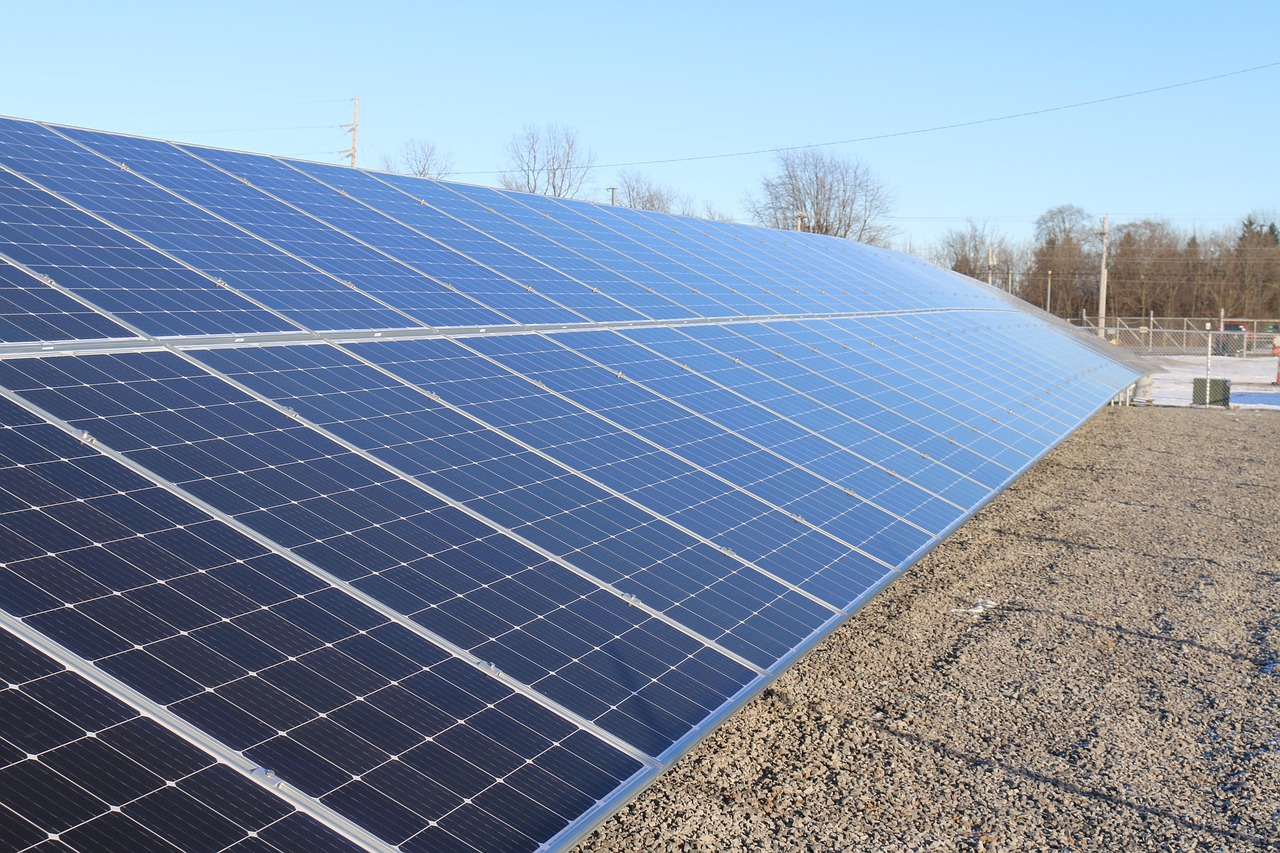
The energy sector is undeniably intertwined with economic indicators, affecting various aspects like growth, employment rates, and inflation. Technological advancements in renewable energy have introduced efficiencies that not only lower energy costs but also facilitate economic growth. Solar and wind technologies, for instance, have significantly outpaced traditional fossil fuels in terms of cost and efficiency. This transition to greener energy sources has the potential to create numerous jobs in emerging sectors, leading to lower unemployment rates. When energy costs decline due to technological innovations, it fuels economic expansion as businesses and consumers alike benefit from lower utility bills. Moreover, the increased adoption of smart grids and energy management systems optimizes energy distribution and consumption, thus further enhancing economic productivity. Overall, the transformation within the energy sector driven by technology is crucial for measuring economic health. The impacts are profound, suggesting that without adaptive technological frameworks, economies may struggle to maintain sustainable growth in energy consumption and related sectors.
Technological innovations in the energy sector contribute not only to efficiency but also sustainability. Investments in advancements like battery storage and smart meters enable more effective energy management. These technologies ensure better energy utilization and enhance the reliability of energy supply. Moreover, as energy systems become more interconnected, this leads to opportunities for increased energy trade among nations, stimulating economic relations and improving energy security. In the long term, lowering the carbon footprint through innovative practices aligns well with international climate agreements, thus maintaining global economic stability. The promotion of clean energy technologies thus spurs economic development while addressing environmental concerns. Policymakers see these shifts as opportunities to incentivize green technology adoption, further influencing market dynamics. Consequently, the regulations surrounding emissions and renewable energy standards play pivotal roles in shaping investment decisions. As countries shift toward greener agendas, economies benefit from both the technological advancements themselves and the subsequent economic ripple effects. This evolution encourages a fresh perspective on energy consumption and economic vitality. Hence, embracing innovation is crucial not only for energy sustainability but also for fostering enduring economic growth.
Investment in green technologies ultimately leads to competitive advantages in the global market. Companies that adopt energy-efficient practices tend to enhance their profitability while simultaneously contributing to a healthier economy. For instance, innovative solar panel designs reduce production costs while improving power output, translating to higher profit margins for manufacturers. Furthermore, this technological edge can result in increased exports of energy-efficient products, generating revenue for the economy. Countries that prioritize R&D in energy innovation cultivate environments ripe for startups and technological entrepreneurs, leading to job creation and economic diversification. Various nations have established funds to support research into new and existing energy technologies, recognizing the correlation between innovation and economic resilience. As countries invest in their energy innovators, they build capacities to engage in renewable energy initiatives, thereby elevating their economic status on a global scale. The focus on cleaner energy solutions is increasingly becoming a benchmark for assessing national economic health. Hence, encouraging technological progression across all sectors becomes a significant strategy for achieving sustainable economic growth amid changing global energy dynamics.
The Role of Government Policies
Governments play a crucial role in fostering technological innovations within the energy sector through supportive policies and regulations. Incentives such as tax breaks for renewable energy projects encourage private investments, providing the catalyst for rapid technological advancements. Moreover, grants for R&D initiatives help emerging energy technologies to reach commercial viability faster. Policymakers and regulatory bodies must collaborate with the energy sector to create frameworks that promote innovation while ensuring market competition. Regulations that enforce emissions reductions can also drive innovation, forcing companies to adapt and integrate advanced technologies into their operations. In this dynamic landscape, public funding for energy research can significantly impact overall technological growth, benefiting both the economy and the environment. For example, partnerships between public institutions and private firms often result in groundbreaking technologies that can reshape the energy landscape. The synergy between government policies and market-based incentives creates an ecosystem conducive to innovation, ultimately driving economic performance. To sustain long-term economic benefits, it is crucial that governments remain committed to progressive energy policies, thus ensuring a resilient energy future.
Incorporating technological innovations in energy has led to enhanced efficiency gains across industries, significantly impacting economic indicators. As operational costs decline due to improved energy efficiencies, businesses experience a reduction in overhead expenses, enabling new investment opportunities. The cost savings can expand capacities for production, allowing for increased output without proportionate rises in resource consumption. This trend stimulates higher levels of economic activity, indirectly boosting GDP while fostering job creation. Furthermore, industries leveraging energy-efficient technologies contribute to a more resilient economic framework, equipped to adapt to market fluctuations. In sectors like manufacturing, these innovations facilitate greater productivity and competitiveness, directly correlating with improved economic measures. Additionally, energy-efficient technologies contribute to lower greenhouse gases emissions, addressing significant environmental challenges while positioning nations favorably in global markets. Enhanced sustainability plays an increasingly vital role for consumers who prioritize environmentally-friendly brands, affecting purchasing decisions profoundly. Governments and industries should emphasize comprehensive strategies that integrate energy innovations with economic ambitions, promoting sustainability without sacrificing growth. Ultimately, a harmonious relationship between energy technological advances and economic metrics serves as a benchmark for national economic health.
The influence of technological innovations on energy cannot be understated when examining various economic indicators. The journey towards a greener economy demands interdisciplinary collaboration, integrating expertise from engineering to public policy. Diverse stakeholders, including academia, industries, and governments, must collectively invest in fostering an innovative culture focused on energy efficiencies. Programs that nurture the next generation of engineers and innovators become key components of this strategy. By preparing students with energy-related skills, future projects can achieve high social returns on investments, reflecting positively on economic indicators. For instance, job training programs within the energy sector can reduce skill gaps, further enhancing productivity and economic growth. The knowledge transfer from educational institutions to industries fosters an environment ripe for technological breakthroughs, crucial for transitioning to a sustainable future. Moreover, energy innovation centers serve as hubs for networks, facilitating research collaborations that can produce impactful results. The commitment to supporting energy innovations ultimately circles back to economic advantages. As advancements lead to sustainable practices, societies benefit from improved economic resilience and enhanced quality of life, reaffirming the symbiotic relationship between energy technology and economic development.
Conclusion: Future Directions
As technological innovations in the energy sector continue to evolve, their influence on economic indicators will undeniably grow stronger. Sustainable practices and efficient energy management systems stand to define economic futures. The integration of renewable technologies will shift global economic landscapes, redefining energy markets and consumption behavior. Stakeholders must be proactive in understanding how these developments will impact traditional economic indicators. Future research must analyze the ongoing correlation between energy sustainability measures and economic health, ensuring adaptation to changing market dynamics. Moreover, continuous dialogue among governments, businesses, and communities will accelerate the adoption of energy technologies. Collaborating initiatives can facilitate knowledge sharing, driving faster technology deployment and comprehensive support systems. Ultimately, the path forward relies on embracing innovations that align energy practices with economic performance. As nations work towards more sustainable energy systems, the reflection on economic measures must include social impacts, job creation, and environmental sustainability. Through strategic investments and supportive policies, communities can positively influence their economic outlooks while championing a sustainable future. The journey ahead requires commitment and innovation to ensure lasting impacts on both energy and economic health.
The evaluation of the energy sector’s indicators is paramount to understanding its economic implications. Technological innovations radically alter how energy is produced, consumed, and traded, driving profound changes in economic relationships. Their effects ripple through labor markets, influencing job creation in new sectors while requiring re-skilling in others. Additionally, the energy sector directly affects inflation, where energy prices can lead to cascading effects on consumer prices. Understanding these dynamics is vital for policy frameworks aiming at economic stability. As countries pursue energy independence through technological advancements, national economic strategy inevitably shifts, creating a robust interplay between energy efficiency and economic vitality. Enhanced energy resources lead to strategic advantages in global markets, which translates into improved trade balances. The ability of nations to leverage technology for energy solutions positions them favorably in a competitive global economy. Long-term studies on how energy innovations shape these economic indicators will provide invaluable insights for future policymaking. Tracking the relationship between energy costs and economic growth metrics offers essential feedback into energy strategies while evaluating future energy investments highly. As such, policymakers and stakeholders must assess the broader economic implications of ongoing technological changes in the energy sector.