
How to Spot Market Trends During the Trading Day
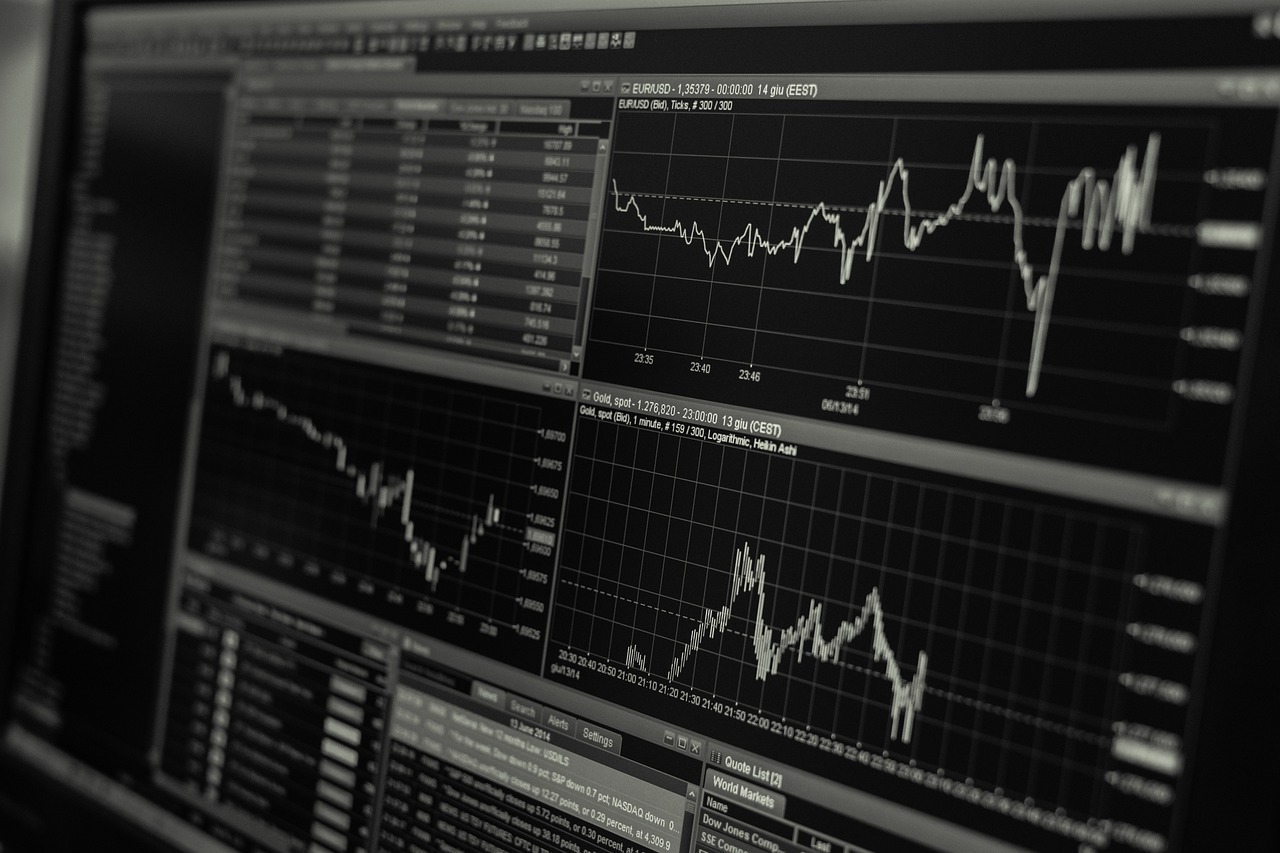
Identifying market trends during the trading day is essential for successful day trading. Traders often look for patterns and signals that can provide a clear direction for price movement. The initial stage involves observing price action through various timeframes. Traders might start with a 1-minute or 5-minute chart to gain immediate insights. Secondly, understanding market sentiment is vital in detecting trends. This can be determined by assessing news, economic indicators, or social media sentiment. Technical analysis tools like moving averages can also help in establishing the strength and direction of trends. Utilizing these indicators allows traders to time their entry and exit points more effectively. By recognizing higher highs and higher lows in an uptrend, traders can avoid making impulsive decisions that lead to losses. In contrast, lower highs and lower lows depict a downtrend, signaling the need for caution. Additionally, recognizing the market rhythm can enhance a trader’s ability to capitalize on price movements. Overall, the amalgamation of price action observation, sentiment analysis, and technical tools is crucial for spotting market trends successfully, enabling informed trading decisions. Understanding these elements thoroughly is paramount for day trading success.
To spot market trends effectively, it’s beneficial to utilize certain technical indicators. These indicators serve as tools to filter signals and can dramatically improve trading strategies. Moving averages are one such popular tool among traders. They help smooth price data to identify the direction of the trend over a specified period. Another useful indicator is the Relative Strength Index (RSI), which indicates whether an asset is overbought or oversold. By assessing the RSI, traders can decide optimal entry or exit points for their trades. Volume analysis is equally important in confirming trends. A price move accompanied by high volume suggests that the trend is more likely to continue. Conversely, moves on low volume can indicate potential reversals. Besides these tools, chart patterns like head-and-shoulders or double tops and bottoms provide vital insights into market movements. Recognizing these patterns early allows traders to capitalize on profitable trades. Integrating these technical analysis tools enhances traders’ market understanding, ultimately promoting better trading decisions. As a day trader, combining various techniques enriches your strategies and enables you to act promptly to claim profitable windows.
Understanding Candlestick Patterns
Candlestick patterns hold significant importance in day trading for detecting market trends. Each candlestick provides crucial insight into price action over a specified time period. By analyzing these patterns, traders can gauge market sentiment and predict potential reversals or continuations in trends. Common patterns such as engulfing patterns, doji stars, or hammers serve as indicators of market behavior. For instance, an engulfing pattern suggests a strong reversal could occur while a doji indicates indecision among traders. Identifying these formations early allows traders to position their trades strategically. Additionally, integrating candlestick patterns with volume analysis can offer added confirmation of a trend’s strength. Thus, a bullish engulfing pattern emerging alongside increased volume enhances confidence in the potential price rise. Moreover, it is essential for traders to remain vigilant and not rely solely on candlestick patterns for decisions. A comprehensive approach that includes reading other indicators and market news provides a well-rounded view to enhance the trading strategy. Ultimately, understanding candlestick patterns is indispensable for traders looking to make informed and timely trading decisions, increasing the likelihood of long-term trading success.
Staying updated with financial news is a critical practice for day traders seeking to understand market trends better. Economic reports, earnings releases, and geopolitical events can greatly influence market movements. By being aware of scheduled announcements, traders can prepare for anticipated volatility in the stock prices. For instance, a company’s earnings report that exceeds expectations could lead to bullish trends in its stock. On the other hand, negative news can cause abrupt market shifts, and recognizing these timely can save traders from unnecessary losses. Further, platforms that provide real-time news updates enable traders to react swiftly to market changes. Utilizing social media channels and financial news sites allows traders to gather insights quickly. Furthermore, understanding economic indicators, such as GDP growth rates, unemployment figures, and inflation data, can help assess the overall market sentiment. As news can create unexpected volatility, incorporating fundamental analysis alongside technical analysis enhances a trader’s outlook. Combining these aspects equips traders with a rounded view, significantly influencing decision-making processes. In summary, staying informed and adaptable to ongoing market developments is essential to successfully spotting trends and capitalizing on them during the trading day.
Utilizing Support and Resistance Levels
Support and resistance levels are pivotal in determining market trends in trading. These levels indicate potential price barriers where the asset’s price finds difficulty rising above or falling below. Identifying these levels involves analyzing historical price data, where traders can observe how prices have reacted at specific points. For instance, a strong support level can signal an area where buying interest increases, leading to potential price rebounds. Conversely, resistance marks a point where selling pressure may emerge. Tracking these levels helps traders effectively navigate the market’s rhythm. When prices break past resistance, it might indicate a bullish trend, while a price falling below support can signify a bearish trend. Additionally, utilizing moving averages alongside support and resistance can enhance their effectiveness as part of a trading strategy. Incorporating these elements allows traders to refine their entry and exit strategies and manage risk effectively. By understanding these key price levels, traders can bolster their trading strategies and capitalize on profitable market movements. In essence, the strategic application of support and resistance can empower day traders in making informed decisions.
Understanding market psychology is also fundamental for day trading and spotting market trends. The collective behavior of traders can greatly influence price movements. Emotional factors like fear and greed often sway traders’ decisions, leading to impulsive actions. A thorough understanding of market psychology enables traders to anticipate how others might react to certain market conditions. For instance, during a sell-off, fear can drive prices down, while optimism can fuel rallies. Furthermore, incorporating sentiment indicators can provide insight into overall market psychology, enabling traders to determine when sentiments may shift. By recognizing these shifts early, traders can position themselves advantageously to capitalize on emerging trends. Additionally, studying trader behavior during volatile periods can yield clues on market direction. Another vital aspect is maintaining a disciplined trading approach, avoiding emotional reactions to price swings. This fosters clear and rational decision-making, enhancing the chances of successful trades. Ultimately, analyzing market psychology and its implications on trader behavior is an invaluable tool for day traders. Understanding how sentiment intertwines with price trends equips traders with an extra layer of insight, aiding them in navigating the complexities of the day trading environment.
Conclusion: Merging Strategies for Trend Identification
In conclusion, the successful identification of market trends during the trading day requires a multifaceted approach. By merging technical analysis, candlestick patterns, market news, and understanding psychological influences, traders create robust strategies for navigating the stock market. This holistic approach enables traders to sustain awareness of market dynamics and respond quickly to fluctuations. Continuous learning and adapting to emerging market conditions play a critical role in this process. It is essential for traders to not only rely on one technique but to be versatile in their approach, harnessing the strengths of various strategies. Furthermore, envisioning a streamlined process that combines technical indicators with news analysis can enhance a trader’s precision in entering and exiting trades. As trends can shift rapidly, blending multiple methodologies allows for refined decision-making in real-time. Regular evaluation and adjustment of trading strategies based on performance fosters ongoing improvement and success in day trading. Ultimately, the amalgamation of these elements is the key to empowering day traders to thrive in an unpredictable market, optimizing their chances for profitable outcomes while minimizing risks.
In summary, skillfully spotting market trends in day trading isn’t just about technical indicators, but also about insights and adaptability. A rounded understanding of the various components involved in trading is essential for long-term success. Through continuous practice of the techniques discussed, traders can significantly enhance their decision-making capabilities in the stock market. Ultimately, building a resilient trading strategy that incorporates a blend of multiple techniques will enable traders to more effectively identify market trends and act upon them with confidence. This preparation builds a solid foundation for achieving trading goals, as responsive actions to market movements are crucial for thriving amidst the daily fluctuations of the stock market.