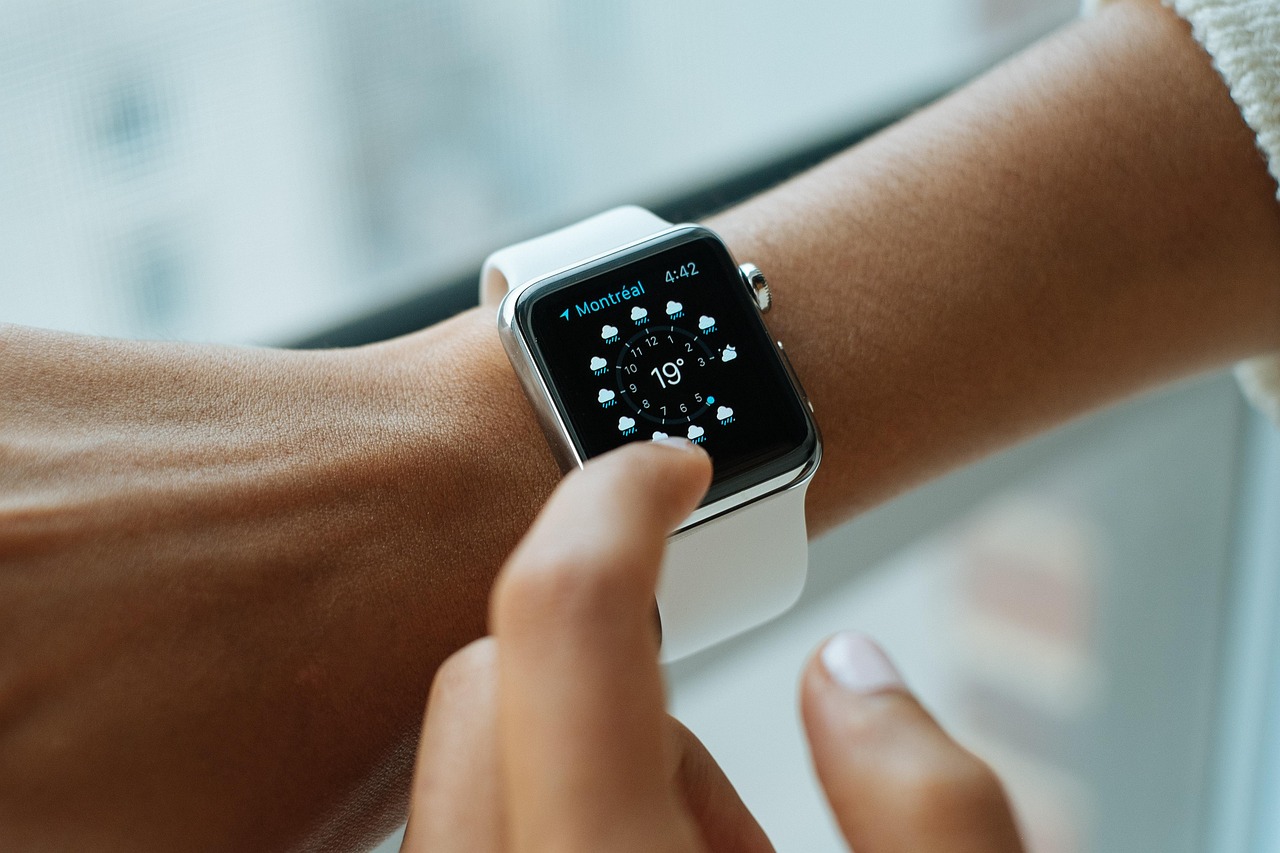

Wearable Technology: A New Frontier in Health Insurance
In recent years, wearable technology has transformed various industries, and the health insurance sector is experiencing significant changes. Devices such as smartwatches and fitness trackers are changing the way insurers assess risk and manage policies. With the ability to collect data on physical activity, heart rates, and other health metrics, insurance companies can interact with customers in new ways. As these technologies evolve, they offer opportunities for both insurers and consumers, enabling personalized insurance plans. However, privacy concerns arise with data collection, necessitating robust security measures to protect users’ information. Insurers can encourage healthier lifestyles by providing incentives to customers who use these devices. Examples of incentives can include premium discounts or rewards programs that promote regular health check-ups. The potential for remote patient monitoring through wearables is enormous, allowing medical professionals to track patients’ health in real time. Incorporating technology into insurance planning fosters a more proactive approach to health management, ultimately leading to enhanced customer satisfaction and reduced costs for providers.
The Impact of Data on Pricing Models
The collection of data through wearable devices is reshaping insurance pricing models significantly. Insurers now have access to real-time information on policyholders’ health behaviors, eliminating traditional generic risk assessments. This data-driven approach allows for a more tailored experience in insurance planning, potentially leading to fairer pricing structures for individuals. For example, if a policyholder demonstrates consistent physical activity or better health metrics, they may qualify for lower premiums. Similarly, high-risk individuals can utilize wearables to track their progress, improve health, and receive premium reductions over time. The continuous feedback loop fosters not only better health but also strengthens the insurer-policyholder relationship. Companies benefit from reduced claim payouts, while customers reap the rewards of healthier living. Furthermore, wearables can help insurance firms predict future healthcare costs more accurately, thereby enhancing their financial models. Companies are increasingly investing in technology partnerships with device manufacturers to create seamless integrations. As the wearables market grows, insurers must adapt; thus, consumer awareness of their data rights and management practices becomes paramount.
Enhancing Preventive Care through Technology
Wearable technology plays a critical role in improving preventive care in the health insurance landscape. By equipping users with devices that monitor vital signs, organizations can encourage healthier behaviors and facilitate early intervention. Wearables can alert users to irregularities, prompting them to seek medical advice. This proactive approach leads to better health outcomes and potentially lowers healthcare costs. Health insurance providers can integrate these technologies into their offerings, creating programs that emphasize prevention rather than treatment. Users are more likely to engage in fitness activities due to gamification elements in wearable apps, fostering a community around health goals. Moreover, insurers can use aggregated data to identify trends and tailor wellness programs effectively. This creates a culture of health awareness, significantly boosting program effectiveness. Insurers are exploring partnerships with healthcare providers to develop comprehensive wellness initiatives using wearables. Furthermore, health insights offered through these devices can lead to personalized insurance plans aligned with individual user health trajectories. Programs highlighting preventive care may also lead to lower overall claims and healthier policyholders, creating a win-win situation for insurers and consumers.
Regulatory considerations are essential for the adoption of wearable technology in health insurance. As insurers utilize data from wearable devices, existing regulations regarding data privacy and security must not only be followed but enforced rigorously. Government bodies may introduce new rules surrounding how data is collected, stored, and shared to ensure consumer trust. Companies must also develop transparent policies that outline how user data will influence insurance coverage and pricing. Additionally, insurers should prioritize collaboration with legal experts to navigate the evolving landscape of health data legislation effectively. Emphasizing compliance with regulations portrays commitment to user rights while fostering a culture of transparency. Developing clear consent processes for data sharing is necessary to reassure customers. Regulators and insurers must work together to create standards that promote innovation but ensure consumer protection. Emerging technologies will continue to challenge legal frameworks, making ongoing dialogue crucial. As the healthcare and insurance industries embrace novel solutions, collaboration with regulators will be imperative to achieving successful outcomes and creating consumer confidence in wearable technologies.
Challenges and Concerns Surrounding Wearables
Despite the numerous advantages of wearable technologies in health insurance, various challenges remain. The primary concern involves data privacy and security, as users may hesitate to share sensitive health information with insurers. Regulatory frameworks must adapt to provide robust protections against data breaches, ensuring consumer trust remains intact. Additionally, not all policyholders or demographics may have equal access to wearable devices due to cost, further complicating insurance models. Insurers must consider how to include these individuals in wellness programs and ensure equitable benefits across their customer base. Furthermore, the accuracy of data collected from wearables can be questioned, as personal health data is often subject to discrepancies or manipulation. Insurers must implement measures to verify and validate the information gathered from devices. Additionally, as technology rapidly advances, keeping customers informed can be a daunting task. Education and support services will be vital in helping users understand the implications of sharing their data with insurers. Addressing these challenges effectively will be key in the successful integration of wearables into health insurance.
Partnerships between insurers and wearable technology companies are essential for maximizing the benefits of these innovations. Collaborations allow insurers access to the latest advancements in technology while enabling device manufacturers to understand the insurance landscape better. Through such partnerships, insurers can develop specialized insurance products catered to specific demographic needs. For example, fitness companies can provide data analytics for insurers, allowing them to create programs that encourage active lifestyles among policyholders. Additionally, these partnerships may yield cost efficiencies by leveraging shared resources and expertise in health monitoring technology. Insurers can introduce tailored programs based on data insights derived from wearables, ultimately increasing customer engagement. Moreover, collaborating with tech developers enables insurers to enhance user experience through intuitive interfaces and improved functionalities in health apps. Both parties share the responsibility of educating customers on the benefits of wearable technology in insurance. Consequently, these joint efforts will promote technology adoption at a larger scale, leading to healthier consumers and streamlined insurance operations. As wearable technology becomes more mainstream, the potential for innovative insurance solutions becomes increasingly prominent within the industry.
The Future of Wearables in Insurance Planning
The landscape of wearable technology in health insurance continues to evolve, with exciting possibilities on the horizon. Experts believe that advancements in artificial intelligence and machine learning will further enhance the capabilities of these devices. The integration of predictive analytics will allow insurers to identify at-risk individuals before health issues arise, enabling timely interventions. As telemedicine expands, wearable devices may become vital tools for virtual healthcare delivery. Remote monitoring could mean regular check-ins with healthcare professionals through integrated platforms, ensuring continuous patient support. Furthermore, the ongoing evolution of wearable features is expected to result in increased personalization of health apps tailored to users’ unique needs. Future wearables may leverage enhanced sensors, enabling more accurate and diverse health metrics. As health insurers invest in technology, innovative partnerships and collaborations will become essential strategies in the industry. Encouraging consumers to engage actively in their health journeys will enhance trust and loyalty. Embracing the future of wearable technology will cultivate a new era of health insurance that focuses on prevention, personalization, and proactive care, ultimately benefiting both insurers and policyholders throughout their journey.
As the health insurance industry transforms with the integration of wearable technology, a focus on education and transparency will be critical. Ensuring that consumers understand the benefits, functionalities, and risks associated with wearables is vital for widespread adoption. Insurers can conduct workshops, webinars, and personalized consultations to help policyholders make informed decisions regarding their health data. Providing access to comprehensive resources like white papers, FAQs, and videos will foster a more knowledgeable consumer base. As familiarity grows, consumers will likely embrace these technologies, paving the way for increased health accountability. Mental health monitoring and support are on the rise, as wearables become integral in tracking emotional and psychological well-being. This expansion underscores the versatility and significance of wearable technology in health insurance. Furthermore, as the industry becomes more digitized, successful players will be those who prioritize customer experience and engagement. Offering seamless interactions and ongoing support will ensure that users remain satisfied and informed. Ultimately, as the world moves steadily towards a future dominated by technology, the symbiotic relationship between wearables and health insurance is poised to flourish, opening new frontiers in consumer health management.