
Utilizing Email Marketing to Enhance Sales Funnel Performance
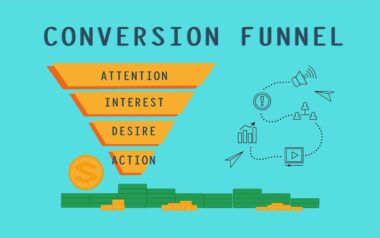
Email marketing plays a crucial role in enhancing sales funnel performance, enabling businesses to engage potential customers effectively. It allows for personalized communication tailored to the audience’s needs and preferences. By utilizing data analytics, businesses can segment their email lists, sending targeted content to various demographics, thereby maximizing relevance. A well-executed email marketing strategy can lead to increased conversion rates, helping potential clients nurture their journey from awareness to decision-making. Moreover, automating email campaigns can maintain engagement without overwhelming resources. The use of marketing automation aids in scheduling, sending, and tracking emails to improve efficiency. Educational content can be shared through emails that provide value, ensuring recipients stay informed and engaged. Moreover, maintaining consistency in email design, tone, and messaging is vital for brand identity. Using compelling subject lines increases open rates, while strong Calls to Action (CTAs) guide recipients towards desired actions, such as visiting a website or making a purchase. Businesses should regularly analyze their email performance, adjusting strategies based on results to optimize effectiveness continually. In a digital landscape, effective email marketing could be a game-changer for sales funnel management.
Segmenting your audience effectively is essential to enhancing your sales funnel through email marketing. By dividing your email list into specific groups, you can tailor content to meet different needs and interests. This ensures that recipients receive relevant messages that matter most to them. For example, you might segment based on demographics, previous purchase behavior, or engagement levels with your brand. Each of these segments can receive personalized offers or content that reflects their journey through the sales funnel. Personalized emails demonstrate that you value your recipients’ preferences, which fosters loyalty and enhances engagement. A/B testing different subject lines, content, and sending times can also provide insights into what resonates best with your audience. Regularly refining your segments based on analytics helps maintain relevancy over time. Furthermore, employing dynamic content in your emails allows for customization based on user behavior, providing a more tailored experience that boosts conversions. Integrating email campaign objectives with sales funnel stages enhances the effectiveness of your marketing efforts. It’s essential to keep evolving strategies as trends change, ensuring your email marketing efforts remain impactful and aligned with your goals.
Effective Content Strategies for Email Campaigns
Creating engaging content is fundamental to the success of email marketing campaigns in the sales funnel. Your emails should not only inform but also entertain and inspire your audience. Content can vary, including informative articles, eye-catching visuals, or video links that captivate. Each piece of content must be crafted with the audience’s interests in mind, fostering a connection that encourages further interaction. Storytelling is a powerful technique in email content creation, as narratives can evoke emotions and inspire actions. Incorporating user-generated content, such as testimonials and case studies, can build trust and authenticity. Including educational resources like eBooks or webinars can help guide potential customers through their journey and position your brand as an authority in your niche. Tracking engagement metrics, such as click-through rates and time spent on content, allows for ongoing optimization of email content strategies. Additionally, regular newsletters can keep your audience informed about new products, promotions, or industry insights while encouraging continuous engagement. Using visuals strategically can break up text and enhance the overall appeal of your emails, ensuring information is easy to digest.
Automation in email marketing significantly enhances sales funnel performance, driving efficiency and consistency. Automated email sequences can help nurture leads through various stages of the funnel by sending relevant information at key times. Welcome emails, for example, can introduce new subscribers to your brand immediately after signup, setting the tone for future communication. Additionally, follow-up sequences after specific actions, such as website visits or product views, can remind customers of their interests and encourage conversion. Utilizing triggered emails ensures that messages are sent based on user behavior, increasing relevance and effectiveness. Behavioral tracking allows for deeper insights into customer preferences, enabling more strategic automation. Furthermore, maintaining audience engagement over time can be achieved through win-back campaigns targeting inactive subscribers. These emails aim to re-engage users who have not interacted with your communications recently. Marketers should regularly assess automation workflows for efficiency, ensuring that the content remains fresh and relevant. Adopting a rigorous testing approach helps identify which automation strategies yield the highest engagement and conversion rates. This continuous adjustment fosters a responsive approach to email marketing that evolves with customer needs and market trends.
The Role of Metrics and Analytics
Analyzing metrics and performance analytics is the backbone of effective email marketing, directly impacting sales funnel success. Key performance indicators (KPIs), such as open rates, click-through rates, and conversion rates, provide valuable insights into the effectiveness of your campaigns. Regularly monitoring these metrics informs adjustments to strategies, allowing marketers to capitalize on successful tactics and eliminate less effective approaches. Utilizing A/B testing to compare different email versions can reveal what drives better responses from recipients. This iterative process facilitates ongoing improvements in messaging and design. Equally important is measuring subscriber growth and retention metrics; understanding why certain users leave can guide better engagement methods. Email bounce rates indicate deliverability issues, and high unsubscribed rates signal content that may not be resonating with your audience. Segmenting performance analytics by campaign type helps pinpoint successful strategies applicable across various funnels. Comprehensive data reporting consolidates insights that guide future marketing efforts. Overall, leveraging metrics empowers sales funnel management by providing actionable data, guiding strategies to enhance audience engagement and improve overall conversion rates.
Ensuring email deliverability is critical to maintaining effective sales funnel management through email marketing. No matter how compelling your content is, it won’t convert if it does not reach your recipient’s inbox. Building a high-quality email list is fundamental; using double opt-in methods ensures that subscribers genuinely want to receive your emails. Implementing sender authentication protocols, like SPF, DKIM, and DMARC, improves sender reputation and reduces the chances of emails being flagged as spam. Additionally, regularly cleaning your email list by removing inactive or invalid addresses ensures higher deliverability rates. Active engagement with your subscribers also indicates to email service providers that your content is relevant and wanted. Creating engaging subject lines encourages open rates, essential for avoiding deliverability issues. Refraining from spammy practices, such as misleading subject lines or excessive images without text, minimizes the risk of triggering spam filters. Furthermore, optimizing sending frequency based on subscriber preferences helps maintain positive engagement and retention rates. Consequently, heightened deliverability leads to improved performance of marketing campaigns and enhances overall sales funnel efficiency.
Conclusion: The Future of Email Marketing in Sales Funnels
The future of email marketing in sales funnels looks promising, with continuous advancements in technology paving the way for more personalized and effective strategies. As businesses increasingly turn to data-driven marketing, understanding consumer behavior becomes paramount. AI and machine learning tools can enhance segmentation and personalization, delivering content at precise moments in the customer journey. Additionally, integrating multi-channel strategies can diversify outreach, reinforcing email efforts with social media and other platforms to create a cohesive experience. Maintaining compliance with regulations, such as GDPR, will remain paramount as privacy concerns grow; transparent practices will build trust and foster long-lasting relationships with your audience. As new technologies emerge, such as automation and predictive analytics, the ability to anticipate customer needs can greatly enhance marketing efforts. Brands that adapt quickly to these changes and leverage innovative tactics will likely outpace competitors. Overall, leveraging email marketing within your sales funnel holds immense potential for driving growth and customer loyalty. As marketers embrace evolving trends, they must remain agile and responsive to market shifts to continuously improve their strategies.
Email marketing plays a crucial role in enhancing sales funnel performance, enabling businesses to engage potential customers effectively. It allows for personalized communication tailored to the audience’s needs and preferences. By utilizing data analytics, businesses can segment their email lists, sending targeted content to various demographics, thereby maximizing relevance. A well-executed email marketing strategy can lead to increased conversion rates, helping potential clients nurture their journey from awareness to decision-making. Moreover, automating email campaigns can maintain engagement without overwhelming resources. The use of marketing automation aids in scheduling, sending, and tracking emails to improve efficiency. Educational content can be shared through emails that provide value, ensuring recipients stay informed and engaged. Moreover, maintaining consistency in email design, tone, and messaging is vital for brand identity. Using compelling subject lines increases open rates, while strong Calls to Action (CTAs) guide recipients towards desired actions, such as visiting a website or making a purchase. Businesses should regularly analyze their email performance, adjusting strategies based on results to optimize effectiveness continually. In a digital landscape, effective email marketing could be a game-changer for sales funnel management.