
Impact of Inflation on Foreign Exchange Markets
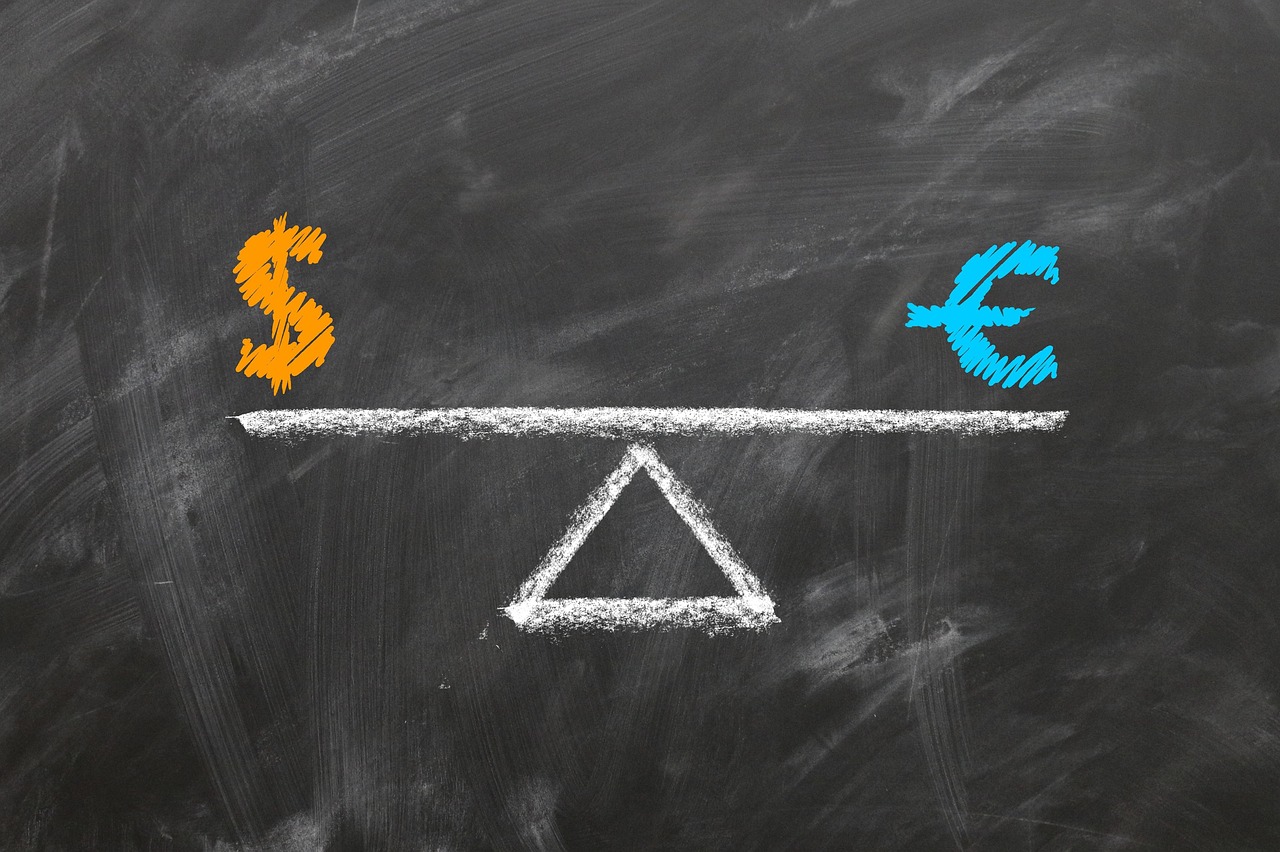
Inflation is a crucial economic indicator that significantly influences foreign exchange rates. In a globalized economy, currencies are traded on various factors, with inflation standing out due to its visible impacts. When inflation rises in a particular country, it usually signifies that the purchasing power of its currency is declining. This decline can lead to a direct depreciation of the currency. Investors assess inflation rates to determine the potential increases in interest rates set by the central bank. For instance, if inflation escalates, central banks may respond by raising interest rates to combat it. Higher interest rates often lead to a stronger currency, as investors seek better returns on investments compared to other currencies. In contrast, if inflation remains unchecked, the domestic currency may weaken as investors lose confidence. Additionally, countries experiencing a stronger inflation rate often face capital outflows as foreign investors may move their capital elsewhere, seeking safer currencies. Therefore, understanding inflation and its relationship with forex markets is crucial for investors and policymakers to make informed decisions regarding currency investments.
Understanding Inflation and Its Types
Inflation can manifest in various forms, primarily categorized into demand-pull, cost-push, and built-in inflation. Demand-pull inflation occurs when demand exceeds supply, prompting an increase in prices. This type of inflation is generally seen in growing economies where consumer spending increases significantly. Conversely, cost-push inflation arises when the production costs of goods and services rise, prompting manufacturers to increase prices. Factors that contribute to cost-push inflation include wage increases and supply chain disruptions. Built-in inflation relates to the adaptive expectations of consumers and businesses. As people expect future inflation, they increase wages and price adjustments accordingly. Understanding these types is vital because each type can affect currency differently in the forex market. For example, high demand-pull inflation may indicate a booming economy, attracting foreign investment, while cost-push inflation could lead to a weakening currency due to economic strains. Investors should thus monitor inflation trends to make informed currency trading strategies. Evaluating how these types of inflation overlap with monetary policy is crucial in anticipating future movements in foreign exchange markets.
Inflation has direct implications for interest rates, which are crucial components influencing foreign exchange rates. Central banks, including the Federal Reserve, often adjust interest rates in response to inflation patterns. When inflation surpasses target levels, central banks might raise interest rates to contain the inflationary pressure. Higher interest rates generally lead to increased investment in that currency, as foreign investors chase superior yield. This influx can cause appreciation in currency value. On the other hand, if inflation remains low, central banks might lower interest rates, leading to depreciation of the currency. The interplay between inflation and interest rates is a critical factor for forex trading strategies. Investors often seek to capitalize on interest rate differentials between two currencies, which stem from changes in inflation. Consequently, understanding the relationship between inflation and interest rates is essential for evaluating currency trends. Furthermore, geopolitical events can exacerbate inflation, prompting rapid responses from central banks. Traders need to closely monitor central bank announcements related to inflation and interest rates as they can create volatility in the forex market.
Diversifying currency investments becomes increasingly important in times of inflationary pressures. When certain economies experience high inflation, it often leads to widespread currency fluctuations. Investors must remain vigilant in identifying currencies that serve as safe havens, such as the US Dollar or Swiss Franc. During inflationary periods, investors may flock to these currencies to protect their investments from volatility. Additionally, currencies from emerging markets may be more susceptible to the negative impact of inflation, creating opportunities for investors to take advantage of undervalued currencies. Moreover, currency correlations can shift unpredictably during inflationary periods, complicating investment strategies. Traders need to evaluate historical patterns of currency behavior in response to inflation to build effective hedging strategies. Furthermore, diversifying across various currencies can mitigate risks associated with high inflation in specific regions. In conclusion, the volatile nature of foreign exchange rates in light of inflation calls for strategic diversification to minimize exposure while maximizing potential gains. Investors should consider incorporating a diversified currency portfolio to navigate fluctuations effectively.
Impact of Global Events on Inflation and Forex Markets
Global events play a significant role in shaping inflation and consequently influencing foreign exchange markets. Crises such as natural disasters, geopolitical tensions, or pandemics can create disruptions in supply chains, leading to increased costs and inflation. For example, the COVID-19 pandemic has had profound effects on inflation worldwide. Disruptions in production and logistics contributed to rising prices across various sectors. As a result, central banks had to manage inflation expectations while ensuring economic recovery. Importantly, countries that depend significantly on imported goods may experience heightened inflation due to currency depreciation amid crises. Forex traders should stay informed about relevant global events, as they can create sudden shifts in currency worth. Furthermore, central banks may implement measures to counter excessive inflation during such crises, influencing currency value on foreign exchange markets. Monitoring these dynamics is essential for successful currency trading, as well as recognizing when to enter or exit trades. In summary, understanding the relationship between global events, inflation, and forex markets is vital for investors aiming to navigate the complexities of foreign exchange trading.
Investors often look for indicators that can help forecast inflation trends to better position themselves in the forex market. Economic reports, including consumer price index (CPI) data and producer price index (PPI) data, provide insights into inflationary pressures. A rising CPI signifies increased consumer prices, which may suggest widening inflationary trends. Conversely, if PPI rises due to increased production costs, it could lead to a similar rise in consumer pricing. Traders can capitalize on this information by evaluating potential market reactions to these economic reports. Furthermore, studying the responses of central banks can help investors gauge future interest rate policies influenced by inflation trends. For instance, if inflation expectations rise, investors might anticipate monetary tightening to stabilize prices. Monitoring inflation projections from renowned financial institutions aids investors in forming comprehensive trading strategies. Combining analytical data with market sentiment is crucial for successful trading amid inflation. In summary, staying updated with economic indicators is essential for forex investors to forecast inflation trends, enabling proactive steps to mitigate potential risks and seize opportunities.
In conclusion, inflation significantly impacts foreign exchange markets, making it a vital area of study for investors and policymakers. The relationship between inflation, interest rates, and market dynamics is critical to understanding price movements. With various forms of inflation influencing currency values differently, investors must remain vigilant and informed. Employing strategies such as diversifying currency portfolios can help mitigate risks associated with inflation fluctuations. Additionally, being mindful of global events that can trigger rapid inflation changes is imperative for successful trading. Understanding economic indicators provides valuable insights into potential currency trends. Moreover, currency fluctuations often present lucrative trading opportunities for those adept at analyzing inflationary pressures. Ultimately, the approach to trading in foreign exchange must integrate an understanding of inflation dynamics to achieve sustainable success in the market. As the global economy continues to evolve, the essential nature of inflation awareness within forex trading cannot be underestimated.