
Smart Strategies to Save Energy and Money at Home
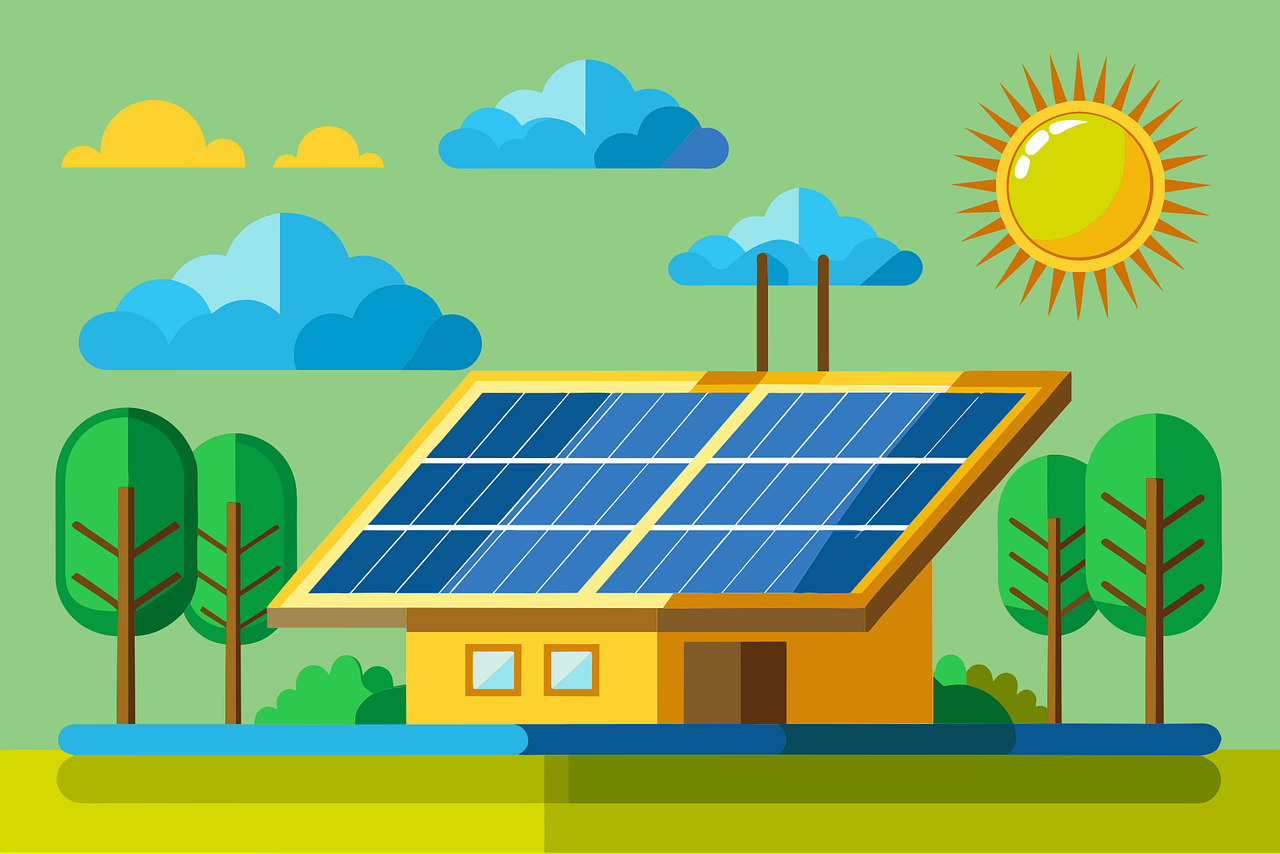
Implementing energy-efficient home improvements is an excellent way to reduce your energy bills and environmental impact. First, consider upgrading to ENERGY STAR-rated appliances, which use considerably less energy than their conventional counterparts. This includes refrigerators, washers, and dishwashers, which can save you hundreds annually. Second, add an energy-efficient thermostat to manage your heating and cooling systems effectively. Programmable and smart thermostats can help maintain comfortable temperatures while optimizing energy usage. Insulating your home can significantly reduce energy consumption; ensure that walls, attics, and basements are well-insulated. Don’t forget about windows; double or triple-pane models provide enhanced insulation while reducing noise and condensation issues. Additional strategies include caulking and sealing leaks around windows and doors to prevent drafts. Lastly, consider investing in renewable energy sources, such as solar panels, which can decrease reliance on fossil fuels and provide long-term savings. Investing in energy-efficient technologies not only benefits your wallet but also contributes to a more sustainable future for our planet.
In addition to the crucial insulation, focusing on energy-efficient lighting can yield substantial savings. Switching to LED bulbs, which consume up to 75% less energy than incandescent bulbs, is a cost-effective measure that has become increasingly accessible. Moreover, incorporating motion sensors and dimmers in high-traffic areas can help ensure lights are turned off when not in use. When upgrading your home, prioritize energy-efficient windows that minimize heat loss during winter and keep it cool in summer. Opt for Low-E glass which reflects infrared light, keeping interiors comfortable without over-reliance on heating or cooling systems. Another approach is to install energy-efficient doors; look for those with high R-values. In addition, consider enhancing ventilation by installing ceiling fans for cooling during warmer months. They consume less energy compared to air conditioning units and improve air circulation. You could also adapt your landscaping; strategic tree placement can provide natural shade and lower cooling costs. Embracing these energy-efficient home improvements is an investment in your future and represents a step towards sustainable living.
Maximizing Energy Efficiency Through Smart Technology
Integrating smart home technology in your energy management strategy can yield impressive results. Smart meters empower homeowners to monitor their energy consumption in real time, offering insights into where savings can be made. Furthermore, smart plugs and switches allow users to manage appliances remotely and schedule usage during off-peak hours, ensuring reduced rates. Installing power strips connected to smart devices lets users turn off multiple devices with one click, reducing phantom loads contributing to energy waste. Smart home assistants facilitate optimal energy management while offering convenience; they can remind you to turn off appliances or adjust temperatures according to your routine. Consider automating blinds to maximize natural light during the day and minimize artificial lighting usage. Additionally, embracing home energy management systems provides a holistic approach to track energy use and enhance efficiency. These technologies simplify finding opportunities for savings, enabling you to take informed actions regarding your energy consumption habits. Altogether, incorporating smart technology not only fosters significant savings on energy bills continuously but also brings modern convenience to everyday living.
Utilizing energy-efficient heating, ventilation, and air conditioning (HVAC) systems is paramount in achieving overall energy savings. Start by servicing existing systems regularly; new filters improve airflow and efficiency. When it’s time to replace your HVAC unit, seek out models with a high SEER (Seasonal Energy Efficiency Ratio) rating, which indicates better energy performance. Variable speed systems are more efficient compared to single-speed units, allowing adjustments based on your home’s heating and cooling demands. Incorporating a zone heating and cooling system allows tailored temperature control across different rooms, minimizing energy waste effectively. Furthermore, ceiling insulation plays a crucial role; ensure it meets the required R-value for your area, as it significantly affects your HVAC’s efficiency. A more energy-efficient water heater can also result in considerable savings; consider models with high Energy Factor ratings or tankless water heaters, as they heat water on demand. Finally, regularly checking and sealing ducts is essential to prevent air leaks in your home, contributing to better overall energy performance. Matching your HVAC practices to energy-efficient standards can greatly enhance your savings and comfort.
Water Efficiency and Energy Savings
Improving water efficiency is another critical area where you can save energy and reduce bills. When you treat heating water for showers, dishwashing, and laundering, you typically use substantial energy. Switching to low-flow faucets and showerheads can significantly reduce water consumption without sacrificing performance; these fixtures are designed to provide a satisfying experience while minimizing water usage. Additionally, consider installing a high-efficiency washing machine; these machines utilize less water and energy per load, reducing your overall consumption. Rainwater collection systems can also alleviate water usage for gardening and landscape needs, thus decreasing reliance on municipal water supply. Moreover, ensure your water heater is properly insulated to maintain temperature and optimize its efficiency. Regular maintenance of this appliance ensures it operates effectively and addresses any potential issues to minimize heating costs. Switching to solar water heaters can be worthwhile; these systems utilize renewable energy sources, reducing your electricity consumption from traditional sources. By incorporating water-saving strategies with energy improvements, your savings can grow while promoting an environmentally friendly home approach.
When considering improvements, evaluating the cost versus return on investment (ROI) is essential for your energy-efficient renovations. Focus on projects that provide the most significant savings potential; for instance, adding insulation is generally low-cost compared to the long-term savings on heating and cooling bills. Leverage government incentives and rebates aimed at promoting energy efficiency; many regions offer grants to offset the costs of certain upgrades. Additionally, conduct an energy audit to identify which upgrades yield the best ROI for your specific situation. An energy auditor can highlight areas where energy is lost and outline potential improvements tailored to your home. Implement changes in priority; focus on the most energy-hungry areas first, which may include outdated HVAC systems or single-pane windows. As you continue improving energy efficiency, keep track of your savings to gauge the success of your investments over time. By establishing a systematic approach focusing on high-ROI improvements, you can ensure your home not only becomes more energy-efficient but also enhances your overall quality of life while providing financial relief.
Maintaining Your Energy-Efficient Home Improvements
Finally, maintaining your home improvements is vital in ensuring sustained energy efficiency. Regular maintenance checks should be planned, ensuring key systems such as HVAC, insulation, and appliances remain effective over time. For appliances, follow the manufacturer’s maintenance recommendations, such as cleaning filters regularly and addressing any malfunctions promptly. Seasonal inspections can help keep your HVAC systems running efficiently; this includes changing air filters and ensuring all components operate optimally. Conducting a yearly inspection of seals and insulation will help identify potential air leaks that need re-sealing. For windows and doors, check caulking to maintain their energy efficiency. If you have chosen to implement renewable energy solutions, such as solar panels, periodic cleaning and maintenance ensure they continue functioning efficiently. Monitoring energy use regularly can give insights into areas that may need attention, helping you stay informed about your energy efficiency. By committing to ongoing supervision and maintenance, you can extend the lifespan of your energy-efficient improvements, guaranteeing maximum savings and comfort throughout your home.
In conclusion, embracing energy-efficient home improvements requires commitment to creating a sustainable and economical living space. From upgrading appliances to integrating smart technology, these investments can yield significant short-term and long-term benefits. Prioritizing water and HVAC efficiency can lead to lower utility bills while contributing positively to the environment. By remaining proactive about ongoing maintenance and consistently evaluating your energy performance, you can ensure your home remains energy-efficient over time. Further, leveraging incentives and exploring financing options makes these improvements more accessible to homeowners. The journey to energy efficiency doesn’t need to feel overwhelming; breaking it into manageable, actionable steps can transform your home into an eco-friendly haven. As more homeowners choose energy-efficient solutions, the collective impact can lead to a healthier planet for future generations. Start your journey today by assessing your home’s current energy performance and identifying improvement opportunities. Commit to making incremental changes that contribute to energy savings, ultimately leading to a healthier living environment and financial flexibility. Start today by calculating your potential energy savings and envision the future of your energy-efficient home.