
Integrating CRM Systems to Support Marketing Funnel Management
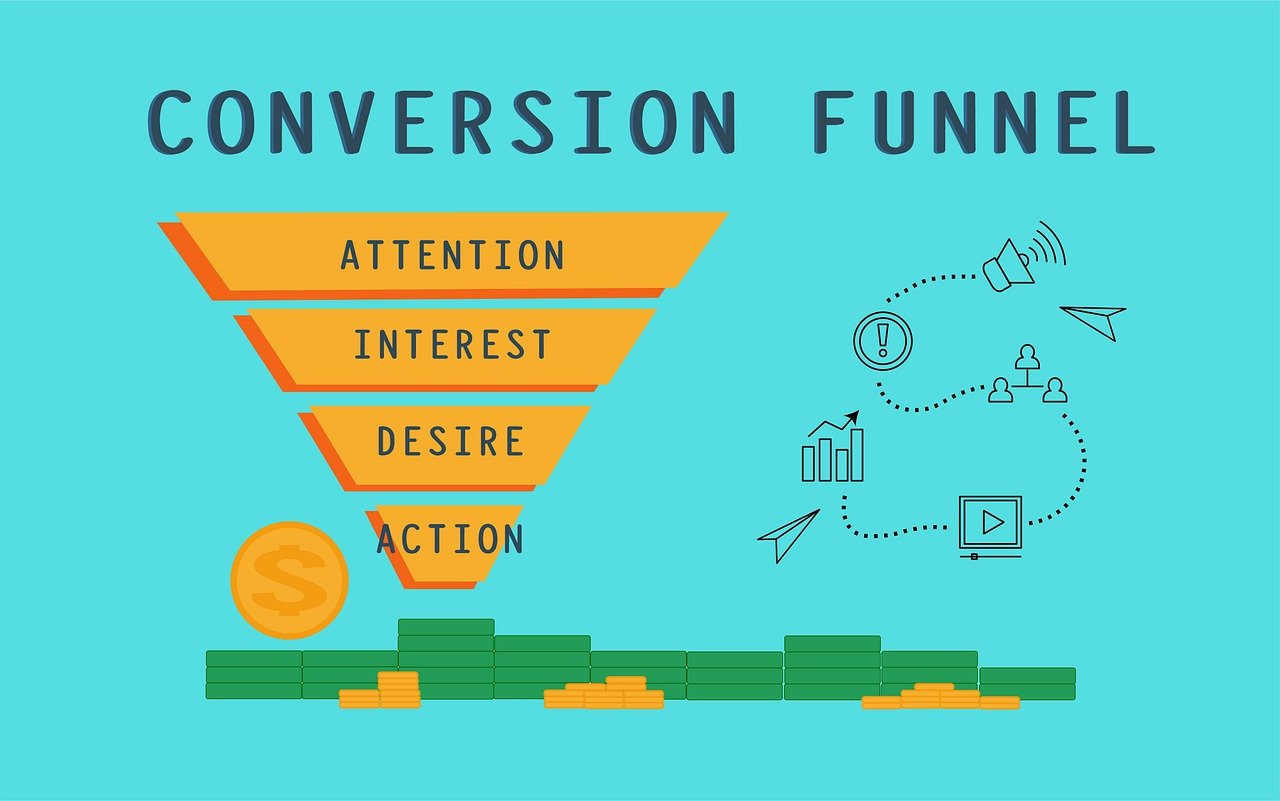
In today’s competitive landscape, understanding the marketing funnel is crucial for businesses aiming to optimize their customer journey. This funnel consists of distinct stages: awareness, interest, desire, and action, guiding prospects toward conversion. To effectively support this process, integrating a Customer Relationship Management (CRM) system is essential. A CRM system centralizes customer data, enabling marketers to tailor their strategies based on interactions and preferences. Utilizing a CRM helps in segmentation, allowing businesses to target specific audiences within the funnel with personalized messaging and content. Moreover, tracking customer interactions through a CRM provides insights into which marketing tactics work best. By analyzing this data, companies can identify which areas in the funnel require improvement and make informed adjustments to their strategies. Ultimately, a well-integrated CRM not only enhances the efficiency of the marketing funnel but also fosters stronger customer relationships, leading to improved retention rates and lifetime value. This synergy between marketing strategies and CRM capabilities is necessary for businesses aiming for long-term growth and success in any industry.
Benefits of CRM Integration
Integrating CRM systems into marketing efforts offers multiple benefits. One significant advantage is increased efficiency in managing leads and customer interactions. A comprehensive CRM allows marketers to automate repetitive tasks, such as sending follow-up emails or scheduling social media posts. By streamlining these processes, teams can focus more on strategic initiatives instead of mundane tasks. Additionally, CRM integration aids in maintaining a centralized repository of customer data, making it easier to access critical information for all team members. This collective insight allows for a more cohesive approach to marketing efforts. Moreover, CRMs facilitate better tracking of customer interactions across various channels, enabling businesses to gain a holistic view of each customer’s journey. With this information, marketers can identify the most effective touchpoints in the funnel and allocate resources accordingly. Ultimately, the integration of CRM systems leads to a more effective marketing funnel, ensuring businesses can optimize their resources while providing exceptional customer experiences, thereby improving overall conversion rates.
Effective use of CRM systems in marketing funnel optimization also relies heavily on data analytics. By leveraging the data insights provided by a CRM, businesses can understand customer behavior patterns within the funnel stages. This understanding enables marketers to develop targeted campaigns and personalized content that resonate with specific segments of the target audience. For instance, if analytics show that leads drop significantly during the consideration phase, businesses can analyze the causes and enhance their content to address those issues. Additionally, implementing predictive analytics within a CRM system can forecast customer behavior and improve decision-making processes. This foresight allows marketers to proactively adjust their strategies rather than reactively responding after seeing poor performance. Another advantage is segmentation; CRMs can help define and analyze various customer segments logically. Each segment can receive tailored messages and offers, which significantly increases the likelihood of successful conversions. In short, integrating robust data analytics capabilities into CRM systems is paramount for effectively enhancing the marketing funnel.
Enhancing Customer Engagement
Customer engagement is a critical factor that influences the effectiveness of the marketing funnel. When integrated with a CRM, businesses can create more meaningful interactions with their customers. Personalized communications, driven by customer data stored in the CRM, ensure that messaging aligns with individual preferences and behaviors. By understanding what interests customers and when they are most receptive, businesses can maximize engagement during pivotal funnel stages. Furthermore, social media integration with CRM systems enhances engagement significantly. Marketing teams can connect directly with customers through their preferred channels, responding to inquiries and feedback in real-time. This direct interaction fosters trust and rapport, making customers feel valued and understood. Additionally, CRM systems can automate sending reminder notifications, informing customers about important dates or product launches. These interactions do not go unnoticed and can lead to increased brand loyalty. Moreover, CRM integration creates opportunities for upselling or cross-selling based on customer data, significantly improving the marketing funnel’s overall performance and conversion rates, establishing a mutually beneficial rapport between businesses and customers.
Another essential component of integrating CRM systems with the marketing funnel is ensuring seamless communication between sales and marketing teams. By fostering collaboration among these departments, businesses can create a more unified approach toward lead management and conversion efforts. A central CRM platform allows both teams to access real-time data about leads and prospects, streamlining follow-ups and ensuring that all interactions are consistent. This unity helps eliminate gaps in the customer journey, which are often caused by miscommunication or lack of visibility into customer interactions. Furthermore, creating a feedback loop between sales and marketing enables teams to share insights on lead quality and journey effectiveness, leading to informed adjustments in marketing strategies. For instance, if the sales team notices a common objection during the sales process, marketers can address that concern in their campaigns. Overall, integrating CRM systems helps break down silos between departments, ensuring customers receive a cohesive experience throughout the funnel.
Measuring Funnel Effectiveness
Effective measurement and management of the marketing funnel are enhanced by integrating a CRM system. In most cases, one of the biggest challenges businesses face is tracking performance across the various stages of the funnel. A comprehensive CRM provides valuable metrics to monitor lead progression, conversion rates, and customer retention. This data enables businesses to assess the effectiveness of their marketing strategies and calculate return on investment (ROI) accurately. With these insights, organizations can identify the strengths and weaknesses of their funnel, leading to informed decisions for improvement. For instance, if certain channels generate higher-quality leads, businesses can invest more resources in those areas. Additionally, automated reporting features within CRM systems save time and effort in analyzing data, allowing teams to focus on strategic initiatives rather than manual data collection. Ultimately, measuring the effectiveness of the marketing funnel through CRM integration not only ensures greater accountability but also fosters a culture of continuous improvement in marketing efforts.
Integrating CRM systems also enhances the ability to implement a customer feedback loop. By collecting feedback at various funnel stages, businesses can gain insights into customer satisfaction and areas for improvement. CRMs can facilitate surveys or feedback forms sent after key interactions, providing valuable information about customer experiences. Understanding customers’ pain points and preferences allows businesses to refine their offerings and address obstacles. This feedback is integral to optimizing marketing strategies since it reflects the real-time concerns and desires of the target audience. Furthermore, a solid feedback mechanism encourages customers to engage in the process, making them feel more involved with the brand. It enhances relationships and fosters loyalty while boosting conversion rates along the funnel. By tailoring strategies based on direct customer input, organizations can ensure their marketing efforts align more closely with consumers’ expectations, ultimately leading to more effective funnel management, increased brand loyalty, and a higher likelihood of conversions over time.
Conclusion
In summary, integrating CRM systems into marketing funnel management is a pivotal strategy for businesses aiming to thrive in a competitive market. The synergy brought by this integration can streamline operations, improve data-driven decision-making, and enhance customer engagement. When effectively utilized, CRM systems facilitate better tracking of customer interactions and segmentation, allowing businesses to personalize their marketing approaches. Additionally, fostering collaboration between marketing and sales teams promotes a more unified customer experience, essential for guiding prospects efficiently through the funnel. Regular measurement and analysis of funnel effectiveness, coupled with a feedback loop from customers, can lead to continuous improvement of marketing strategies. These collective efforts can significantly enhance conversion rates, increase customer loyalty, and ultimately contribute to long-term business success. As companies continue to evolve in their marketing strategies, adopting integrated CRM systems will be crucial to navigating the complexities of the marketing funnel effectively, ensuring that businesses remain relevant and responsive to their customers’ needs.