
Competitive Strategies for Reducing Customer Drop-Off in Sales Funnels
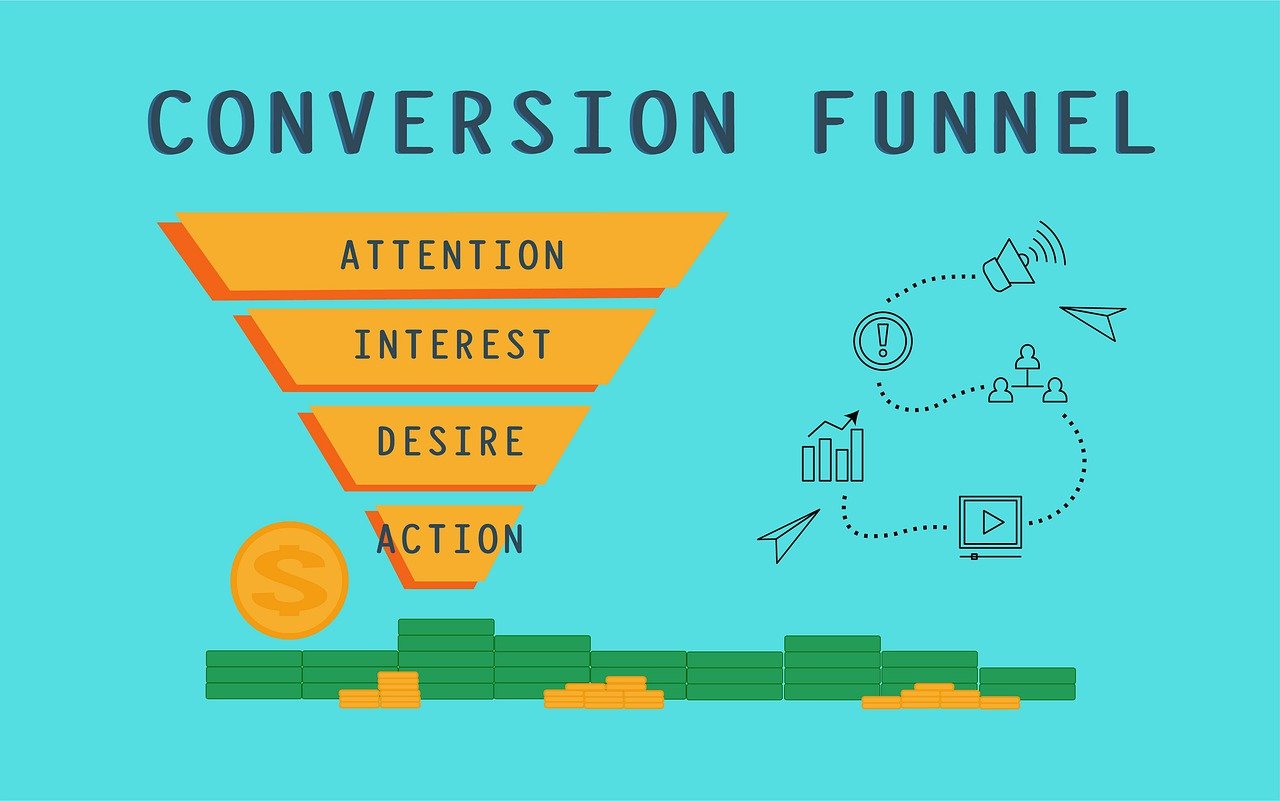
In today’s dynamic market, minimizing customer drop-off in sales funnels is essential for maintaining a healthy business flow. Companies often find that a significant number of potential customers leave before completing a purchase. To better address this issue, conducting thorough competitive analysis is crucial. By examining rival approaches, businesses can discern trends, strategies, and effective practices that yield measurable results. Key strategies include enhancing website usability, optimizing landing pages, and personalizing user experiences. This means ensuring that visitors find what they’re looking for easily, creating visually appealing and informative pages, and tailoring messages based on demographics or previous interactions. Moreover, employing behavioral analytics tools can provide insights into user interactions, highlighting where customers typically exit the funnel. Implementing A/B testing can also lead to refined strategies that cater precisely to an audience’s preferences. By understanding elements that contribute to drop-offs, businesses can craft more robust funnels that effectively guide customers toward conversion. Thus, addressing the stages of the sales funnel with a competitive lens ultimately boosts retention rates and enhances overall sales performance.
Understanding Customer Behavior
To effectively reduce customer drop-off rates, one must deeply understand the behavior of potential customers within the sales funnel. Analyzing customer journeys reveals patterns, preferences, and pain points that frequently contribute to abandonment. Utilizing tools like heatmaps and session recordings facilitates a better understanding of how users interact with various elements of the sales process. Furthermore, surveys and feedback forms can extract qualitative data directly from users, shedding light on their thoughts and feelings about the funnel experience. By employing such techniques, businesses can pinpoint specific areas that require immediate attention. For instance, slow-loading pages or complex forms may frustrate users and prompt them to leave. Additionally, simplifying these processes leads to higher satisfaction rates. Another essential aspect is ensuring that product information is transparent and easily accessible, allowing customers to make informed decisions swiftly. When customers encounter confusion or uncertainty, they are more likely to exit the funnel prematurely. Therefore, consistently gathering data on user behavior and actively responding to feedback creates a streamlined environment where conversion becomes a far more achievable goal. Ultimately, understanding customers is the cornerstone of enhancing sales funnel performance.
Effective engagement strategies can play a pivotal role in ensuring that customers are not lost at any funnel stage. One essential approach is implementing targeted email campaigns that resonate with different user segments. When customers provide their contact details, sending personalized follow-up messages can rekindle interest and drive them back into the funnel. Additionally, adopting cart abandonment strategies, such as sending reminders or offer incentives for completing a purchase, has proven to be effective. Furthermore, incorporating social proof through customer testimonials or trust signals on critical funnel pages fosters confidence in potential buyers. The more a customer feels secure about their decision, the less likely they are to abandon the purchase. In parallel, utilizing chatbots or live chat options creates real-time communication pathways that address customer queries. Should a user struggle with an element of the process, immediate assistance can prevent drop-offs. As engagement strategies are refined, businesses can better anticipate customer needs, transforming uncertainty into clarity. This level of attention can ultimately decrease abandonment rates, resulting in higher conversion rates across the board. By focusing on engagement, customers become more invested in their buying journey.
Optimizing the Sales Funnel
Optimizing the sales funnel is a critical aspect of improving customer retention and reducing drop-off rates. Regular evaluations of each funnel stage allow businesses to identify friction points that may discourage potential buyers. By utilizing analytics tools, companies can track conversion metrics and determine where customers experience difficulty. A data-driven approach encourages informed decision-making and adjustments to continually improve performance. Furthermore, diversifying content types at each funnel stage keeps customers engaged and provides them with necessary product information. Utilizing videos, infographics, or interactive content can enhance user experience and maintain interest. Also, creating compelling calls-to-action (CTAs) at each stage ensures that customers know exactly what steps to take next. Compelling CTAs should be clear, concise, and relevant, making it easy for users to move forward. Additionally, implementing retargeting campaigns can also assist in re-engaging users who dropped off. Using ads that remind or incentivize these customers can bridge gaps and coax them back into the funnel. By maintaining continuous optimization practices, businesses can create a fluid customer journey, thereby promoting higher conversion rates and reduced drop-off occurrences.
The impact of mobile optimization cannot be overstated when trying to minimize customer drop-off. Today, a significant percentage of users browse and shop on mobile devices, which necessitates that businesses prioritize mobile-friendly experiences. Ensuring that sales funnels are responsive and easy to navigate on smartphones and tablets increases the likelihood of conversions. Key considerations include ensuring that loading times are swift, content is legible, and buttons are easily clickable. A cumbersome mobile experience can easily frustrate users, making them abandon their journey. Moreover, implementing progressive web applications (PWAs) or mobile apps can enhance usability further and provide a seamless experience across devices. Some businesses may also benefit from simplifying payment processes, such as enabling one-click checkouts or offering various payment methods that cater to customer preferences. By focusing on optimizing mobile experiences, brands can capture and nurture leads effectively. Additionally, ensuring that marketing efforts are aligned across all platforms also helps maintain engagement and retention rates. A strategy encompassing both desktop and mobile can lead to a more holistic approach to reducing drop-off while maximizing consumer engagement and driving successful conversions.
Leveraging Customer Feedback
Customer feedback acts as a vital guiding tool in refining sales funnels. Regularly soliciting insights from customers can reveal specific aspects that may cause dissatisfaction or confusion. Businesses should integrate feedback mechanisms such as surveys upon exit from the funnel or after purchase completion. This enables them to gather actionable data on customer experiences. Analyzing this information provides businesses with a roadmap for improvements. For example, realizing that customers found the checkout process unnecessarily complicated could prompt businesses to reevaluate their systems. Furthermore, encouraging social sharing after a successful transaction can strengthen customer loyalty and attract new prospects. By enhancing the customer experience in response to feedback, businesses not only increase satisfaction but also reduce the likelihood of drop-offs. Additionally, sharing positive customer experiences publicly, whether through reviews or testimonials, reinforces a brand’s credibility and attracts attention to its sales funnel. Therefore, fostering an environment where feedback is welcomed leads to faster adjustments and cultivates consumer trust. Ultimately, leveraging feedback establishes a proactive approach to understanding customer needs, helping to decrease drop-off significantly in the competitive landscape.
In conclusion, effectively reducing customer drop-off in sales funnels requires a multifaceted approach that emphasizes understanding behavior, optimizing engagement strategies, and implementing responsive designs. Equally important is the need for ongoing analysis and adaptation of strategies based on competitive insights and customer feedback. Businesses can significantly improve conversion rates and overall performance by recognizing the challenges customers face at various funnel stages. Employing data-driven decision-making, leveraging user insights, and fostering a high level of engagement creates a conducive environment for successful conversions. Additionally, incorporating best practices such as mobile optimization and targeted re-engagement tactics can further enhance customer retention efforts. As the landscape of consumer behavior evolves, brands must remain agile and responsive to changes in preferences and trends in the market. Continuous testing and optimization allow for the refinement of sales processes, ensuring that potential customers feel valued and their needs addressed. Ultimately, the key to lowering drop-off rates lies in creating streamlined and customer-centric experiences that guide them toward conversions effectively. By embracing these competitive strategies, businesses can significantly enhance their sales funnel efficacy and drive sustained growth.