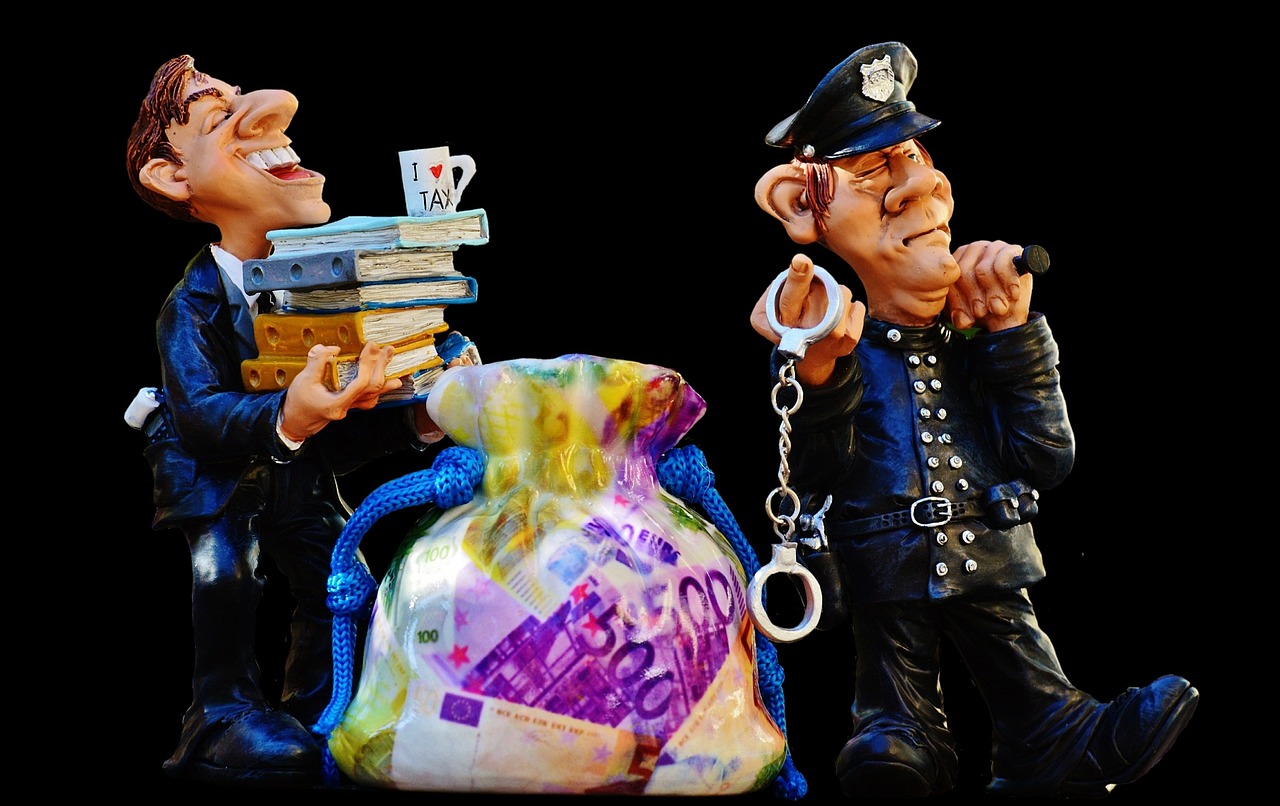

Ethical Considerations in Tax Accounting and Compliance
Tax accounting plays a critical role in ensuring that businesses comply with tax laws while adhering to ethical norms. The ethical aspects of tax accounting involve transparency, honesty, and a commitment to legality. Companies are expected to prepare accurate financial statements and comply with relevant tax obligations, fostering trust with stakeholders and authorities. Ethical financial practices encourage companies to avoid aggressive tax avoidance strategies, which can undermine social responsibilities. Furthermore, embracing ethical tax practices promotes a favorable public image and helps build a sustainable business model. Transparency in tax accounting reflects a company’s integrity, which can enhance customer loyalty and investor confidence. Practicing ethical tax principles involves not only compliance with laws but also the maximizing of business accountability. Consequently, by prioritizing ethical considerations, businesses can significantly impact the communities they operate in and contribute positively to society. Thus, the development of ethical tax policies should be viewed as an integral component of corporate governance. Moreover, educating employees on the importance of ethical tax practices is essential for compliance and accountability across all departments within an organization.
The Importance of Transparency in Tax Practices
Transparency is a fundamental principle within ethical tax accounting, emphasizing open communication about tax strategies and financial statements. This principle helps ensure that stakeholders, including investors and clients, fully understand a company’s approach to tax compliance and management. A lack of transparency may result in distrust, damaging the company’s reputation and hindering its long-term success. Additionally, maintaining open channels of communication allows companies to address ethical concerns promptly and proactively. Stakeholders are more likely to support businesses that openly discuss their tax policies and challenges rather than those that operate in secrecy. Implementing robust disclosure practices can not only facilitate compliance with regulatory requirements but also highlight the company’s commitment to corporate social responsibility. Ethical accounting standards encourage businesses to adopt transparent practices, which are essential in preventing fraud and unethical behavior. Furthermore, publicly sharing information regarding tax payments and contributions allows companies to demonstrate their commitment to responsible tax practices, reinforcing public trust. Consequently, transparent tax accounting contributes to economic stability, allowing businesses to thrive while adhering to societal expectations. Therefore, organizations should continuously assess and improve their transparency practices in tax accounting.
Corporate social responsibility (CSR) plays an integral role in ethical tax accounting, as businesses are increasingly held accountable for their contribution to society. Ethical accounting practices go beyond mere compliance with tax laws, demonstrating a company’s commitment to the community in which it operates. Companies engaging in CSR initiatives align their tax practices with their broader ethical goals. By ensuring that tax contributions are fair and transparent, organizations showcase their integrity to both stakeholders and the general public. Ethical tax behavior supports a company’s credibility and reputation, increasing consumer trust and loyalty. Moreover, companies that actively contribute to their communities can foster goodwill, resulting in positive relations with local governments and organizations. Implementing CSR in tax accounting provides organizations with a competitive advantage, as consumers prefer to support socially responsible companies. Principles of ethical finance emphasize the importance of aligning strategic goals with community interests, leading to sustainable economic growth. Ultimately, businesses that adhere to ethical tax practices and engage in CSR can build a legacy of trust. Thus, the integration of corporate social responsibility with ethical accounting serves as a pathway for long-term sustainability.
Challenges in Maintaining Ethical Tax Practices
Despite the importance of ethical tax practices, companies often encounter significant challenges when attempting to uphold these principles. One of the primary obstacles is the complexity of tax regulations, which can lead to confusion and unintentional non-compliance. Businesses must navigate intricate tax codes and varying requirements across jurisdictions, making it difficult to maintain compliance consistently. Furthermore, aggressive tax strategies, although legally permissible, can create ethical dilemmas, prompting companies to weigh legal benefits against their ethical responsibilities. Companies may also face pressure from stakeholders to minimize tax liabilities, challenging their commitment to ethical accounting. In competitive markets, the temptation to resort to unethical practices for short-term gains can be strong, yet this often backfires in the long run. Additionally, employees may lack training or awareness regarding ethical tax practices, resulting in unintentional breaches of compliance. To overcome these challenges, organizations should foster a culture of ethics and compliance, providing comprehensive training to employees. By embracing a proactive approach towards ethical guidelines, companies can navigate the complexities of tax regulations effectively while maintaining their commitment to integrity and corporate responsibility.
Incentives play a crucial role in shaping ethical tax behaviors within organizations. When businesses align their financial priorities with ethical principles, they are more likely to engage in responsible tax practices. Effective incentives can encourage employees to prioritize compliance and transparency in tax accounting over aggressive tax avoidance strategies that could harm the company’s reputation. Companies can implement reward systems that recognize ethical behavior, which not only promotes a culture of integrity but also enhances employee morale. For instance, introducing bonuses and performance evaluations focused on ethical tax reporting can guide employees in making conscientious decisions. Additionally, creating internal policies that clearly outline expectations for ethical practices can serve as a framework for accountability. Furthermore, organizations can benefit from establishing ethics committees to oversee compliance and ensure that tax strategies align with their values and mission. These committees can evaluate the ethical implications of tax decisions, providing guidance for employees facing dilemmas. By prioritizing ethical incentives and oversight, companies can foster a corporate environment that consistently encourages responsible tax practices and enhances stakeholder trust.
The Role of Regulatory Frameworks
Regulatory frameworks play a vital role in shaping ethical tax accounting practices within organizations. Governments and regulatory bodies establish tax laws and regulations that guide businesses towards compliance and promote ethical standards. These frameworks are designed to prevent tax evasion and ensure that companies contribute fairly to public finances, thus maintaining trust in the tax system. However, the effectiveness of these regulations often depends on strong enforcement mechanisms and penalties for non-compliance. By promoting transparency and compliance, regulatory frameworks can discourage unethical tax practices and foster accountability among businesses. Additionally, governments can encourage ethical behavior through incentives, such as tax breaks for companies prioritizing CSR initiatives. This encourages organizations to adopt ethical accounting practices that align with societal expectations. It is imperative for regulatory bodies to remain vigilant in monitoring compliance and addressing violations swiftly. Moreover, collaboration between government authorities and businesses is essential in developing fair and effective regulatory environments. To enhance ethical standards in tax accounting, continuous dialogue and feedback between stakeholders should be encouraged. Thus, a robust regulatory framework is fundamental in promoting responsible ethical tax practices across the business landscape.
As the landscape of global finance evolves, ethical tax accounting becomes increasingly significant. The rise of multinational corporations and cross-border transactions adds complexity to tax compliance, and companies must navigate a web of international tax laws. This necessitates a greater focus on ethical considerations to prevent tax avoidance and evasion on a global scale. Ethical tax practices not only bolster a company’s reputation but also contribute to financial stability within economies. Businesses are now expected to disclose their tax strategies and the economic impact of their operations in various jurisdictions. This transparency promotes accountability and allows stakeholders to make informed decisions. Furthermore, collaboration with other businesses and government entities is essential to developing effective ethical tax standards suitable for a interconnected global environment. By championing ethical practices in tax accounting, companies can advocate for fair tax systems that benefit society as a whole. Thus, it becomes crucial for organizations to adopt a proactive approach in aligning their tax practices with ethical principles and societal values. In doing so, they contribute to a more equitable financial system and the sustainable growth of economies worldwide.
In conclusion, integrating ethical principles in tax accounting and compliance not only reflects a company’s values but also strengthens stakeholder trust. Businesses that prioritize ethical practices can enhance their reputation and foster long-term relationships with clients, investors, and regulatory authorities. Emphasizing transparency, corporate social responsibility, and adherence to ethical standards is essential for sustainable business practices. However, organizations must also confront the challenges of maintaining ethical compliance amidst complex regulations and competitive pressures. By cultivating an ethical organizational culture and implementing effective incentives, companies are better positioned to navigate the complexities of tax accounting responsibilities. Furthermore, the role of regulatory frameworks cannot be underestimated in promoting ethical tax practices and ensuring a level playing field. As the landscape of finance continues to evolve, businesses must adapt to these changing dynamics and embrace ethical standards wholeheartedly. This includes prioritizing training and education for employees and encouraging open dialogues surrounding ethical tax practices. Ultimately, organizations committed to ethical tax accounting will be well-equipped to contribute positively to their communities and society at large, paving the way for sustainable financial growth.