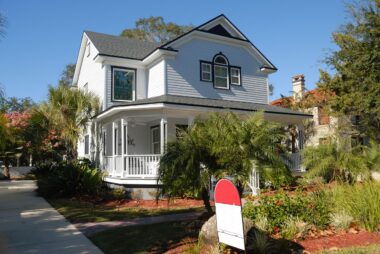

Understanding the Basics of Fix and Flip Strategy in Real Estate Investment
The Fix and Flip strategy involves buying property at a lower price, renovating it, and then selling it at a higher price to realize a profit. It enables investors to capitalize on property value enhancement through strategic renovations. First, identify a promising market where you can acquire properties below their potential market value. Research local real estate trends and demographics to ensure demand supports your investments. Choose properties that require cosmetic improvements or minor repairs rather than extensive structural alterations, as this often constrains timelines and expenses. Next, assemble a reliable team of contractors who can facilitate renovations efficiently. Ensure your team members are experienced in the type of renovations your chosen property requires. Additionally, budget for unexpected costs, as they can significantly impact your overall profit margins. Investors should also consider current local market conditions that can influence property pricing. Once renovations are complete, list the property for sale with a competitive but attractive price to draw potential buyers. A well-executed marketing strategy is crucial for successful sales. Monitor ongoing expenses throughout the process to ensure profitability remains intact.
Identifying Suitable Properties
Identifying suitable properties is essential for the success of the Fix and Flip strategy. Start your search by focusing on neighborhoods experiencing growth or rejuvenation. These areas often provide greater opportunities for appreciation. Utilize online real estate platforms to access listings, and attend local auctions, foreclosures, or bank-owned property sales to unearth undervalued properties. Collaborate with real estate agents who specialize in investment properties and can offer insights into the best opportunities. Look for properties needing aesthetic improvements or minor repairs, as these can often be acquired below market value. Analyze potential properties by evaluating comparable home sales in the area to determine after-repair value (ARV). ARV represents the estimated selling price once renovations are complete. Make an informed decision based on projected renovation costs, typical sales timeframes, and potential selling points. Inspections prior to purchase are crucial in assessing the property’s true condition. Have professionals inspect key structural elements to head off potential costly issues. Additionally, consider properties with good curb appeal, as they can attract buyers more efficiently. Ultimately, make informed decisions based on comprehensive research and analysis all around.
Financing your Fix and Flip project is a fundamental step toward successful execution. Traditional loans can be difficult due to the short time frame often needed for these investments. Therefore, many investors opt for hard money lenders who focus on the property’s value rather than personal credit history. These specialized lenders provide quick access to funds but typically at higher interest rates. Investors can also consider private money lending, where friends or family invest in your project. This arrangement can offer more flexible terms and potentially lower fees. Additionally, be aware of the overall budget, ensuring that funds cover the cost of acquisition, renovations, and unforeseen expenses. Thoroughly outline your budget to avoid running out of money mid-renovation. Moreover, explore potential partnerships with other investors to share financial burdens and lessen risks while maximizing resources. Whichever path you choose, have a clear financing plan in place before purchasing. Understanding your cash flow will make managing expenses throughout the renovation process easier. Document every expenditure meticulously to ensure you remain within your financial limits throughout the entire project.
Renovation Planning
Renovation planning is a critical phase of the Fix and Flip strategy. A well-organized renovation plan can significantly influence the project timeline, costs, and overall success. Start by determining the most valuable upgrades for the target property, focusing on kitchens and bathrooms, as these areas traditionally yield high returns. Create a detailed timeline for renovations, allowing contingencies for delays, and set clear deadlines for each phase. This helps to maintain momentum and minimize holding costs. Collaborate with contractors and design professionals to finalize your renovation vision, as their expertise can guide you in maximizing potential. Ensure that all permits required for any major renovations are secured before work begins, as this avoids costly delays. Implement cost-saving strategies, such as repurposing existing materials or undertaking some minor tasks yourself, to enhance profitability. Continuous communication between you and your contractor fosters transparency and ensures that everything runs smoothly. Regularly review the project’s progress against your timeline and budget, making adjustments as necessary. By keeping control of the renovation process, you maintain the capacity to navigate challenges successfully while still realizing your investment goals.
Marketing your flipped property effectively is crucial for maximizing returns on your investment. Once renovations are complete, it’s time to develop a marketing strategy that highlights the property’s appealing features and upgrades. Start by staging the home to entice potential buyers visually. This involves arranging furniture and decor to showcase each room’s functionality and potential. Capturing high-quality photographs is paramount, as these images will often serve as the property’s first impression online. Invest in professional photography to ensure that your property stands out in listings. Write compelling property descriptions that outline upgrades and the benefits of living in the neighborhood, emphasizing local amenities. Utilize various marketing platforms, including social media, real estate websites, and traditional flyers, to ensure wide-reaching exposure. Hosting open houses can draw interest and encourage potential buyers to visit in person. Consider leveraging real estate agents familiar with the area to reach broader audiences. They can also provide invaluable negotiation skills when offers start coming in. Monitor market trends continuously, adjusting your pricing strategy as necessary to attract the right buyers while ensuring your investment retains maximum value.
Understanding the Risks
Every investment carries inherent risks, and the Fix and Flip strategy is no exception. Investors may face market fluctuations that can affect property values, particularly if economic conditions shift rapidly. It’s essential to conduct thorough market research before committing to any property. Unforeseen expenses can arise during renovations, causing budgets to exceed initial estimates and eating into profits. Proper planning and budgeting for contingencies can help mitigate this risk, ensuring that you set aside enough funds for unexpected issues. Timing is another critical factor, as holding costs for properties can accumulate quickly if renovations extend beyond projected timelines. Staying on schedule can minimize these expenses. Bad decisions in property selection can lead to longer sales times or reduced selling prices if the property does not appeal to buyers. Therefore, always analyze comparable properties to avoid miscalculations in ARV. Engaging professionals for inspections, market analysis, and renovations can significantly reduce risks. Recognizing these potential pitfalls is crucial for investors to create systems that prevent losses. Establishing a supportive network of experienced professionals can empower you to navigate challenges more effectively while optimizing your investment outcomes.
Post-sale evaluation aids in grasping the effectiveness of the Fix and Flip strategy. After selling the property, analyze each phase to identify what worked well and what didn’t. Document your findings to salvage valuable insights for future projects. Start by calculating your return on investment (ROI) by comparing your total costs against the profit made after sale. This will clarify whether or not your portfolio direction aligns with initial projections. Reassess your negotiation techniques, marketing strategies, and renovation quality to learn from successes and failures alike. Additionally, engage with feedback from buyers, investors, or contractors to understand perceptions of the finished project. Understanding the market response to your renovation choices can refine your approach in future deals. Furthermore, attending local real estate investment groups and forums can provide opportunities to discuss experiences with other investors. Networking can yield new ideas and strategies that have proven effective for others. With every project you undertake, you’ll grow and refine your methods within the Fix and Flip landscape, positioning yourself as a more adept, knowledgeable investor in the real estate market.