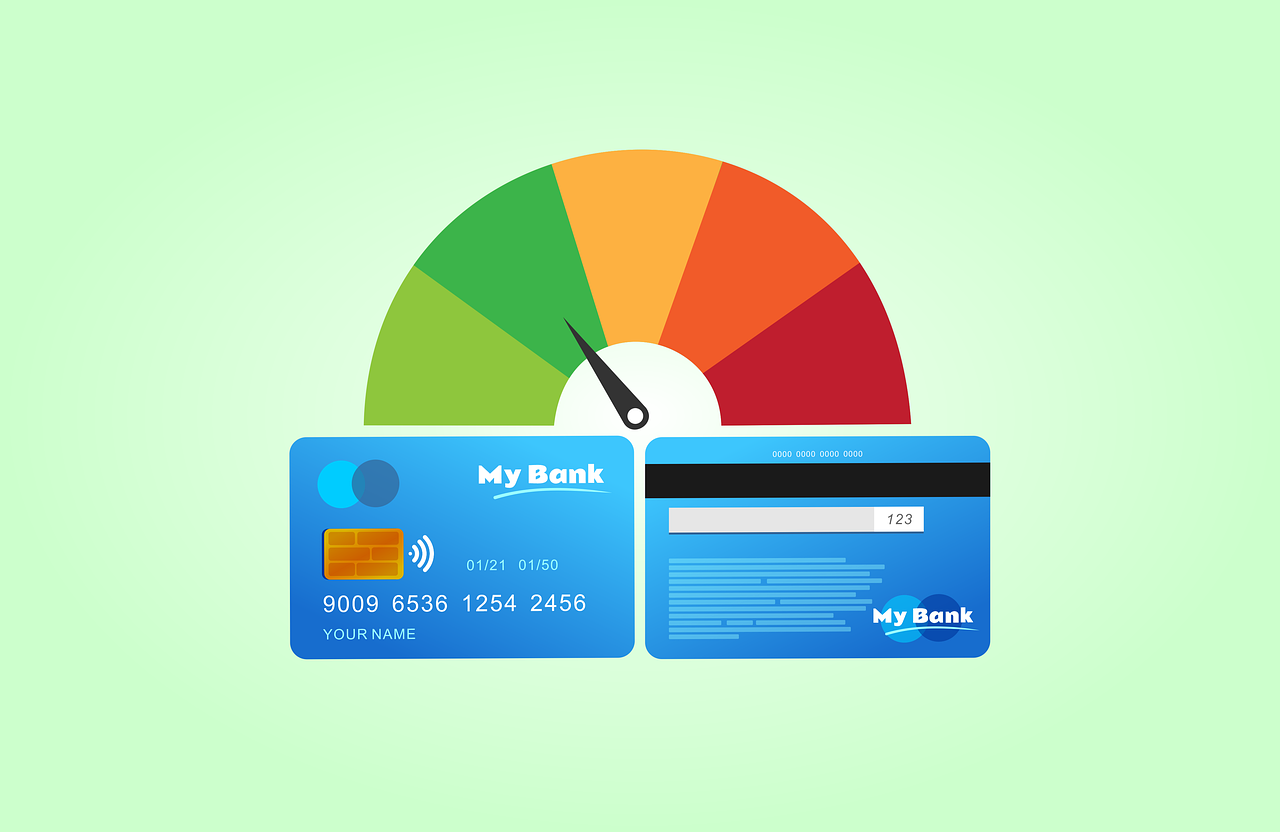

Regulations on Credit Rating Disclosure and Reporting Requirements
The regulatory landscape surrounding credit rating agencies (CRAs) has evolved significantly in recent years. With increased scrutiny from legislators and the public, transparency has become paramount. Credit rating agencies are now required to disclose their methodologies, criteria, and processes for assigning ratings. This ensures that stakeholders, including investors and institutions, have access to the necessary information to make informed decisions. The implementation of these regulations aims to foster greater accountability in the credit rating process. Stakeholders need to understand how ratings are derived and what assumptions underpin them. Furthermore, these regulations stipulate regular reporting requirements that compel CRAs to provide timely updates regarding any changes in credit ratings. Such measures are critical for maintaining investor confidence and market integrity. Additionally, CRAs must manage conflicts of interest and ensure that their ratings are free from external influence. This commitment to transparency can ultimately enhance the overall credibility of credit ratings, allowing investors to calibrate their risk assessments more effectively. As the market continues to evolve, the importance of stringent regulations cannot be understated, as they contribute to the long-term stability of the financial system.
Since the global financial crisis, regulators worldwide have taken significant steps to enhance scrutiny over credit rating agencies. One pivotal regulation is the requirement for CRAs to register with regulatory bodies and comply with specific operational standards to operate legally. Registration mandates also delineate the obligations that CRAs must fulfill, ensuring they adhere to best practices in their assessments. Moreover, CRAs are compelled to maintain a robust internal control system. This system ensures the accuracy and reliability of ratings, thereby safeguarding stakeholders’ interests. Regulatory bodies emphasize the importance of these internal controls, as they diminish the risk of inaccurate ratings due to negligence or malpractice. CRAs must also conduct ongoing performance evaluations of their ratings over time. By analyzing historical rating performance relative to actual credit events, agencies can identify areas of improvement. Reports outlining these evaluations must be publicly available, further enhancing transparency. When investors can readily access this information, they can make more informed decisions. As the financial market landscape grows increasingly complex, the role of CRAs remains critical, and thus, stringent regulations are a necessity for mitigating risks.
Enhanced Disclosure Practices
In response to calls for more robust oversight, enhanced disclosure practices have been introduced for credit rating agencies. These practices mandate that CRAs provide comprehensive disclosures about their ratings processes, including the input sources used for analysis. CRAs must also disclose potential conflicts of interest, detailing any relationships with issuers that could influence ratings. Such requirements are designed to prevent scenarios where an agency’s impartiality is compromised. For instance, disclosure of financial incentives received from issuers allows investors to scrutinize the motivations behind ratings. Regular public updates on methodology changes are also necessary, ensuring that all market participants maintain awareness of any shifts in how ratings are assigned. Furthermore, enhanced disclosure practices aim to promote a culture of accountability within CRAs. Clear communication regarding how ratings are derived and how the underlying metrics evolve over time can bolster investor confidence. By fostering greater transparency, these practices ultimately facilitate an environment where investors can perform their due diligence more effectively. This increased clarity has the potential to promote fairer pricing in the credit markets, benefiting all participants.
The regulations governing credit rating agencies of today require adherence to uniform standards of disclosure. Such requirements help mitigate the risks associated with the inconsistencies previously present in the ratings provided by different agencies. Investors faced challenges when comparing ratings from diverse sources, leading to a lack of standardization in how these ratings were interpreted. Uniform standards reduce confusion and provide clear guidelines for interpretation, ensuring that investors can assess creditworthiness comparably. Additionally, CRAs must publish the historical performance metrics of their ratings, which detail how often their ratings precisely predicted subsequent defaults or upgrades. This data not only allows investors to measure the predictive validity of ratings but also serves as a benchmark against which CRAs can be evaluated. Regulators are committed to maintaining a continuous dialogue with CRAs to address any emerging issues or trends in the landscape. The intent is to create a dynamic regulatory environment that adapts to changing market needs without compromising the standards set for transparency and accountability. These uniform standards play a pivotal role in fostering investor trust and contributing to overall financial stability.
Impact of Technology on Transparency
Technology is transforming the financial services industry, and credit rating agencies are leveraging these innovations to enhance transparency in their operations. Advanced data analytics tools enable CRAs to analyze vast datasets more efficiently, leading to improved accuracy in ratings. By utilizing innovative technologies, CRAs can respond faster to market changes and continuously refine their rating methodologies. Automation within the reporting processes also fosters a more streamlined and timely dissemination of information to stakeholders. Additionally, technology facilitates better communication between CRAs and investors, allowing for real-time updates on credit rating movements. Online platforms that aggregate rating information drive competition among CRAs, leading them to improve their services continuously. Furthermore, tech innovations promote data security practices ensuring that sensitive information remains protected while being accessible to authorized entities. Greater data-driven approaches in producing and reporting ratings enhance accountability. This comprehensive relationship between technology and transparency cultivates a more informed investor base, thereby supporting resilience in financial markets. By harnessing the power of technology, CRAs can maintain their role as reliable arbiters of credit risk, which ultimately benefits the entire economic system over time.
Another key element of the regulatory framework is the oversight of credit rating agencies by independent authorities. Regulatory agencies are not only responsible for enforcing compliance but also for conducting regular audits of CRA operations. Audits enable authorities to assess whether CRAs effectively implement their rating processes in line with established regulations. They also ensure that the internal controls identified previously are functioning properly. Furthermore, regulators actively monitor market trends and the overall performance of CRAs to identify any systemic risks they may pose. This ongoing oversight is crucial because it allows agencies to respond swiftly to any irregularities or lapses that may arise. Regulatory interventions may include issuing corrective measures, imposing fines, or even suspending operations in extreme cases. Such mechanisms discourage non-compliance and reinforce the requirement for transparency and accuracy. Ultimately, independent oversight serves as a safeguard for investors, ensuring that CRAs remain accountable for their ratings. As the financial system continues to evolve, strong governance will be essential in fostering credibility within the credit rating process.
Conclusion
In conclusion, the regulatory environment surrounding credit rating agencies has seen substantial changes designed to enhance transparency and accountability. Regulations requiring comprehensive disclosure and uniform reporting standards allow investors to make informed decisions. The historical performance metrics of ratings, coupled with robust internal controls, provide valuable insights to stakeholders regarding CRAs’ reliability. Moreover, the integration of technology has vastly improved data analysis and communication between agencies and the market. Independent oversight from regulatory authorities reinforces compliance while addressing systemic risks. Overall, the ongoing dialogue about best practices ensures that CRAs align their operations with evolving standards expected by stakeholders. Such measures not only protect investors but also contribute to the stability of financial markets in the long run. As the landscape continues to change, credit rating agencies must remain proactive in adapting their practices, embracing innovations, and adhering to regulations. With these frameworks established, the role of CRAs will continue to be vital in maintaining market confidence, forecasting risk accurately, and facilitating financial growth across sectors.
The regulation framework’s impact is profound, shaping how credit rating agencies navigate their role. Stakeholders can now understand the underlying processes and assumptions used in credit ratings, elevating the importance of adherence to ethical practices. The culmination of these regulations will empower investors, offering insights that strengthen the overall credibility of the financial landscape. Investors equipped with such tools will likely engage with other market participants more effectively. As CRAs align themselves with broader regulatory expectations, the financial community as a whole can work toward a more stable, transparent market environment in the upcoming years. Thus, thorough reckoning of credit rating norms will enhance investor confidence, leading to better economic health overall.