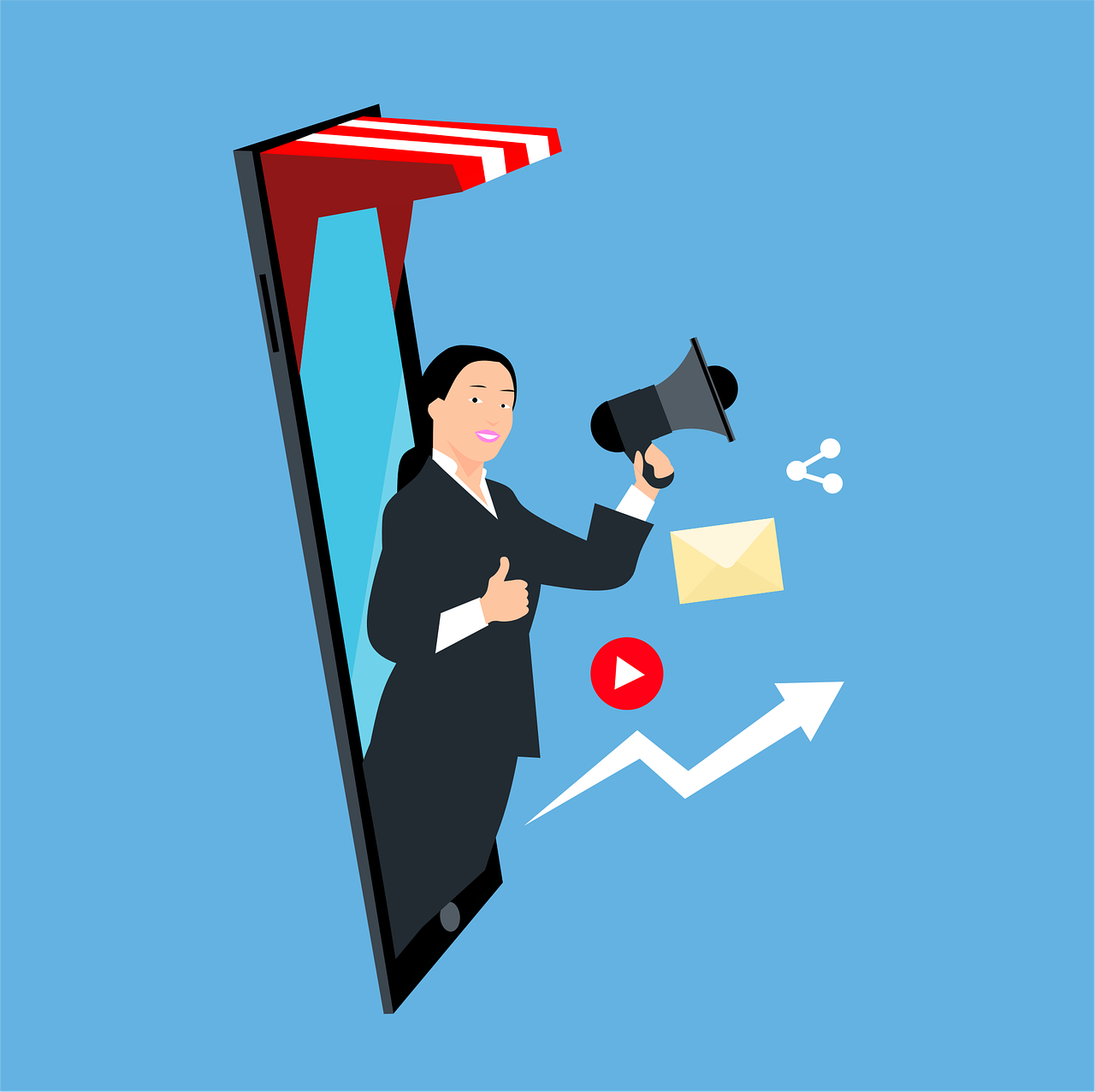

Understanding Cross-Channel Promotion
Cross-channel promotion is an essential marketing strategy aimed at driving traffic to landing pages. It involves using multiple platforms and channels to create awareness about a product or service. By integrating various channels—such as email, social media, and content marketing—marketers can enhance visibility and increase conversion rates significantly. A well-thought-out cross-channel approach helps businesses to reach a larger audience effectively. For instance, social media ads can complement email marketing campaigns. This synergy allows for repetitive exposure, which can lead to improved engagement and awareness. Moreover, understanding your target audience’s behavior helps tailor messages across different platforms. The key is to ensure consistency in messaging while adapting to the channel’s unique attributes. Constructing a coherent narrative across channels not only captivates potential customers but also builds trust in your brand. A consistent promotion increases the likelihood of visitors landing on your pages, thereby increasing the conversion rates. The effective use of analytics can track user engagement across these channels, which helps refine future marketing strategies. In conclusion, cross-channel promotion is crucial for driving optimal traffic to your landing pages.
Setting Objectives for Your Campaign
Before diving into the execution of a cross-channel promotion campaign, it’s fundamental to establish clear objectives. Knowing what you want to achieve provides direction and helps measure success effectively. Common goals may include increasing website traffic, generating leads, or boosting brand awareness. Setting SMART objectives—Specific, Measurable, Achievable, Relevant, and Time-bound—ensures your goals are reachable and tangible. For website traffic, a goal could be to increase visitors by 30% in three months through strategic ad placements across various platforms. Similarly, you could aim to collect a specific number of email sign-ups within a set time frame. This clarity will guide your campaign development, helping you decide which channels to prioritize based on target audience behavior. It is also beneficial to have KPIs that align with your objectives so that measuring success becomes straightforward. Evaluating performance allows for real-time adjustments and evaluates which channels yield the best results. Additionally, sharing these objectives with your team encourages alignment and fosters collective effort toward achieving the defined goals.
Utilizing Social Media for Engagement
Social media serves as a powerful channel for cross-channel promotion strategies aimed at driving landing page traffic. Platforms such as Facebook, Twitter, Instagram, and LinkedIn allow brands to share engaging content while reaching a broad audience. Marketers should craft platform-specific content tailored for each channel’s unique demographics and usage patterns. Incorporating visual elements like images or videos enhances engagement, encouraging shares and interactions from users. Be sure to include strong calls-to-action (CTAs) within your posts, prompting potential visitors to head to your landing page. Running targeted ads on social media platforms can also streamline audience segmentation, ensuring promotions reach the right people. Additionally, leveraging user-generated content or testimonials can boost credibility and encourage further engagement, leading visitors to click through to your site. Consistently posting updates and promotional information keeps your audience engaged and makes landing pages more appealing. Analyzing social media metrics helps determine which types of content perform best, assisting in optimizing future campaigns. This practice enables continuous refinement of both messaging and strategies, ultimately driving more traffic to landing pages.
Exploring Email Marketing to Build Interest
Email marketing is another vital component of a successful cross-channel promotion strategy. It provides a direct line of communication with your audience, allowing for personalized interactions that significantly increase engagement. To optimize email campaigns, ensure that the content appears value-driven, focusing on what subscribers find interesting. Segment your email list based on user behavior and preferences, tailoring your messages accordingly to enhance the likelihood of conversions. Including engaging visuals and clear CTAs within emails can guide recipients straight to your landing pages. Additionally, implementing A/B testing for subject lines and content can help refine your approach, determining which elements resonate the most with your audience. Sending targeted follow-ups based on user interaction can also boost conversions. For example, if a user clicked a link but did not complete a purchase, a reminder email could encourage them to finalize the action. It’s also beneficial to analyze email performance metrics like open rates and click-through rates to adjust future strategies. When utilized effectively, email marketing has the potential to significantly drive targeted traffic to landing pages.
Content Marketing’s Role in Promotion
Content marketing plays a crucial role in cross-channel promotion by drawing in potential customers through valuable and informative content. By creating high-quality blog posts, infographics, or videos, brands can establish authority in their niche. This fosters trust and encourages readers to visit landing pages for further information or conversion opportunities. It’s vital to integrate SEO best practices within your content, ensuring it ranks well on search engines and attracts more organic traffic. Incorporating relevant keywords naturally into your content allows search engines to associate it with user queries. Additionally, including links to landing pages within the content creates smooth pathways for readers to follow. Collaborating with influencers or guest bloggers can also enhance content reach, tapping into new audiences. To maximize impact, promote your content across social media platforms and through email newsletters, encouraging a seamless movement between channels. Monitor performance analytics to identify what type of content works best and drives traffic effectively. Craft a diverse range of content types to engage different segments of your audience, creating a comprehensive marketing ecosystem that promotes landing pages.
Leveraging SEO for Increased Visibility
Search Engine Optimization (SEO) is essential for maximizing visibility and driving organic traffic to your landing pages. Implementing keyword research ensures that your content resonates with what potential visitors are searching for. Target both short-tail and long-tail keywords relevant to your niche, allowing for broader and more specific reach. Optimize your landing pages by ensuring fast load times, clear navigation, and mobile compatibility, significantly influencing bounce rates and conversion rates. Additionally, utilize compelling meta titles and descriptions to enhance click-through rates from search engine results. Using structured data and local SEO techniques can help improve your ranking within local searches. Creating backlinks by collaborating with reputable websites lends credibility to your landing pages, further boosting their visibility. Regularly reviewing and updating your content enhances SEO relevance, ensuring that search engines see your website as a credible resource. Utilize analytics tools to track the performance and search ranking of your landing pages, providing insights for further optimization. With effective SEO strategies in place, you increase the chances of higher organic traffic directed toward your landing pages.
Integrating Online and Offline Activities
Lastly, integrating online and offline promotional activities creates a robust strategy that maximizes traffic to your landing pages. Utilize traditional marketing tactics, such as print ads, events, or sponsorships, while driving audiences to your digital content. For example, including QR codes in printed materials can lead potential customers to landing pages quickly and efficiently. Hosting events or webinars provides an excellent opportunity for face-to-face engagement while promoting digital platforms. Ensure that both your online and offline messaging aligns for a unified brand experience. Promoting landing pages during offline events allows for immediate follow-up through emails or social media. It’s also important to create visually appealing material that provides clear information about how to access your digital resources. Gathering feedback from both online and offline promotions can help refine your approach for future campaigns. Connecting these channels not only diversifies traffic sources but also enhances the effectiveness of your promotional efforts. By leveraging synergistic strategies, businesses can experience heightened customer engagement and increased landing page visits.
Conclusion: Evaluating Your Strategy
In conclusion, assessing the effectiveness of cross-channel promotion strategies involves collecting data and analyzing performance metrics. Establishing clear metrics aligned with objectives allows for accurate evaluation of each channel’s contribution to traffic generation. Use analytics tools to monitor users’ interactions and engagement across different platforms, providing valuable insights into what works best. Regularly review and optimize strategies based on collected data, adjusting tactics that do not yield the desired results. Consider conducting A/B tests to experiment with different promotional approaches, enabling you to identify the most effective methods. Furthermore, learn from customer feedback and behavioral patterns to refine ongoing campaigns, enhancing their effectiveness. Ensuring a cohesive brand narrative across channels helps maintain customer trust and encourages conversions. Continuous evaluation fosters an adaptive marketing mentality, crucial for staying current with market trends and user preferences. Ultimately, a well-rounded cross-channel promotion strategy can significantly drive traffic to landing pages, resulting in improved overall performance for the business. The integration of various platforms effectively amplifies brand visibility, which is key to delivering successful product launches and achieving long-term goals.