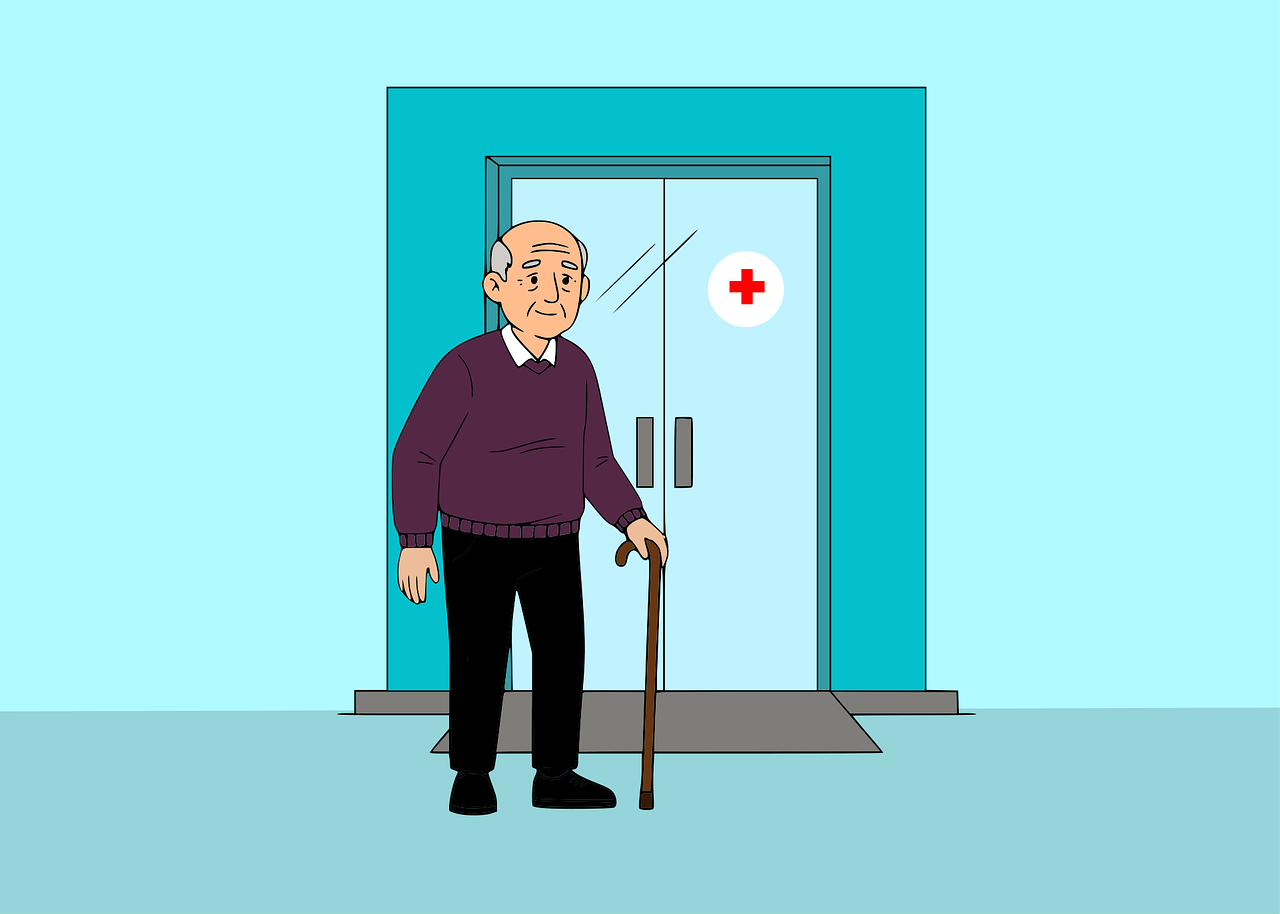

Trends in Retirement Healthcare: What to Expect in the Next Decade
As we look forward to the next decade, healthcare planning for retirees is undergoing significant changes. One prominent trend is the increasing integration of technology in healthcare services, fundamentally altering how medical care is delivered. Remote health monitoring, telemedicine, and personalized health apps are becoming common among older adults. This technological shift ensures that seniors can access healthcare professionals without the need for lengthy hospital visits, thus enhancing their independence. Moreover, advancements in health technology can significantly improve health outcomes by enabling timely interventions, personalized care, and better management of chronic illnesses. Alongside these tech innovations, we are witnessing a growing emphasis on preventive care. Among the strategies are wellness programs aimed at encouraging healthier lifestyles among retirees and enhancing their quality of life. Many health plans are beginning to cover preventive measures, recognizing that by promoting health over sickness, costs may be ultimately reduced. Seniors can participate in exercise classes, nutrition counseling, and social activities, contributing to their overall well-being in retirement. Such proactive approaches represent a transformative shift in retirement healthcare, aiming for holistic wellness rather than just disease management.
The Impact of Aging Population on Healthcare
Another significant trend shaping the future of retirement healthcare is the increasing aging population, which presents unique challenges and opportunities for healthcare systems. As the demographic landscape shifts, we can expect a rise in age-related healthcare services. Increased demand will necessitate modifications to existing healthcare models to provide appropriate care for age-related conditions like dementia, arthritis, and diabetes. More healthcare facilities are anticipated to offer specialized geriatric services and programs tailored for older adults. Affordable access to care is paramount, and initiatives aimed at reducing costs for retirees will be crucial in this evolving landscape. Policymakers will likely focus on healthcare reforms to ensure that retirees receive comprehensive coverage without facing financial hardship. Additionally, community-based programs are likely to flourish, allowing seniors to receive healthcare in environments that feel more comfortable and less clinical. These adjustments will not only alleviate stress on healthcare facilities but also guarantee access to crucial services for aging individuals. The integration of social support with clinical care is vital to address not just the physical health of elderly patients but also their mental and emotional well-being as they age.
In the realm of mental health, there is an increasing recognition of its significance in retirement planning. The next decade will likely see a heightened focus on mental health resources for retirees, as awareness grows regarding the impact of social isolation and mental health issues among older adults. Various initiatives will aim to bridge this gap, ensuring that retirees can access counseling, support groups, and mental health services tailored to their specific needs. Innovative solutions such as online therapy platforms and peer support networks will grow in popularity, making mental health resources more accessible to seniors. Furthermore, health plans may begin to incorporate mental wellness programs into their offerings, recognizing that mental health is an integral part of overall health. These programs can foster connections among older adults, reducing feelings of loneliness. Emphasizing mental health through engaging activities and community events will become essential in supporting retirees’ emotional well-being. As the importance of mental health is acknowledged, comprehensive retirement healthcare planning will encompass both physical and mental health considerations, paving the way for a healthier, more fulfilling retirement experience.
Personalized Nutrition and Wellness Plans
As more retirees acknowledge the connection between diet and overall health, personalized nutrition will become a fundamental aspect of retirement healthcare. The rise of personalized health programs that adapt to individual dietary needs and preferences will thrive. In the next decade, food-based therapies and nutrition plans tailored specifically for age-related health issues will emerge, emphasizing healthy eating as a proactive healthcare choice. Nutritionists will collaborate with healthcare providers to develop plans that focus not only on disease prevention but also on enhancing vitality and quality of life. This approach presents opportunities for innovative integrations with local services, enabling retirees to access fresh, nutritious food readily. Moreover, there will likely be more emphasis on creating community gardens in retirement living spaces, allowing seniors to engage in gardening activities while cultivating their fruits and vegetables. Availability of personalized meal delivery services will also rise, catering to the unique dietary restrictions of seniors, ensuring they have easy access to nutritious meals that meet their health needs. Consequently, nurturing a balanced diet will be seen as an essential component of a comprehensive retirement healthcare strategy for promoting longevity and well-being.
In addition to nutrition, integrative healthcare approaches will gain traction in retirement planning, focusing on combining traditional medicine with alternative therapies. Retirees will have access to a holistic range of treatment options that encompass physical, mental, and spiritual well-being. In the coming years, we can expect an increase in offerings such as acupuncture, yoga, and mindfulness programs specifically designed for older adults. These practices not only improve physical health but also enhance mental clarity and emotional balance. Such options will empower retirees to take charge of their health, reducing reliance on conventional medications and hospital visits. As the healthcare landscape gradually embraces these integrative practices, insurance plans may expand coverage to include alternative treatments, recognizing their role in promoting longevity and quality of life. Furthermore, greater collaboration between healthcare providers and alternative wellness practitioners will ensure that retirees receive well-rounded care. The emergence of wellness retreats and programs dedicated to fostering a better understanding of holistic health will support retirees on their journey toward achieving optimal health and fulfillment, paving the way for a comprehensive and enriching retirement experience.
Importance of Social Connections
An essential element of healthcare planning in retirement will be the emphasis on maintaining social connections, which play a pivotal role in physical and emotional health. Research consistently shows that older adults with robust social networks tend to enjoy better health outcomes and enhanced longevity. Over the next decade, more programs will be implemented to encourage social interaction among retirees, helping combat the growing issue of loneliness and isolation. Such initiatives may include community events, social clubs, and group fitness classes specifically designed for seniors to engage with one another and improve their overall well-being. Moreover, the rise of online social platforms tailored to older adults will facilitate virtual connections and interactions for those unable to participate physically. Additionally, healthcare providers will recognize the importance of social activities as part of their care plans, referring retirees to local resources that foster social engagement. Consequently, the integration of social wellness with healthcare will become a more prominent focus, demonstrating the necessity of inclusion and connection for successful aging in place. Equipping seniors with tools to maintain relationships will significantly enhance their quality of life and well-being.
Finally, as technology continues to advance, the future of retirement healthcare will benefit from innovations that improve accessibility and convenience. Innovations like artificial intelligence and big data will enable more efficient healthcare delivery systems designed to adapt to the evolving needs of retirees. Personal health records will become more digitized, allowing seniors to manage their healthcare data effortlessly and improve communication between providers. Healthcare providers will leverage technology to predict trends, ensuring proactive measures are taken before issues arise. Moreover, the growth of smart home technologies will revolutionize independent living for older adults, ensuring they remain safe and connected within their homes. Tools for monitoring health, such as remote devices, will be invaluable in providing real-time feedback on vital signs and overall health status. These advancements promote timely interventions that significantly enhance overall healthcare experiences for retirees. Additionally, emerging technology partnerships between healthcare providers and insurance companies may also emerge as crucial avenues for driving down costs while improving patient outcomes. The landscape of retirement healthcare will continue evolving, ultimately benefiting retirees as they navigate their golden years with support and purpose.
Conclusion on Future of Retirement Healthcare
In summary, the next decade promises exciting developments in retirement healthcare planning, driven by technology and social-conscious initiatives. With a focus on preventive care, personalized approaches, and an emphasis on mental and social wellness, retirees will likely enjoy improved health outcomes and a higher quality of life. As the aging population demands innovative healthcare solutions, the shift towards more integrated, holistic care will become more evident. Stakeholders across healthcare sectors will need to collaborate and adapt to ensure that retirement healthcare services remain accessible and beneficial for all aging individuals. Engaging seniors through community-based programs and promoting social connections will play an essential role in combating loneliness and fostering a sense of belonging. By embracing advancements in technology and personalized care, retirement healthcare will transition to a model prioritizing proactive health management over reactive treatments. With these trends shaping the future, the foundation for a supportive retirement healthcare environment will be built, ensuring seniors can thrive as they age. Indeed, the retirement landscape is evolving, spurring improvements that may redefine the experience of aging, promoting not only longevity but also a joyful and fulfilling retirement journey.