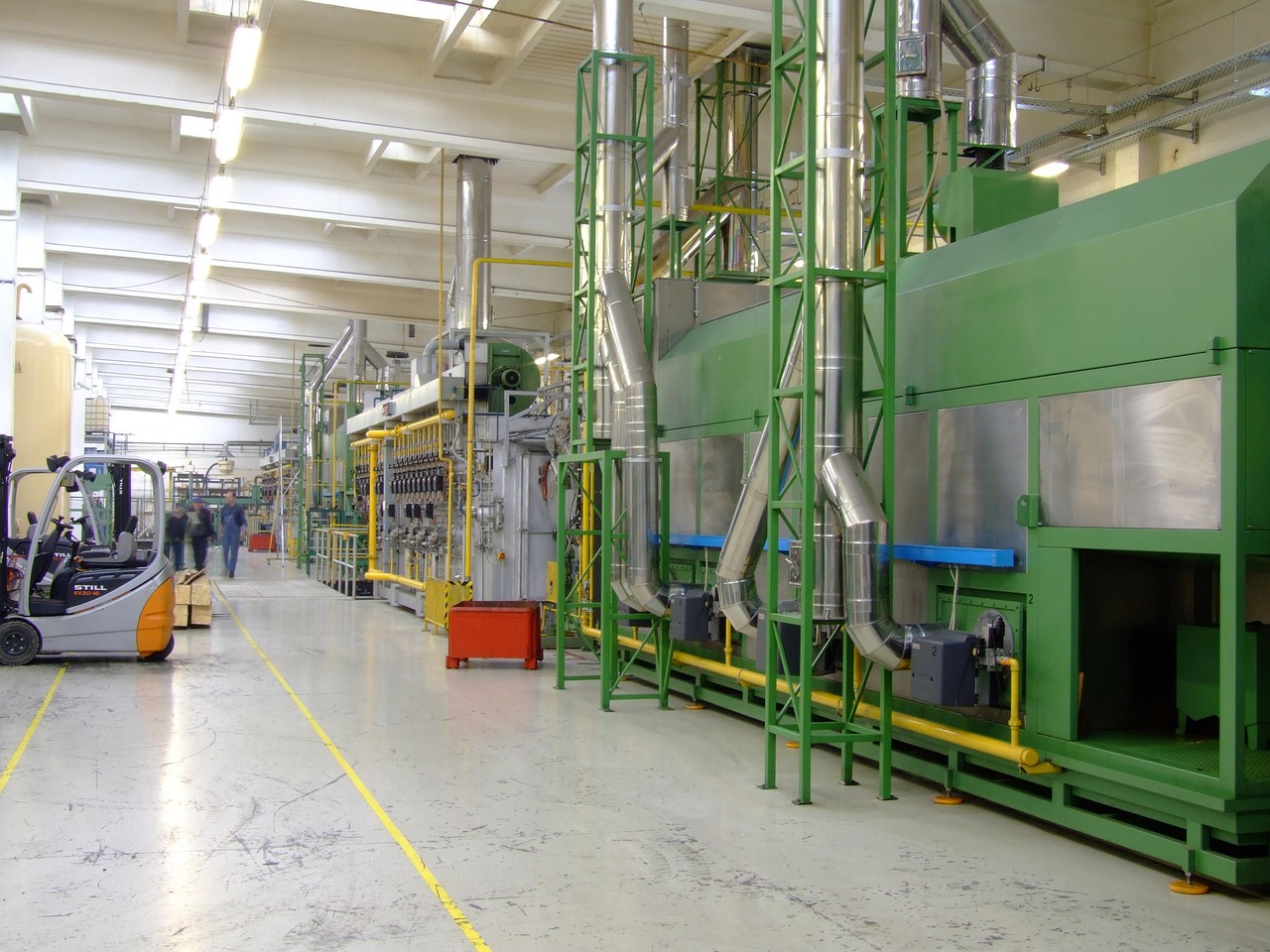

Industrial Production Trends: Insights for Financial Analysts
Industrial production is a crucial economic indicator that reflects the output of the industrial sector within an economy. It encompasses various industries, including manufacturing, mining, and utilities, allowing analysts to gauge overall economic health. Understanding trends in industrial production can offer valuable insights for financial analysts in making informed investment decisions. These analysts examine data over time to identify patterns, peaks, and troughs in production levels. Examining these trends helps in forecasting future economic activity. Analysts usually employ various tools and methods to analyze industrial production data, evaluating seasonally adjusted figures, index numbers, and year-over-year comparisons. Over the years, fluctuations in industrial production have been largely influenced by factors such as technological advancements, changes in consumer demand, and macroeconomic policies. Such factors can lead to significant shifts in production levels. Furthermore, analyzing regional production variations can also provide insights into local economic conditions. Analysts assess how different regions respond to economic changes and market demands while identifying regions that might outperform or underperform the national trends. Utilizing these insights effectively gives financial analysts an edge in the competitive landscape of investments.
Key indicators often utilized by financial analysts include capacity utilization, which indicates how fully manufacturers are using their existing resources. High rates of capacity utilization generally suggest rising demand, while low rates may indicate economic weakness. Moreover, the industrial production index (IPI) serves as a significant tool, illustrating changes in output levels across sectors. By focusing on this index, analysts can gain a comprehensive view of the manufacturing sector’s performance over time. Another valuable measure is the Purchasing Managers’ Index (PMI), which provides insights into manufacturing trends and potential future performance. The PMI addresses key components such as new orders, inventory levels, and employment conditions. These insights are crucial for determining the overall health of the economy. Additionally, financial analysts examine global economic trends as industrial production is influenced by international demand and trade relationships. Factors like globalization and supply chain dynamics can significantly impact local industrial production levels, especially in interconnected economies. Keeping an eye on international developments helps analysts predict potential risks and rewards related to domestic industries in an increasingly globalized marketplace.
Impact of Economic Policies on Industrial Production
Economic policies enacted by governments can significantly influence industrial production trends. For financial analysts, understanding the implications of fiscal and monetary policies is essential for accurately forecasting industrial production levels. When governments allocate funds towards infrastructure projects, this can drive demand for industrial products and services, leading to increased production. Additionally, changes in interest rates can affect borrowing costs, thereby influencing capital investment in manufacturing facilities. Lower interest rates tend to stimulate production as businesses can finance operations more easily. Conversely, rising rates can deter investment and adversely affect production output. Trade policies also play a pivotal role; tariffs and trade restrictions can hinder the flow of goods and resources, thereby impacting production levels. Furthermore, regional economic conditions impact industrial production; for example, economic booms can lead to expansions in manufacturing capabilities, while recessions might drive contraction and layoffs. Analysts continuously monitor these policies’ effects on industries to make informed predictions about production trends, helping investors position themselves strategically in the market to capitalize on emerging opportunities. An awareness of these relationships underscores the intricate interplay between government policies and industrial output.
Technological advancements have had profound effects on industrial production trends, reshaping how industries operate. Automation, artificial intelligence, and other technologies have revolutionized manufacturing processes, increasing efficiency and productivity. Financial analysts recognize that companies investing in new technologies often gain a competitive advantage through cost reductions and enhanced output capabilities. However, these advancements may also lead to workforce adjustments, necessitating analysts to consider the broader socio-economic implications of such transitions. As firms adopt automation technology, the impact on labor demand and skill requirements cannot be ignored. For instance, low-skilled jobs might decline, whereas high-skilled positions may become more critical. Consequently, analysts need to evaluate the resulting shifts in the labor market when interpreting industrial production data. Moreover, investment in technology can lead to increased capital expenditure initially, followed by enhanced production efficiency and profitability. This transformation necessitates a fresh perspective for financial analysts, who must be adept at forecasting the future landscape of production while accounting for both technological disruptions and workforce implications. Engaging with industry leaders and examining case studies can offer practical insights into navigating these changes and predicting future trends in industrial production.
Global Influences on Industrial Production
Global events significantly affect industrial production levels and trends, as economies are increasingly interconnected. Financial analysts closely follow international market developments, geopolitical tensions, and events like natural disasters, as they can create ripple effects through supply chains. For instance, disruptions from a major earthquake can halt production in affected areas, while global supply shortages in raw materials can contribute to decreased industrial output. Analysts must carefully analyze these external factors to gauge their potential impacts on domestic industries. Moreover, global competition is an important consideration; local firms face pressures from international competitors which can influence pricing strategies and production decisions. As countries engage in trade agreements or negotiations, shifts in trade dynamics can present both challenges and opportunities for the industrial sectors. Keeping abreast of global influences helps financial analysts adjust their projections for domestic production levels based on changing external conditions. By understanding the interplay between global events and local production, analysts can create more reliable forecasts, supporting their clients in making informed investment choices that align with evolving global market trends.
Sector-specific trends provide deeper insights into industrial production that can be crucial for financial analysts. Different industries often experience varying growth rates driven by technology, regulation, or shifts in consumer preferences. By analyzing sector-specific production indices, analysts can discern which segments of the economy are thriving and which are lagging. Sectors such as technology, green energy, or pharmaceuticals can often show robust growth compared to traditional manufacturing, indicating areas for potential investment. Conversely, industries such as coal or textiles may face challenges due to declining demand or regulatory pressures. Therefore, sector analysis offers a dual approach for investors looking to capitalize on trends while understanding associated risks. For example, analysts often identify outperforming sectors as strategic investment opportunities, particularly in innovation-driven fields. Moreover, assessing how companies within a sector respond to macroeconomic changes can provide insights into their potential resilience or vulnerability during economic fluctuations. This knowledge equips financial analysts to make recommendations based on thorough sector-based analyses that align with broader industrial production trends, providing a more comprehensive understanding of the current economic landscape.
Conclusion: Future Outlook for Industrial Production
The outlook for industrial production remains dynamic, influenced by a myriad of internal and external factors. Financial analysts must remain vigilant in monitoring these trends to develop accurate forecasts and investment strategies. Economic recovery patterns post-pandemic have reshaped production dynamics, creating both challenges and opportunities across sectors. Understanding how companies adapt to new market demands will be essential for predicting future production levels. Additionally, sustainability has become a key driver in the industrial sector, with firms increasingly investing in clean technologies and sustainable practices. Analysts must consider regulatory environments and consumer sentiment towards environmental responsibility when evaluating industrial performance. Furthermore, technological innovation continues to accelerate, transforming production processes and potential capacities across industries. Predicting how these developments will play out in the long term is crucial for effective strategic planning. As financial analysts navigate these complexities, staying informed and adaptable to rapid changes in economic indicators related to industrial production is vital for success. A sound grasp of these relationships empowers analysts to provide clients with actionable insights and strategic recommendations tailored to optimize investments amidst evolving industrial landscapes.
In summary, industrial production serves as a barometer of economic strength, reflecting growth, trends, and challenges within various sectors. Through careful monitoring and analysis of production data, financial analysts can interpret the underlying factors driving these changes. Keeping abreast of economic policies, technological advancements, and global influences enables a comprehensive understanding of industrial dynamics. By evaluating sector-specific trends, analysts gain insights into potential investment opportunities while accounting for associated risks. Finally, embracing a forward-looking approach allows for an informed perspective on the outlook for industrial production, empowering financial analysts to guide investment decisions strategically. Whether adjusting strategies based on real-time data or anticipating future trends, effective analysis of industrial production remains paramount in navigating the complex landscape of the financial markets.